
Introduction
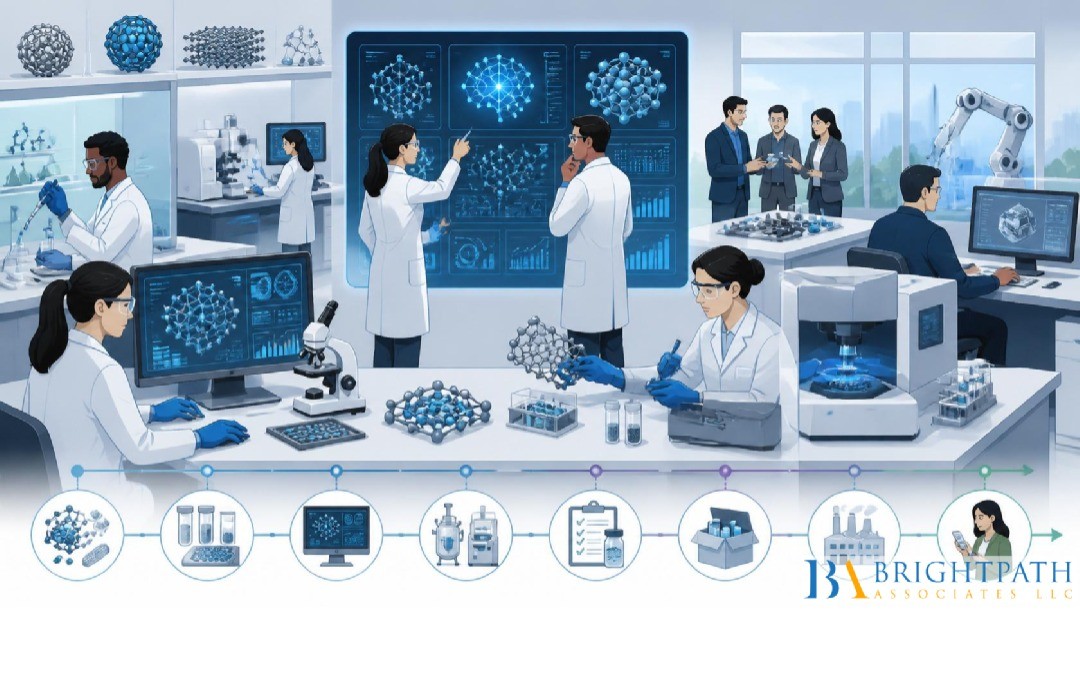
The evolution of #NanotechnologyIndustry has been nothing short of revolutionary, with its potential to radically transform industries ranging from healthcare to electronics. However, the journey from lab innovation to market-ready products is often fraught with challenges. Reducing development cycles in this context is crucial for maintaining a competitive edge and ensuring that groundbreaking technologies swiftly benefit society. This article explores various strategies to optimize lab-to-market workflows in the nanotechnology sector, emphasizing key aspects like innovation, market trends, machine learning, data analytics, and sustainability.
The Essence of Nanotechnology Innovation
Nanotechnology innovation is at the heart of technological advancement. It involves manipulating matter at the atomic and molecular levels to create materials with remarkable properties. However, the path from a groundbreaking discovery in the lab to a commercially viable product is complex. It requires a seamless integration of scientific research, industrial application, and market analysis.
To accelerate the transition from laboratory research to market delivery, researchers and developers must prioritize collaboration. By fostering partnerships across academia, industry, and government agencies, stakeholders can pool resources, share insights, and streamline processes. This collaborative approach not only reduces development time but also enhances the quality and applicability of nanotechnology innovations.
Understanding the Nanotechnology Market
The #NanotechnologyMarket is rapidly expanding, driven by the growing demand for innovative solutions across various sectors. As industry players strive to keep pace with market dynamics, understanding consumer needs and emerging trends becomes imperative.
Market analysis plays a vital role in identifying opportunities and challenges. By leveraging insights from market research, companies can fine-tune their strategies and prioritize projects that promise the highest returns. This market-driven approach not only reduces the risk of failure but also ensures that products meet consumer expectations.
Moreover, the competitive nature of the nanotechnology market necessitates agility. Companies must be prepared to adapt quickly to shifting demands and technological advancements. This adaptability is facilitated by continuous learning and development, allowing organizations to evolve alongside the market.
Harnessing Nanotechnology Machine Learning and Data Analytics
Machine learning and data analytics are powerful tools that can significantly enhance the efficiency of nanotechnology development cycles. By utilizing predictive models and algorithms, researchers can gain valuable insights into material behavior, process optimization, and product performance.
Machine learning algorithms can process vast amounts of data, identifying patterns and correlations that might be invisible to the human eye. This capability is particularly beneficial in the design and testing phases, where precise predictions can reduce the need for costly and time-consuming experiments.
Data analytics, on the other hand, enables more informed decision-making. By analyzing historical data and real-time information, companies can optimize their supply chains, enhance quality control, and improve customer satisfaction. In the context of nanotechnology, data-driven insights are invaluable for refining product designs and ensuring regulatory compliance.
The Role of Nanotechnology Simulation and Modeling
Simulation and modeling are indispensable tools in the development of #NanotechnologyProducts. They allow researchers to visualize complex processes, test hypotheses, and predict outcomes without the need for physical prototypes. This not only reduces costs but also accelerates the development timeline.
Nanotechnology simulation involves creating virtual models that mimic real-world behavior. These models can be used to explore various scenarios, identify potential issues, and optimize designs. By simulating different conditions and parameters, researchers can fine-tune their products to meet specific requirements and performance criteria.
Modeling, on the other hand, provides a framework for understanding the underlying mechanisms of nanomaterials. It helps researchers to predict how materials will behave under different conditions, facilitating the development of innovative solutions that meet industry standards. Together, simulation and modeling are essential for reducing development cycles and enhancing the precision of nanotechnology innovations.
Navigating Nanotechnology IP and Risk Assessment
Intellectual property (IP) management and risk assessment are critical components of the nanotechnology development process. Protecting IP ensures that innovators retain control over their creations, enabling them to capitalize on their inventions while safeguarding against infringement.
Effective IP management involves identifying patentable aspects of a product, securing patents, and monitoring for potential violations. This proactive approach not only protects a company’s assets but also strengthens its position in the competitive marketplace.
Risk assessment, on the other hand, involves evaluating potential hazards associated with nanotechnology products. This includes assessing environmental, health, and safety risks, as well as considering ethical and societal implications. By conducting thorough risk assessments, companies can mitigate potential issues and ensure that their products are safe and sustainable.
Emphasizing Nanotechnology Sustainability
Sustainability is a key consideration in the development of nanotechnology products. As the demand for environmentally friendly solutions grows, companies must prioritize sustainable practices in their research, development, and production processes.
Nanotechnology offers unique opportunities for enhancing sustainability. For example, nanomaterials can be used to create more efficient energy storage systems, reduce waste, and improve resource utilization. By integrating sustainable practices into their workflows, companies can not only reduce their environmental impact but also meet consumer expectations for eco-friendly products.
Moreover, sustainable nanotechnology practices can enhance a company’s reputation and appeal to environmentally conscious consumers. By demonstrating a commitment to sustainability, companies can differentiate themselves in the market and build long-term customer loyalty.
The Impact of Nanotechnology on Healthcare
The healthcare sector is one of the most promising areas for nanotechnology applications. From drug delivery systems to diagnostic tools, nanotechnology holds the potential to revolutionize medical care and improve patient outcomes.
#NanotechnologyInnovations in healthcare focus on enhancing precision, reducing side effects, and increasing the effectiveness of treatments. For instance, nanoparticles can be engineered to deliver drugs directly to targeted cells, minimizing damage to healthy tissues and improving therapeutic outcomes.
Moreover, nanotechnology-based diagnostic tools offer unprecedented accuracy and speed, enabling early detection of diseases and more effective interventions. By reducing the time between diagnosis and treatment, these innovations contribute to better patient care and reduced healthcare costs.
The Importance of Executive Search Recruitment in Nanotechnology
As the demand for skilled professionals in the nanotechnology sector grows, the importance of executive search recruitment cannot be overstated. Identifying and attracting top talent is crucial for driving innovation and maintaining a competitive edge.
#ExecutiveSearchRecruitment involves identifying candidates with the expertise, experience, and vision needed to lead nanotechnology initiatives. Recruiting the right leaders ensures that companies have the strategic direction and technical knowledge required to navigate the complexities of the industry.
Moreover, a strong leadership team can foster a culture of innovation, collaboration, and continuous improvement. By investing in executive search recruitment, companies can build a workforce that is equipped to tackle the challenges of reducing development cycles and accelerating lab-to-market transitions.
Conclusion
Optimizing lab-to-market workflows is essential for reducing nanotechnology development cycles and ensuring that innovations reach their full potential. By embracing strategies such as collaboration, market analysis, machine learning, simulation, and sustainability, companies can streamline their processes and deliver cutting-edge products to the market more efficiently.
As the nanotechnology landscape continues to evolve, staying ahead of the curve requires a proactive approach to innovation and a commitment to excellence. By leveraging the insights and strategies outlined in this article, companies can enhance their competitiveness and contribute to a brighter, more technologically advanced future.
Find your next leadership role in Nanotechnology Industry today!
Stay informed with the latest insights on Nanotechnology Industry!