
Introduction
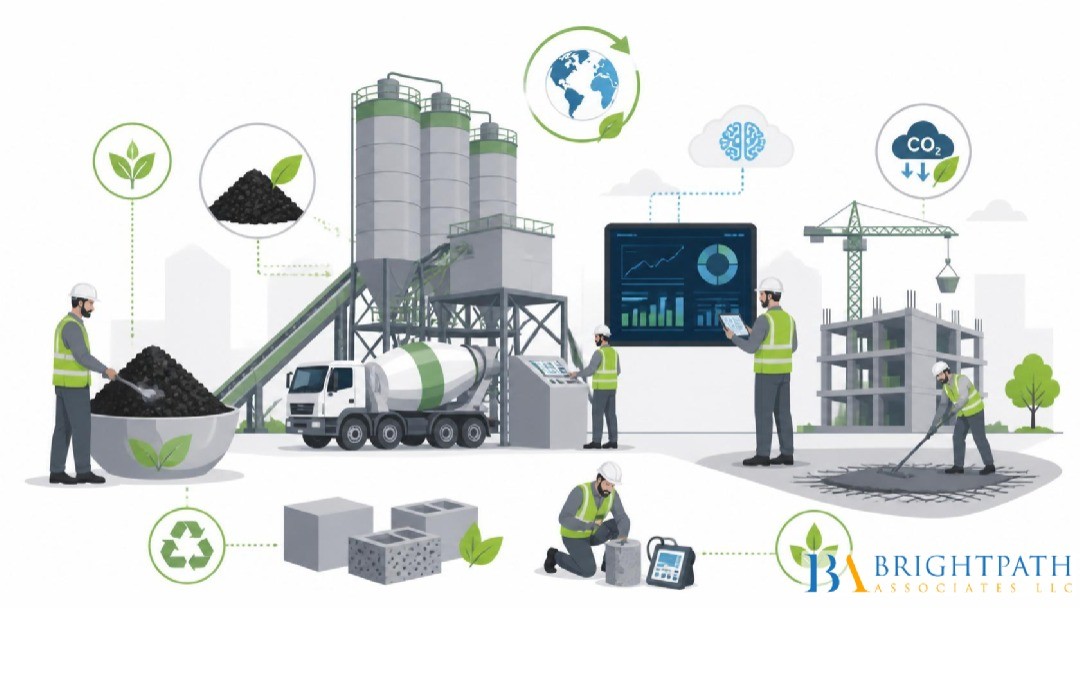
Biochar, a carbon-rich product obtained from the pyrolysis of organic material, has recently gained attention for its potential applications in #SustainableConstruction. As industries worldwide seek to minimize their environmental footprints, biochar presents a promising opportunity for concrete production. By integrating biochar, the construction industry can reduce its carbon emissions while enhancing the durability and sustainability of its materials.
Understanding Biochar and Its Properties
Biochar is derived from the thermal decomposition of biomass in an oxygen-limited environment. This process not only sequesters carbon but also results in a stable, porous material with exceptional properties. Biochar’s ability to improve soil health is well-documented, but its potential as a component of construction materials, particularly in concrete, is an emerging area of interest.
Sustainable construction is becoming a priority as building regulations tighten and environmental concerns rise. Biochar’s integration into construction materials can significantly contribute to this goal. As a natural product with a low environmental impact, biochar can be used to replace a portion of the cement in concrete mixtures, reducing the carbon footprint of the building supplies used.
Enhancing Concrete Production with Biochar
#ConcreteProduction is notorious for its high carbon emissions, primarily due to the energy-intensive process of cement manufacturing. By incorporating biochar, the carbon intensity of concrete can be significantly reduced. Biochar-enhanced concrete not only offers environmental benefits but also improves the material’s mechanical properties, such as increased compressive strength and durability, making it an ideal choice for sustainable construction projects.
The incorporation of biochar in building technology represents an innovative approach to advancing sustainable construction. As the industry evolves, integrating biochar into the construction process can lead to the development of eco-friendly building supplies. This integration supports the transition towards greener building technologies, aligning with global efforts to mitigate climate change.
Benefits for the Lumber Industry
The lumber industry, a major player in construction materials, stands to benefit from the increased use of biochar. By producing biochar from wood waste, the industry can create a valuable byproduct that supports sustainable construction practices. The use of biochar in concrete not only provides a market for lumber byproducts but also enhances the environmental profile of the industry.
The integration of biochar into construction processes has significant economic implications. It offers a cost-effective solution for reducing carbon emissions and improving the sustainability of construction materials. As demand for sustainable construction rises, incorporating biochar could lead to cost savings and increased competitiveness in the construction industry. Additionally, the development of biochar-enhanced concrete can stimulate innovation and investment in construction technology, further driving economic growth
Building regulations are increasingly focused on sustainability and energy efficiency. By integrating biochar into construction materials, builders can more easily comply with these regulations. Biochar-enhanced concrete not only meets current standards but also positions projects to exceed future requirements. This proactive approach to building regulations ensures that construction projects are not only compliant but also ahead of the curve in terms of sustainability.
The Role of Material Recycling
#MaterialRecycling is a crucial component of sustainable construction. Biochar’s role in this process is noteworthy, as it is produced from waste materials such as agricultural residues and wood waste. By incorporating recycled biochar into construction materials, the industry can reduce its reliance on virgin resources and promote a circular economy. This approach to material recycling aligns with the goals of sustainable construction and supports the broader efforts to minimize waste and resource consumption.
The integration of biochar into construction materials has the potential to create new construction jobs. As the industry adapts to new building technologies and sustainable practices, there will be a growing demand for skilled workers trained in biochar production and its application in concrete. These job opportunities not only support the industry’s transition to sustainability but also contribute to economic development and workforce diversification.
Executive Search Recruitment and Industry Evolution
As the construction industry evolves with the adoption of biochar-enhanced materials, #ExecutiveSearchRecruitment will play a vital role in identifying leaders who can drive this change. The need for visionary executives who understand the nuances of sustainable construction and building technology is paramount. These leaders will be instrumental in guiding companies through the transition, ensuring that the integration of biochar is successful and beneficial for the industry as a whole.
Conclusion
The integration of biochar into concrete production represents a significant step forward in sustainable construction. By reducing carbon emissions, enhancing material properties, and supporting the lumber industry, biochar offers a practical and impactful solution for the future of construction materials. As building regulations continue to evolve and the demand for sustainable building supplies increases, biochar will play a crucial role in shaping the future of construction technology. Embracing this innovation not only aligns with environmental goals but also positions the construction industry for long-term success and sustainability.
Find your next leadership role in Building Materials Industry today!
Stay informed with the latest insights on Building Materials Industry!