
Introduction
In the evolving landscape of agriculture, the integration of technology has become imperative for ensuring sustainability and profitability. Leveraging IoT (Internet of Things) in #GreenhouseClimateControl is a pioneering step towards achieving these goals. This integration not only enhances food production but also supports sustainable farming practices. By marrying agricultural innovation with digital farming, greenhouses can optimize conditions for crop growth, thereby expanding profit margins.
The Role of Agricultural Technology in Modern Farming
Agricultural technology has revolutionized how we approach food production and farm management. In the context of greenhouses, the application of IoT can significantly improve precision agriculture, allowing farmers to monitor and control environmental variables with unparalleled accuracy. This technological advancement supports sustainable agriculture investment by ensuring that resources such as water, energy, and fertilizers are used efficiently, thus minimizing waste and reducing environmental impact.
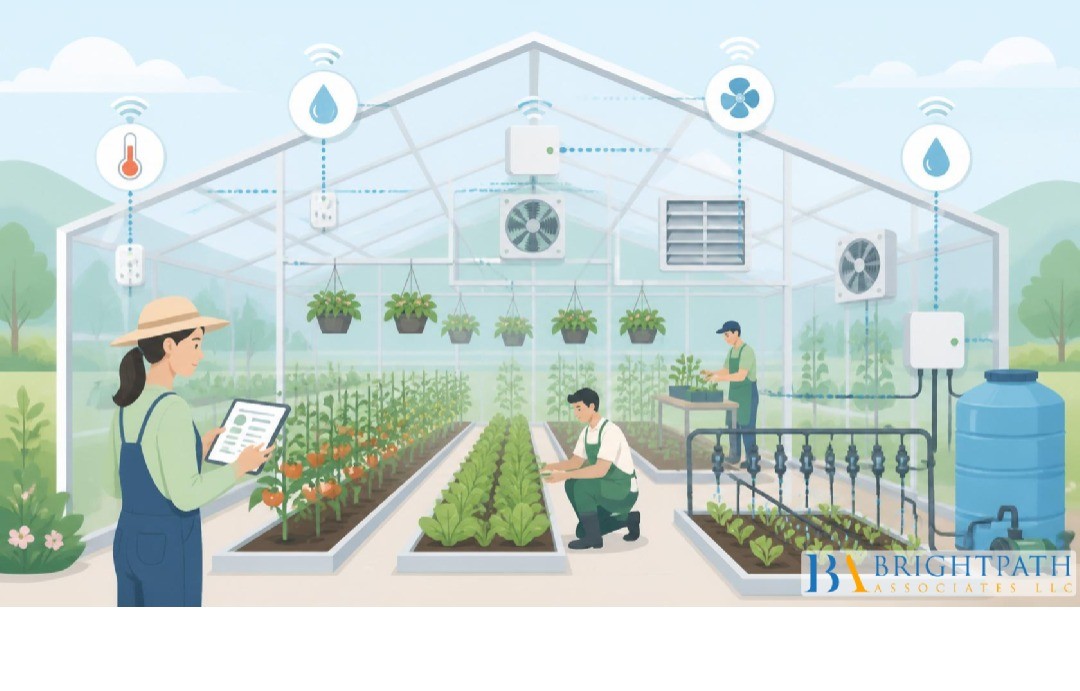
The Internet of Things refers to the network of physical devices connected to the internet, capable of collecting and exchanging data. In greenhouses, IoT devices can monitor temperature, humidity, light levels, and carbon dioxide concentrations. These devices can automate climate control systems, ensuring that plants receive optimal growing conditions without the need for constant human intervention. This level of control is crucial for sustainable farming, as it allows for more precise resource management.
Benefits of IoT Integration in Greenhouses
IoT enables precision agriculture, which optimizes the conditions required for crop growth. By using real-time data collected by sensors, farmers can make informed decisions regarding irrigation, fertilization, and pest control. This targeted approach reduces resource wastage and ensures that crops receive exactly what they need, when they need it.
By optimizing growing conditions, IoT technologies can significantly increase #FoodProduction. Consistent monitoring and adjustments prevent unfavorable conditions that could stunt growth or reduce yield. This ensures that crops are healthy and productive, contributing to greater yields and, consequently, higher profits.
One of the core benefits of integrating IoT in greenhouse management is the promotion of sustainable farming practices. By reducing resource wastage and enhancing efficiency, IoT supports agricultural sustainability. This approach aligns with the principles of organic farming, which emphasize minimal environmental impact and responsible resource use.
Challenges and Solutions in IoT Integration
Despite its advantages, integrating IoT in greenhouse climate control comes with its challenges. Initial costs can be high, and there is a need for technical expertise to manage and maintain the systems. However, these challenges can be mitigated through strategic planning and investment in farm management software and training.
The initial investment for IoT systems can be substantial. However, the long-term benefits, including increased efficiency and higher yields, can justify the cost. Additionally, sustainable agriculture investment opportunities are on the rise, offering financial support for farmers willing to adopt these technologies.
Technical challenges, such as system maintenance and data interpretation, require a skilled workforce. Agricultural innovation can be fostered by investing in training programs and partnerships with technology providers. This approach ensures that farmers are equipped with the knowledge and skills necessary to harness the full potential of IoT.
The Future of Digital Farming
The future of agriculture lies in digital farming, where the integration of advanced technologies transforms traditional practices into highly efficient, sustainable operations. IoT is a cornerstone of this transformation, providing the tools necessary for effective farm management and environmental stewardship.
Farm management software plays a crucial role in digital farming. By consolidating data from various IoT devices, this software provides a comprehensive overview of greenhouse operations. It allows farmers to track performance metrics, analyze data trends, and make data-driven decisions to optimize agricultural sustainability.
As the demand for sustainable farming practices grows, there is an increasing need for #SkilledProfessionals who can lead these initiatives. #ExecutiveSearchRecruitment will play a pivotal role in identifying and hiring individuals with expertise in agricultural technology and sustainability. These leaders will be instrumental in driving the adoption of IoT and other innovative solutions in the agricultural sector.
Conclusion
Integrating IoT into greenhouse climate control is not just a trend; it is a necessity for modern agriculture. This technology enables precision agriculture, enhances food production, and supports sustainable farming practices. While challenges exist, they are outweighed by the potential for increased efficiency, profitability, and environmental stewardship. As we look to the future, the role of digital farming will only grow, driven by continued agricultural innovation and investment in sustainable agriculture practices. Through strategic planning and a commitment to embracing technology, farmers can ensure their operations remain competitive and sustainable in an ever-evolving industry.
Find your next leadership role in Farming Industry today!