
Introduction
In an era where #EnvironmentalSustainability is at the forefront of global discussions, industries face the challenge of integrating innovative solutions to mitigate their carbon footprints. The environmental industry is increasingly turning to clean technology and environmental innovations to address these concerns. One such advancement is the deployment of IoT (Internet of Things) fleet management systems, which offer promising avenues for reducing carbon emissions, enhancing operational efficiency, and supporting sustainable development goals.
Understanding IoT Fleet Management
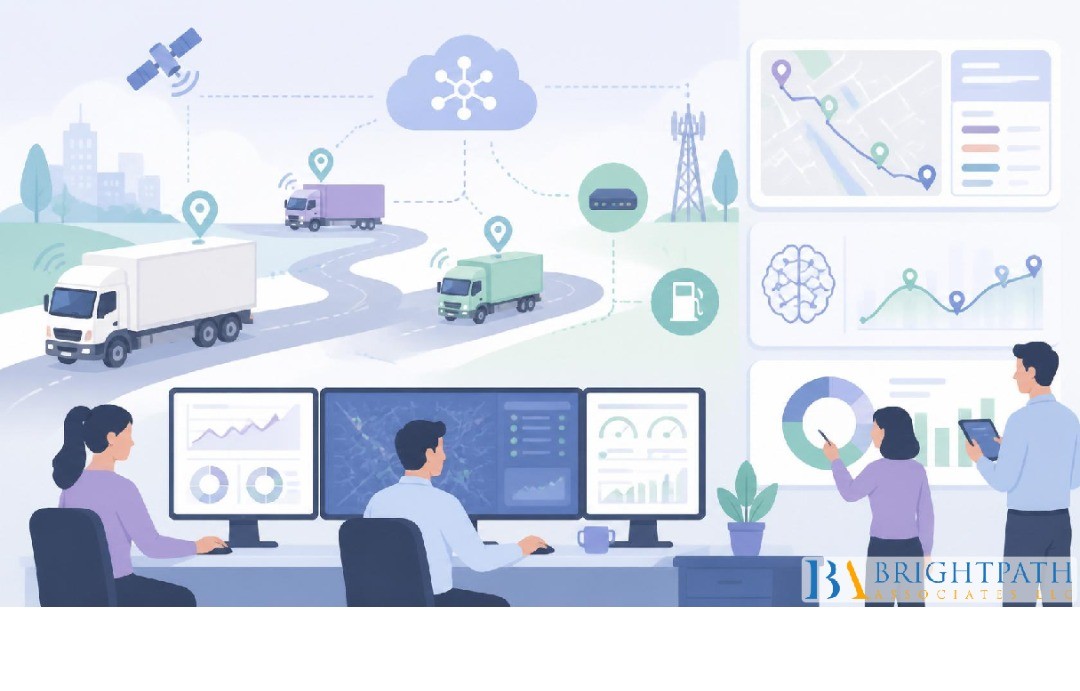
IoT fleet management refers to the use of interconnected devices and systems to monitor, manage, and optimize the operations of vehicle fleets. By leveraging real-time data from sensors, GPS units, and various onboard diagnostics, businesses can make informed decisions that improve efficiency and reduce their environmental impact. This approach aligns with the principles of environmental innovation, as it harnesses technology to drive sustainable practices in industries reliant on transportation.
The deployment of IoT fleet management systems offers several environmental benefits that contribute to reducing carbon footprints. Firstly, these systems enable businesses to monitor fuel consumption and optimize routes, thereby minimizing unnecessary mileage and reducing fuel usage. This directly translates to lower greenhouse gas emissions, aiding in air pollution control efforts and promoting environmental sustainability.
Moreover, IoT technology facilitates predictive maintenance, ensuring that vehicles are kept in optimal condition, which further enhances fuel efficiency and reduces emissions. By anticipating maintenance needs, companies can prevent breakdowns, thus avoiding the environmental costs associated with emergency repairs and vehicle downtime.
Enhancing Environmental Compliance
As governments worldwide tighten regulations on emissions and #EnvironmentalCompliance, industries are under pressure to adapt. IoT fleet management systems offer a solution by providing comprehensive data that helps businesses stay compliant with environmental standards. These systems can track emissions in real-time, allowing companies to address any discrepancies immediately and avoid potential penalties.
Furthermore, the detailed reporting capabilities of IoT systems support transparency and accountability, essential components of environmental compliance. Companies can demonstrate their commitment to environmental sustainability by sharing data with stakeholders and regulatory bodies, showcasing their efforts in reducing carbon footprints.
Data-driven decision-making is a cornerstone of environmental sustainability initiatives. IoT fleet management systems generate vast amounts of data that can be analyzed to identify patterns, trends, and areas for improvement. This data can inform strategic decisions, such as fleet electrification, which is a significant step toward reducing carbon emissions in the transportation sector.
By transitioning to electric vehicles (EVs) where feasible, companies can significantly reduce their reliance on fossil fuels, thereby diminishing their carbon footprints. The insights gained from IoT systems can guide this transition, ensuring it is both economically viable and environmentally beneficial.
The Role of Environmental Executive Search
The successful implementation of IoT fleet management systems requires skilled professionals who can navigate the complexities of technology and environmental sustainability. Environmental #ExecutiveSearchRecruitment firms play a crucial role in identifying and recruiting these experts. By connecting companies with leaders in clean technology and environmental innovation, these firms ensure that organizations have the talent needed to drive meaningful change.
Environmental executive search firms focus on finding individuals who possess a deep understanding of the environmental industry and the skills to implement IoT solutions effectively. This expertise is vital for companies looking to integrate IoT systems into their operations seamlessly, ensuring a smooth transition toward more sustainable practices.
While the benefits of IoT fleet management are clear, there are challenges that companies must navigate. One significant hurdle is the initial investment required to deploy IoT systems across a fleet. However, this investment is often offset by the long-term savings achieved through improved efficiency and reduced fuel costs.
Additionally, the integration of IoT technology necessitates robust cybersecurity measures to protect sensitive data. Companies must ensure that their systems are secure from potential breaches, which could compromise both #OperationalData and environmental compliance records.
Despite these challenges, the opportunities presented by IoT fleet management are immense. As the technology continues to evolve, it promises even greater efficiencies and environmental benefits. Companies that embrace this technology will not only reduce their carbon footprints but also position themselves as leaders in environmental sustainability.
Water Treatment and Fleet Management
Though seemingly unrelated, water treatment processes can benefit from IoT fleet management. By optimizing vehicle routes and maintenance schedules, companies engaged in water treatment can reduce emissions associated with the transportation of equipment and chemicals. This integration highlights the interconnected nature of environmental services and the potential for IoT technology to enhance overall sustainability efforts.
IoT fleet management is a prime example of green technology integration within the environmental industry. By reducing reliance on traditional fuel sources and optimizing operations, IoT systems contribute to a cleaner and more sustainable future. This integration aligns with broader environmental goals, promoting practices that protect natural resources and reduce waste.
The adoption of IoT fleet management also encourages innovation within the environmental industry. As companies strive to maximize the potential of IoT technology, they are likely to explore additional clean technology solutions, further advancing environmental sustainability.
Conclusion: The Future of Environmental Services
The deployment of IoT fleet management systems represents a significant step forward in the quest for environmental sustainability. By leveraging environmental innovation and clean technology, companies can effectively reduce their carbon footprints and contribute to a healthier planet. The role of environmental executive search in supporting this transition is critical, ensuring that organizations have the leadership necessary to succeed.
As the environmental industry continues to evolve, the integration of IoT technology will become increasingly important. Companies that embrace these advancements will not only enhance their #EnvironmentalCompliance but also reinforce their commitment to sustainability. In doing so, they will pave the way for a future where environmental services are synonymous with innovation, efficiency, and responsibility.
Find your next leadership role in Business Environmental Services Industry today!
Stay informed with the latest insights on Environmental Services Industry!