
Introduction
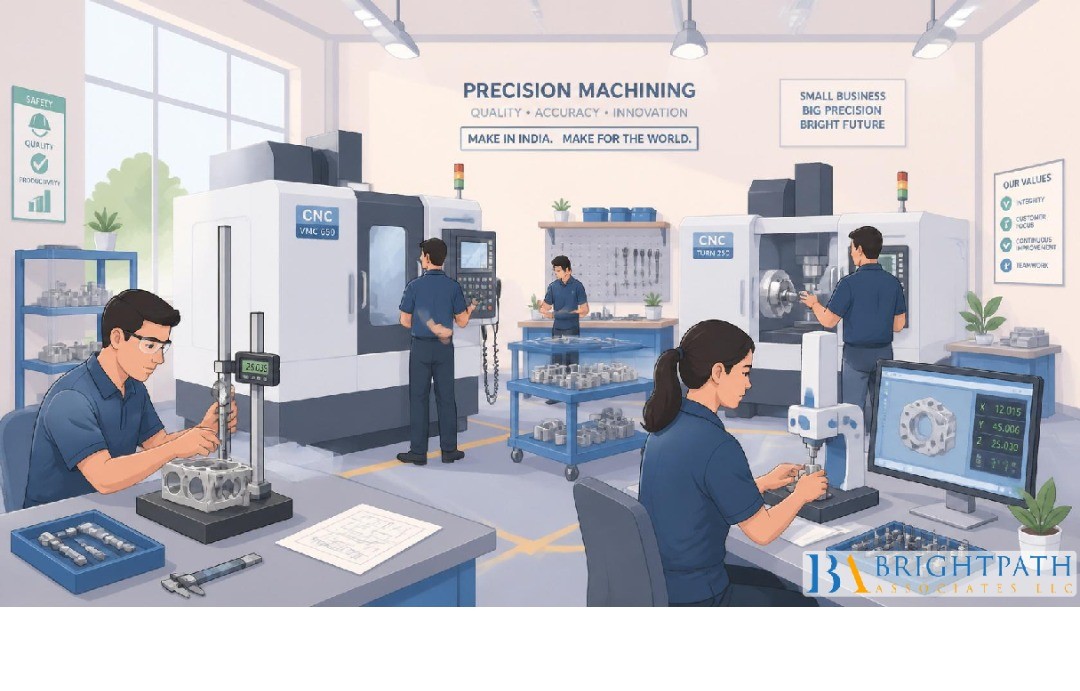
In today’s competitive manufacturing landscape, precision machining has emerged as a cornerstone for small businesses aiming to achieve unparalleled accuracy. This process, integral to the #MachineryIndustry, ensures that components are produced with exact specifications, enhancing product quality and operational efficiency. As small businesses strive to gain a foothold in the market, understanding the intricacies of precision machining becomes crucial. This article delves into the significance of precision machining, its benefits, and how small businesses can leverage it to achieve accuracy and efficiency.
The Importance of Precision Machining
Precision machining refers to the process of shaping large pieces of material into precise parts and tools. This technique is essential in producing components with tight tolerances, which are critical in industries such as aerospace, automotive, and medical devices. For small businesses, investing in precision machining can lead to significant improvements in product quality, thereby enhancing customer satisfaction and loyalty.
The role of precision machining in industrial automation solutions cannot be overstated. As the demand for automated processes grows, the need for machined components that fit seamlessly into automated systems becomes more apparent. By adopting precision machining, small businesses can ensure that their products meet the rigorous standards required for integration into automated systems, thus staying competitive in the evolving landscape of industrial machinery.
Benefits of Precision Machining for Small Businesses
Precision machining offers numerous advantages for small businesses seeking to improve their manufacturing efficiency. Firstly, it enables the production of complex parts with high levels of accuracy, reducing the likelihood of errors and rework. This not only saves time but also lowers production costs, making it an economical choice for businesses with limited resources.
Additionally, precision machining contributes to machinery maintenance and longevity. By producing parts that fit perfectly and function optimally, businesses can minimize wear and tear on their equipment, thereby extending its lifespan. This is particularly valuable for small businesses that rely on used machinery and are conscious of their machinery financing constraints.
Moreover, precision machining supports the creation of high-quality products that meet industry standards. This is crucial for small businesses aiming to establish themselves as reliable suppliers in the machinery industry. By delivering products that adhere to stringent quality requirements, businesses can enhance their reputation and attract more #ManufacturingJobs.
Precision Machining and US Machinery Manufacturers
US machinery manufacturers play a pivotal role in the precision machining landscape. They provide the advanced equipment and technology necessary for small businesses to achieve high levels of accuracy in their production processes. By partnering with reputable manufacturers, small businesses can access state-of-the-art machinery that elevates their operational capabilities.
Furthermore, collaboration with US machinery manufacturers offers small businesses an avenue for knowledge transfer and training. This is essential for equipping employees with the skills needed to operate sophisticated machinery and optimize production processes. As a result, businesses can improve their manufacturing efficiency and remain competitive in the global market.
Industrial Automation Solutions and Precision Machining
The integration of industrial automation solutions with precision machining is transforming the manufacturing landscape. Automation streamlines production processes, reduces human error, and enhances efficiency. When combined with precision machining, it allows small businesses to produce consistent and high-quality products while reducing labor costs.
#AutomationSolutions also provide real-time data and analytics, enabling businesses to monitor and optimize their production processes. This data-driven approach helps identify areas for improvement and implement changes that enhance manufacturing efficiency. By leveraging industrial automation solutions alongside precision machining, small businesses can achieve greater accuracy and productivity.
Challenges in Implementing Precision Machining
Despite its advantages, implementing precision machining can pose challenges for small businesses. The initial investment in machinery and technology can be substantial, especially for those with limited financial resources. Additionally, there is a need for skilled personnel who can operate and maintain precision equipment effectively.
For small businesses, navigating the complexities of machinery financing is crucial. Securing the necessary funds to invest in advanced precision machining equipment can be challenging, but it is essential for achieving long-term success. Exploring various financing options, including loans and leasing arrangements, can provide the financial flexibility needed to acquire the equipment and technology required for precision machining.
Moreover, small businesses must prioritize #ExecutiveSearchRecruitment to attract and retain skilled professionals in the field of precision machining. By building a talented workforce, businesses can overcome the challenges associated with operating and maintaining sophisticated machinery, ensuring that their precision machining processes are executed efficiently.
Strategies for Success in Precision Machining
To successfully implement precision machining, small businesses should adopt a #StrategicApproach. This involves conducting thorough research to identify the most suitable machinery and technology for their specific needs. Investing in high-quality equipment from US machinery manufacturers ensures that businesses have access to reliable and efficient tools that can withstand the demands of precision machining.
Training and development programs are also vital for equipping employees with the skills needed to operate precision machinery. By fostering a culture of continuous learning, businesses can enhance their workforce’s capabilities and ensure that their precision machining processes are executed with precision and accuracy.
Additionally, small businesses should prioritize machinery maintenance to ensure that their equipment remains in optimal condition. Regular maintenance checks and servicing can prevent costly breakdowns and extend the lifespan of precision machinery, ultimately contributing to manufacturing efficiency and cost savings.
The Future of Precision Machining in Small Businesses
As the machinery industry continues to evolve, the role of precision machining in small businesses is set to grow. Advances in technology, such as the development of smart machinery and the integration of artificial intelligence, are poised to revolutionize precision machining processes. These innovations will enable small businesses to achieve even higher levels of accuracy and efficiency, positioning them for success in the competitive manufacturing landscape.
In conclusion, precision machining is a vital component for small businesses aiming to achieve accuracy and enhance their manufacturing capabilities. By leveraging the benefits of precision machining, collaborating with US machinery manufacturers, and integrating industrial automation solutions, small businesses can improve their product quality, reduce costs, and remain competitive in the global market. With a strategic approach to machinery financing, executive search recruitment, and machinery maintenance, small businesses can successfully implement precision machining and achieve long-term success in the machinery industry.
Find your next leadership role in Machinery Industry today!
Stay informed with the latest insights on Machinery Industry!