
Introduction
In the ever-evolving landscape of construction, the importance of a well-equipped, modern, small-scale building material warehouse cannot be overstated. With the increasing demand for #ConstructionMaterials, building supplies, and sustainable construction practices, warehouses must adapt to advanced building technology to remain competitive. This article explores the essential tech stack required to efficiently manage a small-scale building material warehouse.
Embracing Building Technology
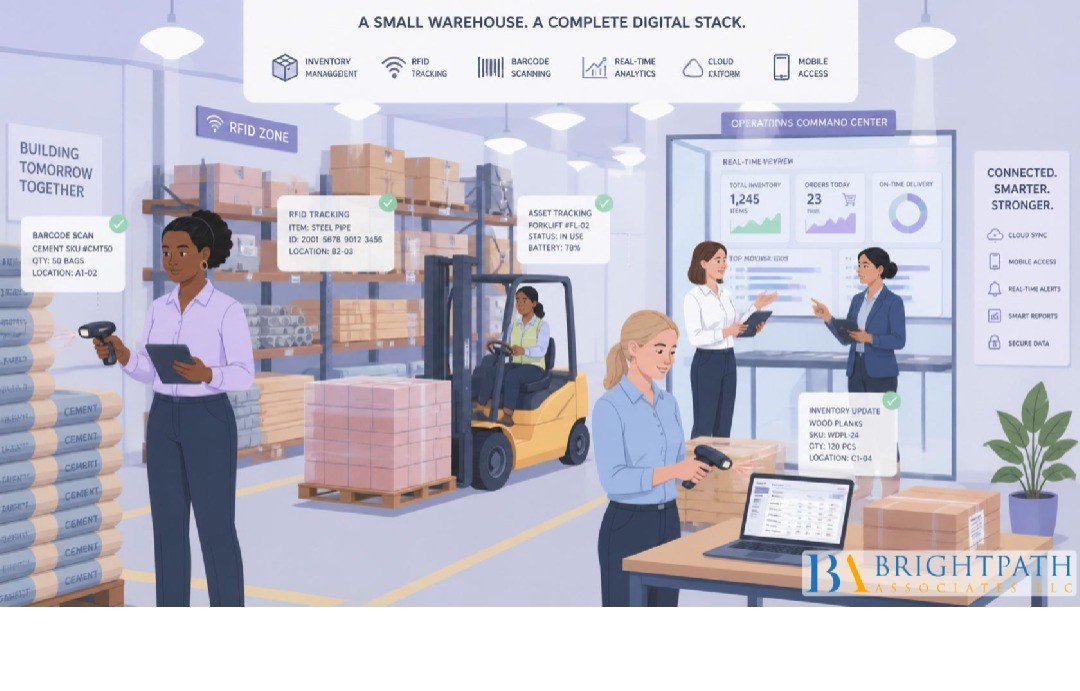
The foundation of a modern warehouse lies in its #TechnologyInfrastructure. Building technology plays a crucial role in streamlining operations, improving efficiency, and reducing costs. Warehouse management systems (WMS) are at the heart of this transformation. These systems enable the seamless coordination of inventory, order management, and logistics, ensuring that building supplies are available when needed. The integration of Internet of Things (IoT) devices further enhances this process by providing real-time data on inventory levels, environmental conditions, and equipment performance.
Sustainability is no longer a mere option; it’s a necessity. Small-scale warehouses must incorporate sustainable construction practices into their operations. This involves not only managing construction materials efficiently but also exploring material recycling and eco-friendly alternatives. The use of smart sensors and data analytics can help identify material usage patterns and optimize storage and distribution processes. By prioritizing sustainable construction, warehouses can contribute to reducing the carbon footprint of the construction industry.
The Role of Construction Economics
Understanding construction economics is vital for managing a building material warehouse. The fluctuating prices of construction materials and building supplies can significantly impact profitability. A tech-savvy warehouse utilizes predictive analytics to forecast demand and price changes, enabling better purchasing decisions. Additionally, dynamic pricing strategies can help warehouses remain competitive while meeting the needs of the construction sector.
Compliance with building regulations is a critical aspect of warehouse operations. Advanced software solutions can assist in tracking regulatory changes and ensuring that all materials meet the required standards. By incorporating compliance management tools, warehouses can avoid costly penalties and maintain their reputation in the industry. These systems also facilitate the documentation and reporting processes, providing transparency and accountability.
Concrete Production and the Lumber Industry
#ConcreteProduction and the lumber industry are integral components of any building material warehouse. The adoption of automation and robotics in concrete production leads to increased efficiency and precision. This technology minimizes waste and optimizes the use of resources. In the lumber industry, the implementation of digital tools for inventory management and supply chain optimization is essential. These technologies ensure that lumber products are sourced sustainably and delivered promptly to meet construction demands.
The integration of technology in warehouses not only improves operations but also enhances construction jobs. Workers are empowered with digital tools that streamline tasks, reduce manual labor, and increase productivity. Training employees to use these technologies is crucial for maximizing their potential. Additionally, technology facilitates collaboration and communication among team members, fostering a more cohesive and efficient work environment.
Navigating Executive Search Recruitment
A modern warehouse requires a skilled workforce capable of leveraging advanced technologies. #ExecutiveSearchRecruitment plays a pivotal role in identifying and hiring top talent. Specialized recruitment agencies focus on sourcing individuals with expertise in building technology, construction economics, and compliance management. By investing in the right personnel, warehouses can ensure that their operations are not only efficient but also innovative and forward-thinking.
Conclusion
Looking ahead, the future of small-scale building material warehouses is bright, provided they embrace technological advancements. The continuous evolution of building technology, coupled with a commitment to sustainable practices, will define the success of these warehouses. As the construction industry evolves, so too must the warehouses that support it, ensuring they remain integral to the supply chain.
In conclusion, the tech stack for a modern, small-scale building material warehouse encompasses a wide range of technologies and practices. From embracing building technology and sustainable construction to understanding construction economics and building regulations, each element plays a vital role in the warehouse’s success. By investing in the right tools and talent, these warehouses can thrive in a competitive market, providing the construction materials and building supplies needed to support sustainable construction efforts.
Find your next leadership role in Building Materials Industry today!
Stay informed with the latest insights on Building Materials Industry!