
Introduction
In today’s rapidly evolving #BusinessEnvironment, companies across industries are consistently seeking innovative ways to enhance their operations, increase productivity, and maintain a competitive edge. The agricultural sector is no exception. With advancements in agricultural technology, businesses are increasingly investing in tech upgrades to improve food production, sustainable farming, precision agriculture, and organic farming practices. However, one crucial aspect that often goes overlooked is the tax implications associated with these capital expenditures. Understanding how to navigate modern depreciation can lead to significant tax efficiency and can be a strategic advantage in agricultural innovation.
Understanding Capital Expenditures in Agriculture
Capital expenditures refer to the funds used by a company to acquire, upgrade, and maintain physical assets such as property, industrial buildings, or equipment. In the context of agriculture, these expenditures often involve investments in cutting-edge technologies that support sustainable agriculture investment and enhance agricultural sustainability. This includes digital farming tools, farm management software, and other advanced agricultural innovations.
The primary goal of these investments is to improve operational efficiency and ensure long-term sustainability. However, they also represent a significant financial outlay, which makes it essential to be mindful of the tax implications. Properly managing these expenditures through tax-efficient strategies can reduce costs and improve the overall financial health of an agricultural enterprise.
Depreciation is a key concept in managing capital expenditures for tax purposes. It refers to the allocation of the cost of a tangible asset over its useful life. For agricultural businesses, this involves spreading the cost of technological investments over several years, rather than recognizing the full expense in the year of purchase. This approach not only aligns the expense with the revenue generated by the asset but also provides a tax shield by reducing taxable income.
The #InternalRevenueService (IRS) allows businesses to depreciate their assets using various methods, such as the Modified Accelerated Cost Recovery System (MACRS). This system assigns different depreciation schedules depending on the type of asset, allowing businesses to maximize their tax deductions.
Navigating Modern Depreciation Methods
Choosing the right depreciation method is crucial for maximizing tax efficiency in agricultural technology investments. Modern depreciation methods offer a variety of options, each with unique advantages. For instance, accelerated depreciation methods allow businesses to take larger deductions in the initial years of an asset’s life, which can be particularly beneficial for rapidly evolving technologies like precision agriculture tools.
On the other hand, the straight-line depreciation method spreads the cost evenly over the asset’s useful life, providing a more predictable expense pattern. The choice between these methods should consider the company’s current and projected financial situation, the nature of the technology being acquired, and the overall strategy for agricultural innovation.
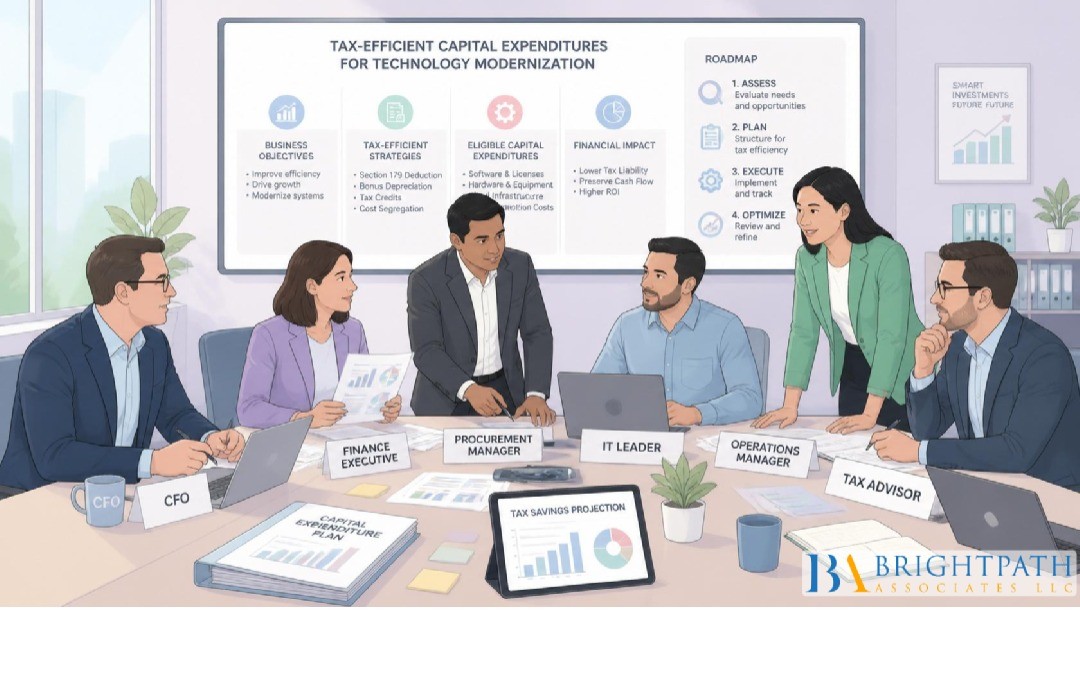
In addition to choosing the appropriate depreciation method, agricultural businesses can benefit from various tax incentives and deductions designed to encourage investment in sustainable farming and agricultural innovation. For example, the Section 179 deduction allows businesses to expense the full cost of qualifying equipment in the year of purchase, up to a certain limit. This deduction can significantly enhance cash flow, making it an attractive option for businesses looking to invest in new technologies.
Moreover, the #FederalGovernment and some states offer tax credits for specific activities, such as research and development (R&D) in agricultural sustainability. These credits can offset a portion of the costs associated with developing or implementing new farming technologies, making them a valuable tool for companies investing in digital farming or farm management software.
The Impact of Technological Advancements on Depreciation
With the rapid pace of technological advancement, particularly in the field of agricultural technology, the lifespan of tech-related assets is often shorter than that of traditional agricultural equipment. This can influence depreciation strategies, as businesses may need to replace or upgrade technology more frequently to stay competitive.
For example, precision agriculture tools and farm management software require regular updates and upgrades to maintain efficacy and relevance in the market. This dynamic nature of technology necessitates a forward-thinking approach to depreciation, where businesses not only consider the current tax implications but also anticipate future needs and changes in agricultural innovation.
Strategic planning plays a pivotal role in managing capital expenditures for agricultural technology upgrades. Companies need to assess their long-term goals for sustainable agriculture investment and align their spending and depreciation strategies accordingly. This involves a comprehensive evaluation of current assets, future technological needs, and potential tax benefits.
Engaging with professionals who specialize in #ExecutiveSearchRecruitment within the agricultural sector can be beneficial in this regard. These experts can provide insights into emerging trends, help identify key technological advancements, and offer guidance on optimizing tax strategies for capital expenditures.
Conclusion
As agriculture continues to embrace technological advancements, understanding and implementing tax-efficient strategies for capital expenditures becomes increasingly important. By effectively navigating modern depreciation methods, leveraging available tax incentives, and strategically planning for future investments, agricultural businesses can enhance their operational efficiency and sustainability. This not only aids in achieving agricultural sustainability but also ensures a competitive edge in the ever-evolving landscape of food production and organic farming.
Ultimately, a well-executed approach to managing capital expenditures can foster innovation, drive growth, and support the overarching goals of sustainable farming. Embracing these strategies allows agricultural enterprises to thrive in a world where technology and sustainability go hand in hand, paving the way for a more sustainable and prosperous future.
Find your next leadership role in Farming Industry today!