
Introduction
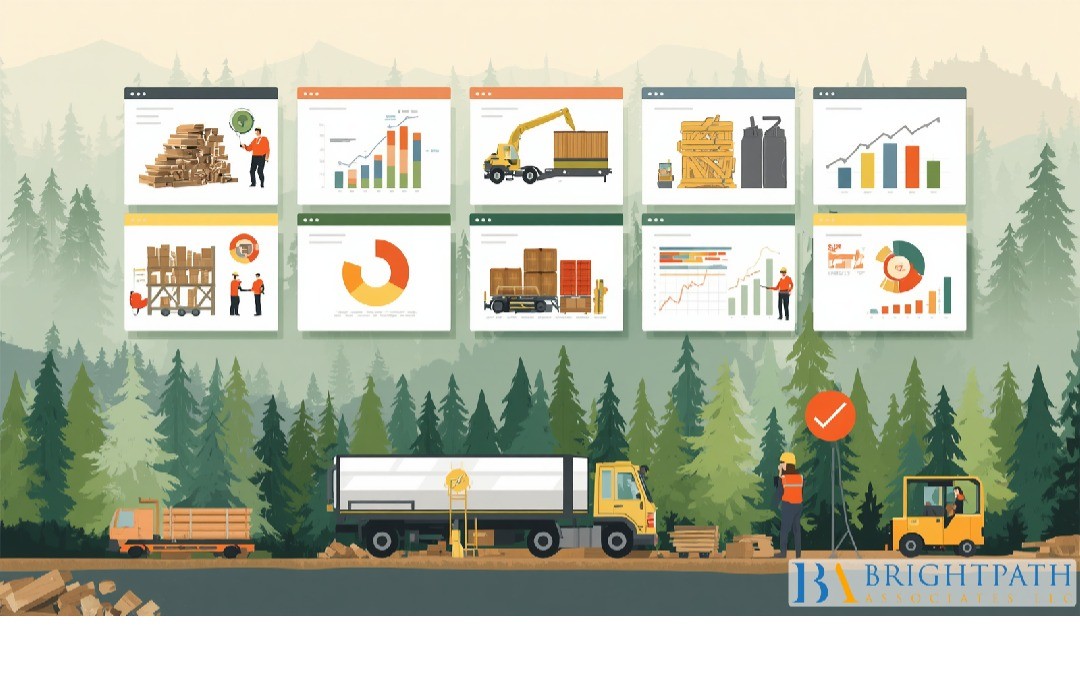
The #ForestProductsIndustry is a complex network that involves a series of processes and stakeholders from timber harvesting to the delivery of finished goods. Each step in this value chain presents opportunities for innovation and optimization to enhance efficiency, sustainability, and profitability. This exploration delves into the key aspects of the forest products value chain, shedding light on the intersection of forest product innovation, sustainable practices, and economic dynamics.
Timber Harvesting: The Foundation of the Value Chain
#TimberHarvesting is the initial and crucial stage in the forest products value chain. It involves the systematic cutting and extraction of trees, which requires careful planning to ensure sustainability and compliance with forestry regulations. Technological advancements in timber harvesting have revolutionized the industry, allowing for more precise and efficient operations. The integration of GPS technology and data analytics enables foresters to plan harvesting activities with minimal environmental impact, maintaining a balance between economic gain and ecological preservation.
Innovation in forest product development is a key driver of value chain optimization. As the demand for sustainable materials increases, the industry is investing in research and development to create innovative products that meet consumer expectations while reducing environmental impact. The development of engineered wood products, such as cross-laminated timber (CLT), exemplifies this trend. These products offer superior strength and versatility, making them an attractive alternative to traditional construction materials. Forest product innovation is not only about creating new products but also enhancing existing ones to improve their quality and sustainability.
Wood Product Manufacturing and Its Challenges
#WoodProductManufacturing is a critical link in the value chain, transforming raw timber into usable products. This stage faces several challenges, including fluctuating demand, cost pressures, and the need for sustainable practices. Manufacturers are adopting advanced technologies to streamline operations and improve product quality. Automation and robotics are increasingly used to enhance precision and efficiency, reducing waste and lowering production costs. Additionally, manufacturers are exploring sustainable materials to minimize their environmental footprint and appeal to eco-conscious consumers.
The lumber industry is experiencing significant transformations driven by changing market demands and environmental considerations. Lumber industry trends indicate a shift towards sustainable forestry practices and the adoption of digital technologies. The use of sensors and IoT devices allows for real-time monitoring of forest conditions, enabling more informed decision-making. Furthermore, the industry is witnessing a growing interest in sustainable building materials, prompting companies to innovate and adapt to emerging market needs.
Paper and Pulp Technology: Enhancing Efficiency
Paper and #PulpTechnology is essential to the production of paper products, and innovations in this field can significantly optimize the value chain. By improving the efficiency of pulping processes and reducing energy consumption, manufacturers can lower production costs and environmental impact. Advanced technologies, such as enzyme-based treatments and chemical recycling, are being explored to enhance the quality and recyclability of paper products. Paper recycling solutions are integral to creating a circular economy, where waste is minimized, and resources are efficiently reused.
The push towards sustainability is reshaping the forest products industry, with a growing emphasis on the development and use of sustainable materials. Sustainable materials not only reduce environmental impact but also align with consumer preferences for eco-friendly products. The industry is investing in the research and development of biodegradable and recyclable materials to meet this demand. Companies are also exploring the potential of alternative fibers, such as bamboo and hemp, which offer sustainability advantages over traditional wood sources.
The Economics of the Paper Industry
The paper industry is a significant component of the forest products value chain, with its economics influenced by various factors, including market demand, production costs, and regulatory frameworks. Paper industry economics require a delicate balance, as companies strive to remain competitive while adhering to environmental standards. The rise of digital media has impacted paper demand, prompting companies to diversify their product offerings and explore new markets. Despite these challenges, the paper industry continues to innovate, focusing on efficiency and sustainability to maintain its relevance and profitability.
#ForestryRegulations play a crucial role in shaping the operations and strategies of companies within the forest products industry. These regulations are designed to promote sustainable forest management and protect biodiversity. Compliance with forestry regulations ensures that timber harvesting and manufacturing activities are conducted responsibly, minimizing negative environmental impacts. Companies must navigate these regulations carefully to avoid legal issues and reputational damage, often requiring the expertise of executive search recruitment to find leaders who can implement effective compliance strategies.
#ExecutiveSearchRecruitment is vital in the forest products industry, as companies seek leaders who can drive innovation and navigate complex regulatory landscapes. The demand for executives with expertise in sustainable practices and advanced technologies is increasing, as these leaders play a key role in optimizing the value chain. Recruitment efforts focus on individuals who can balance economic objectives with environmental responsibilities, ensuring long-term success and resilience in a rapidly evolving industry.
Conclusion
Optimizing the forest products value chain from forest to customer requires a multifaceted approach that embraces innovation, sustainability, and economic acumen. By investing in advanced technologies and sustainable materials, companies can enhance efficiency, reduce environmental impact, and meet changing consumer demands. The forest products industry stands at the forefront of innovation, with opportunities to lead the way in sustainable development and create a resilient and prosperous future.
Find your next leadership role in Paper & Forest Products Industry today!
Stay informed with the latest insights on Paper & Forest Products Industry!