
Introduction
In today’s rapidly evolving industrial landscape, the drive to enhance efficiency, reduce costs, and improve productivity has never been more crucial. #IndustrialAutomation emerges as a pivotal solution in this quest, revolutionizing manufacturing processes and setting new standards in operational excellence. This article delves into the various aspects of industrial automation, exploring how automation solutions are transforming manufacturing, the role of technologies like PLC programming, robotics integration, and SCADA systems, and the evolving job landscape in this sector.
The Rise of Industrial Automation
Industrial automation involves the use of control systems, such as computers or robots, and information technologies to handle different processes and machinery in an industry to replace human intervention. It represents a significant shift from traditional manufacturing methods, promising enhanced precision, improved safety, and increased production rates.
Automation Solutions in Manufacturing
The implementation of #AutomationSolutions in the manufacturing sector is a game-changer. These solutions enable companies to streamline operations, reduce human error, and enhance overall productivity. By automating repetitive and mundane tasks, manufacturing automation allows human workers to focus on more complex and strategic functions, ultimately leading to innovation.
Key Technologies in Industrial Automation
PLC Programming Service
Programmable Logic Controllers (PLCs) are the backbone of industrial automation. They are used to automate complex processes and are essential in the control of machinery, systems, and production lines. PLC programming services specialize in developing and maintaining these controllers to ensure seamless operation. This technology is crucial for industries seeking to enhance their manufacturing processes through automation, offering customizable solutions that cater to specific industrial needs.
Robotics Integration
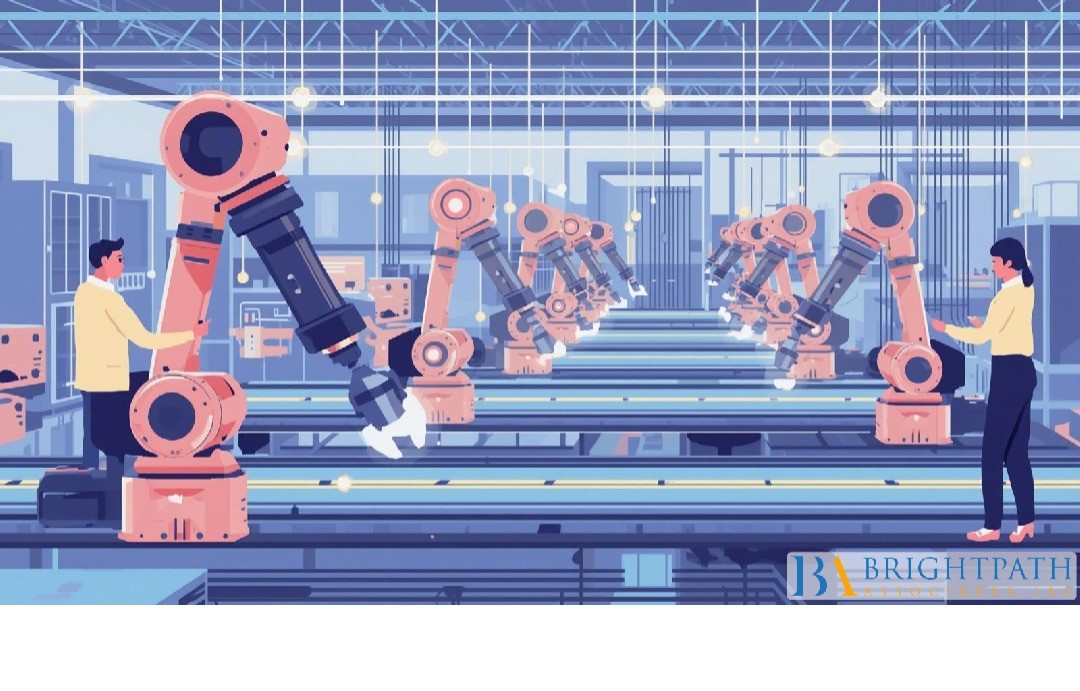
#RoboticsIntegration has become synonymous with modern manufacturing. Robots are known for their precision, speed, and ability to work in hazardous environments where human labor is limited. The integration of robotics into manufacturing processes not only boosts efficiency but also reduces the risk of workplace accidents. With advancements in artificial intelligence, robots are becoming even more adaptable, capable of performing tasks with increasing complexity and precision.
SCADA Systems
Supervisory Control and Data Acquisition (SCADA) systems are a cornerstone of modern industrial automation. These systems provide real-time data collection and monitoring, allowing for informed decision-making and swift responses to any issues. SCADA systems enhance the control and supervision of industrial processes, leading to improved efficiency and reduced downtime. Their ability to integrate with other automation technologies makes them invaluable in optimizing industrial processes.
Machine Vision
#MachineVision is a technology that enables machines to interpret and understand visual information from the surrounding environment. In industrial automation, machine vision is employed for quality control, sorting, and inspection processes. By leveraging machine vision, manufacturers can ensure consistent product quality and reduce waste, further optimizing production processes.
The Role of Control Systems
Control systems are integral to industrial automation, providing the framework for managing and regulating production processes. These systems ensure that all components of a manufacturing setup work in harmony, maximizing efficiency and productivity. By implementing advanced control systems, industries can achieve a higher degree of automation, leading to significant cost savings and enhanced product quality.
The Job Landscape in Industrial Automation
Automation Jobs
As industrial automation continues to evolve, the demand for skilled professionals in this field is on the rise. #AutomationJobs encompass a wide range of roles, from system engineers to robotics specialists. These roles require a deep understanding of automation technologies and a commitment to continuous learning, given the rapid pace of advancements in the sector.
Executive Search in Industrial Automation
The growing complexity of industrial processes has led to an increased need for specialized talent. #ExecutiveSearchRecruitment in industrial automation focuses on identifying and placing top-tier professionals who can drive innovation and efficiency in manufacturing operations. These executives are instrumental in shaping the future of industrial automation, guiding companies through the complex landscape of technological integration.
Challenges and Future Trends
While industrial automation presents numerous benefits, it also poses challenges that industries must navigate. One major challenge is the initial investment required for automation solutions. Companies must weigh the costs against the long-term benefits, such as increased efficiency and reduced labor costs. Additionally, there is a need for a skilled workforce capable of managing and maintaining these advanced systems.
Looking ahead, the future of industrial automation is promising, with emerging trends set to further transform the industry. Innovations such as the Internet of Things (IoT), artificial intelligence, and advanced analytics are expected to play a significant role in the next wave of automation solutions. These technologies will enable even greater connectivity, allowing for smarter and more responsive manufacturing environments.
Conclusion
#IndustrialAutomation is revolutionizing the manufacturing sector, offering unparalleled opportunities for optimizing processes, reducing costs, and increasing productivity. By embracing technologies such as PLC programming, robotics integration, SCADA systems, and machine vision, industries can unlock new levels of efficiency and innovation. As the demand for automation jobs grows, the need for skilled professionals and executive search recruitment will be paramount in driving this transformation. Despite the challenges, the future of industrial automation is bright, promising a new era of smart manufacturing that will redefine the industrial landscape.
Find your next leadership role in Industrial Automation Industry today!
Stay informed with the latest insights on Industrial Automation Industry!