
Introduction
The agricultural landscape is evolving, driven by #TechnologicalAdvancements and a renewed focus on sustainability. At the heart of this transformation is community engagement, which plays a pivotal role in building robust farm relationships. Through effective collaboration and shared goals, farming communities can harness innovations in agricultural technology, advance sustainable farming practices, and ensure food production meets the demands of a growing population.
The Importance of Community Engagement
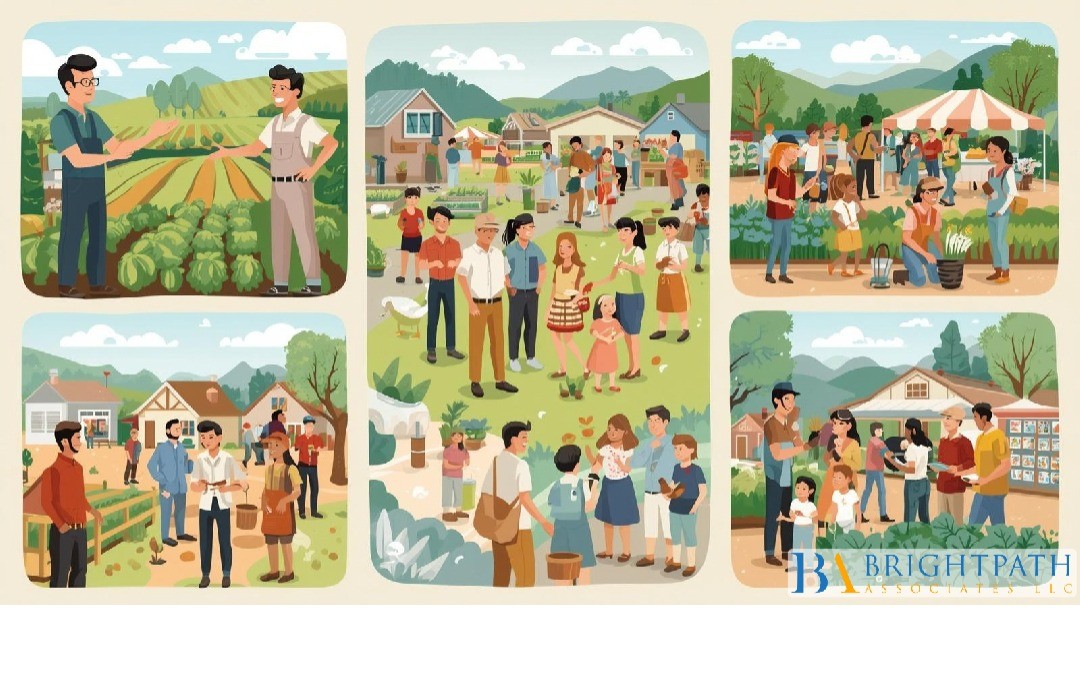
Community engagement in agriculture involves the active participation of farmers, local residents, businesses, and stakeholders in decision-making processes. This collaborative approach fosters trust and mutual understanding, essential for implementing agricultural innovations and sustainable practices. Engaging communities leads to the development of stronger, more resilient agricultural networks that can adapt to challenges and leverage opportunities.
Leveraging Agricultural Technology for Growth
#AgriculturalTechnology is reshaping how farms operate, enhancing efficiency, and increasing yields. By integrating technologies such as precision agriculture and digital farming, farmers can optimize resource use, minimize waste, and improve crop quality. Precision agriculture, for instance, employs data-driven techniques to monitor and manage field variability, ensuring inputs such as water, fertilizers, and pesticides are used judiciously.
Digital farming, incorporating farm management software, empowers farmers with real-time insights into crop health, weather patterns, and market trends. This information is crucial for making informed decisions, improving farm operations, and fostering stronger relationships within the agricultural community. When farmers share technology-driven insights with their communities, they create a collaborative environment where everyone benefits from technological advancements.
Sustainable Farming and Community Involvement
Sustainable farming practices are at the forefront of building strong farm relationships. By prioritizing environmental health, economic viability, and social equity, sustainable farming ensures long-term agricultural sustainability. Community engagement is vital in promoting sustainable practices, as it encourages collective action towards preserving natural resources and reducing the environmental impact of farming activities.
Organic farming is a key component of sustainable agriculture, focusing on natural processes and biodiversity. By engaging communities in organic farming initiatives, farmers can promote healthier food production methods and build trust with consumers. Community-supported agriculture (CSA) programs, where consumers directly support local farms in exchange for fresh produce, are an excellent example of how community involvement can bolster sustainable farming efforts.
Agricultural Innovation and Investment
Innovation in agriculture is essential for addressing the challenges of climate change, resource scarcity, and population growth. By engaging communities in agricultural innovation, farmers can foster an environment of creativity and experimentation. This collaborative approach encourages the development and adoption of new technologies, practices, and ideas that enhance agricultural productivity and sustainability.
Investment in sustainable agriculture is crucial for driving innovation and community engagement. By allocating resources to research and development, training, and infrastructure, communities can support the growth of agricultural technologies and practices that benefit everyone. #ExecutiveSearchRecruitment plays a role in this process by identifying and placing talented individuals who can lead and drive agricultural innovation forward.
The Role of Precision Agriculture in Community Engagement
Precision agriculture is a transformative approach that enhances food production through precise resource management. By utilizing tools such as GPS, sensors, and drones, farmers can collect detailed data on soil conditions, crop health, and weather patterns. This information enables farmers to make informed decisions that optimize inputs and maximize yields, contributing to sustainable farming practices.
Community engagement is essential for the successful implementation of precision agriculture. By involving local stakeholders in the adoption and adaptation of precision technologies, farmers can ensure these innovations are tailored to the specific needs and conditions of their communities. This collaborative process fosters trust, knowledge sharing, and a sense of ownership among community members.
Building Trust Through Transparency and Communication
Effective communication is the cornerstone of strong farm relationships. By maintaining open and transparent channels of communication, farmers can build trust with their communities, fostering a sense of collaboration and shared purpose. Transparency in #FarmingPractices, such as sharing information about the use of agricultural technology and sustainable methods, helps demystify the farming process and address any concerns community members may have.
Farmers can engage their communities through regular updates, farm tours, workshops, and educational programs. By providing opportunities for community members to learn about farming practices and technologies, farmers can cultivate an informed and supportive community that is invested in the success of local agriculture.
The Future of Community-Driven Agriculture
As the agricultural sector continues to evolve, community engagement will remain a critical component of building strong farm relationships. By fostering collaboration, communication, and innovation, farmers can create resilient agricultural communities that are well-equipped to tackle future challenges.
The integration of agricultural technology, sustainable farming practices, and community engagement will define the future of agriculture. By investing in these areas, communities can ensure a sustainable and prosperous future for agriculture, benefiting farmers, consumers, and the environment alike. Through continued collaboration and shared vision, farming communities can lead the way in agricultural sustainability and innovation.
Find your next leadership role in Farming Industry today!