
Introduction
The #ManufacturingSector has undergone a revolutionary transformation over the past few decades, primarily due to the rapid advancement of technology. This evolution has significantly influenced production processes, efficiency, and the global industrial landscape. As we delve into the impact of technology on manufacturing, it becomes essential to understand how various technological advancements have reshaped this sector.
Industrial Automation: A Cornerstone of Modern Manufacturing
Industrial automation has become a pivotal component of manufacturing, enabling industries to enhance productivity and maintain competitiveness. By implementing automation solutions manufacturing, companies can streamline operations, reduce human error, and minimize production costs. The integration of automation technologies has led to significant shifts in how manufacturing processes are conducted, from assembly lines to quality control.
The Role of PLC Programming Service
At the heart of industrial automation lies the #PLCProgrammingService. Programmable Logic Controllers (PLCs) are crucial in automating factory machinery and processes, thereby improving efficiency and reliability. These controllers are designed to execute specific tasks in an industrial setting, such as controlling machinery on factory assembly lines. The use of PLCs allows for precise control over manufacturing operations, reducing downtime and enhancing overall productivity.
Robotics Integration in Manufacturing
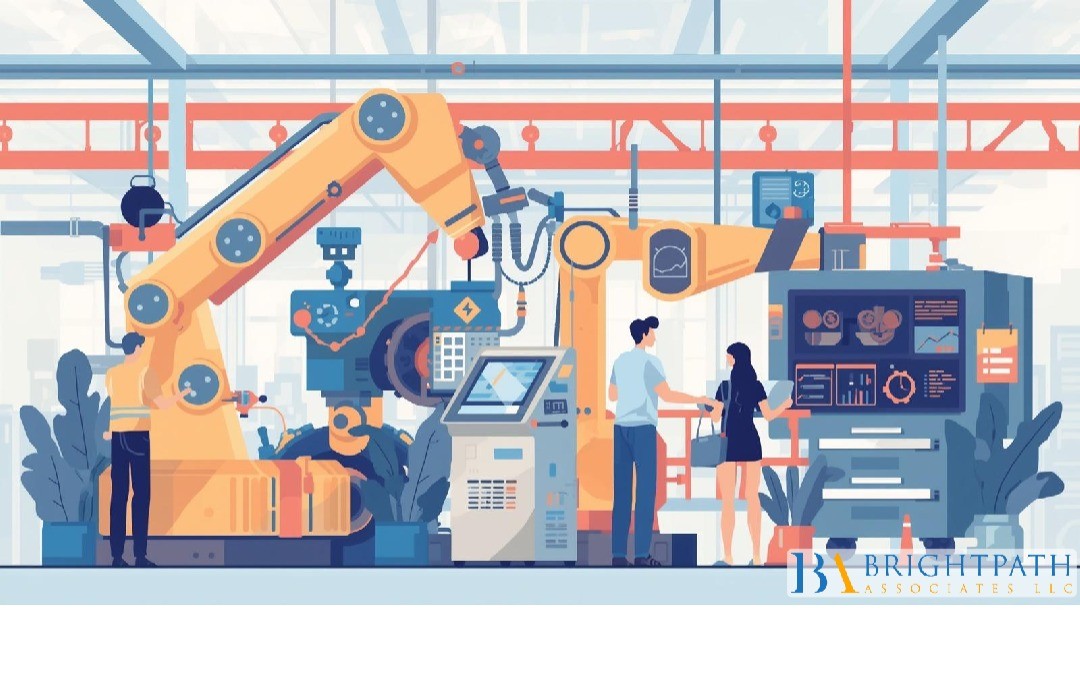
Robotics integration is another significant technological advancement that has transformed the manufacturing sector. Robots are increasingly used in various aspects of production, from assembly and welding to packaging and inspection. The precision and speed offered by robotics not only increase output but also ensure high-quality standards. The inclusion of robotics in manufacturing processes reduces the reliance on human labor for repetitive tasks, allowing workers to focus on more complex and value-added activities.
Enhancing Efficiency with Advanced Control Systems
The implementation of sophisticated #ControlSystems has further bolstered the efficiency of manufacturing operations. These systems provide real-time data analysis and monitoring, enabling manufacturers to make informed decisions swiftly. Enhanced control systems contribute to improved resource management, reduced energy consumption, and optimized production schedules.
SCADA Systems: Revolutionizing Monitoring and Control
SCADA systems (Supervisory Control and Data Acquisition) have revolutionized the monitoring and control of industrial processes. These systems allow for remote monitoring and control of equipment, ensuring that operations run smoothly and efficiently. SCADA systems are instrumental in detecting anomalies and preventing potential disruptions in manufacturing processes, thereby enhancing safety and reducing costs.
Machine Vision: Ensuring Quality and Precision
Incorporating #MachineVision into manufacturing processes has elevated quality control to new heights. Machine vision systems utilize cameras and image-processing software to inspect products quickly and accurately. This technology is invaluable in identifying defects, ensuring that only high-quality products reach the consumer. By automating quality control, manufacturers can achieve greater consistency and reduce waste.
The Growing Demand for Automation Jobs
As technology continues to advance, the demand for skilled professionals in the field of automation is on the rise. Automation jobs are becoming increasingly prevalent, requiring expertise in areas such as robotics, PLC programming, and SCADA systems. The need for highly trained individuals who can design, implement, and maintain these technologies is crucial for sustaining the growth and efficiency of the manufacturing sector.
Executive Search in Industrial Automation
The surge in demand for automation professionals has led to the emergence of specialized #IndustrialAutomation firms. These firms focus on identifying and recruiting top talent within the automation industry. By connecting skilled professionals with companies in need of their expertise, executive search firms play a vital role in maintaining the momentum of technological advancement in manufacturing.
The Future of Manufacturing Automation
As we look to the future, the potential for further advancements in manufacturing automation is vast. Emerging technologies, such as artificial intelligence and the Internet of Things, promise to bring about even greater efficiencies and innovations. The integration of these technologies into manufacturing processes will continue to redefine the industry, driving productivity and competitiveness on a global scale.
Embracing Change and Innovation
Manufacturers must remain agile and open to adopting new technologies to thrive in an increasingly competitive landscape. By embracing innovation and investing in advanced #AutomationSolutions, companies can secure their position as leaders in the industry. The ongoing evolution of technology will undoubtedly present new challenges, but with the right strategies and workforce, the manufacturing sector is well-positioned to overcome them.
The Role of Executive Search Recruitment
#ExecutiveSearchRecruitment plays a crucial role in ensuring that manufacturing companies have access to the talent they need to navigate the complexities of modern automation technologies. By identifying and recruiting individuals with the necessary expertise, executive search firms help manufacturers build teams capable of driving innovation and achieving long-term success.
Conclusion
In conclusion, the impact of technology on the manufacturing sector is profound and multifaceted. From industrial automation and robotics integration to advanced control systems and SCADA, these technologies have revolutionized how manufacturing processes are conducted. The demand for skilled professionals in automation continues to grow, highlighting the importance of executive search recruitment in maintaining a competitive edge. As the sector continues to evolve, embracing technological advancements will be key to sustaining growth and driving future innovation.
Find your next leadership role in Industrial Automation Industry today!
Stay informed with the latest insights on Industrial Automation Industry!