
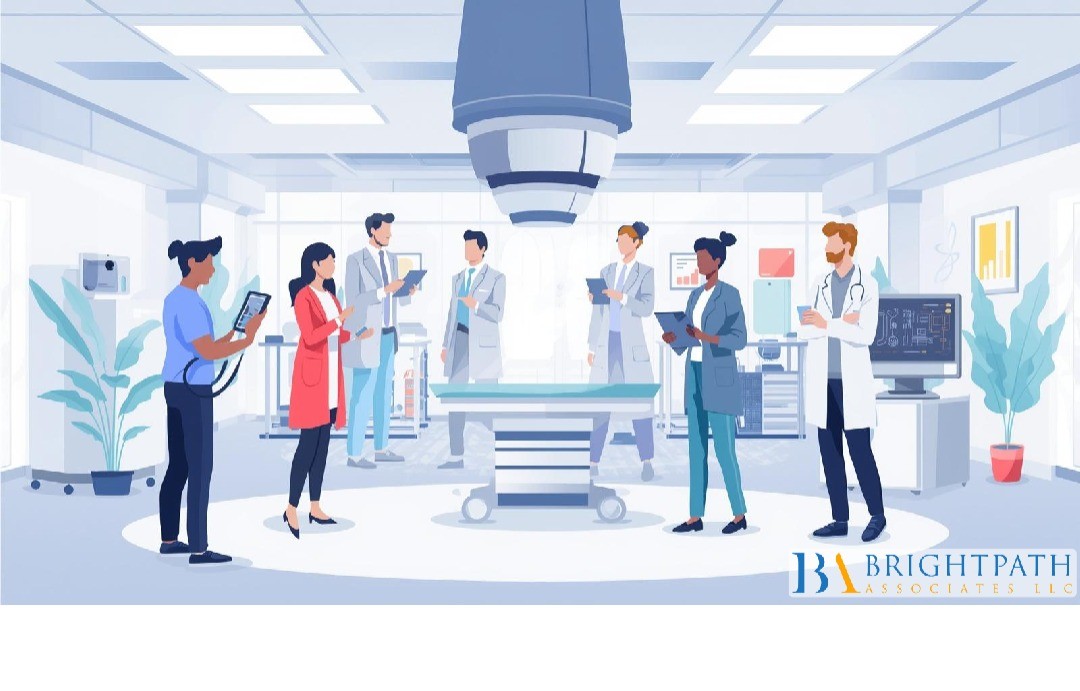
Introduction
In recent years, the integration of #DigitalTechnology into healthcare has revolutionized the medical device industry. This evolution has been driven by a multitude of factors, including technological advancements, changing patient expectations, and increased regulatory requirements. The impact of digital health on medical devices is profound, leading to unprecedented innovation, enhanced safety, and new business opportunities.
Medical Device Innovation
Digital health has significantly accelerated medical device innovation. The convergence of healthcare and technology has resulted in devices that are smarter, more efficient, and capable of providing real-time data. Innovations in sensor technology, wireless communication, and data analytics have allowed medical devices to become more personalized and patient-centric. These advancements enable remote monitoring, telemedicine, and personalized treatment plans, which are reshaping the patient experience and improving health outcomes.
Medical Device Regulatory
The rise of digital health has also shifted the landscape of #MedicalDeviceRegulatory requirements. Regulatory bodies worldwide are adapting their frameworks to accommodate the integration of software and digital components in medical devices. For instance, the U.S. Food and Drug Administration (FDA) has developed guidelines for software as a medical device (SaMD) to ensure safety and efficacy. Navigating these regulatory requirements is essential for manufacturers to bring innovative devices to market while maintaining compliance with safety standards.
Medical Device AI
Artificial intelligence (AI) is at the forefront of digital health, transforming the capabilities of medical devices. Medical device AI facilitates advanced data analysis, enabling devices to make predictive and diagnostic decisions with remarkable accuracy. AI-powered devices can analyze vast amounts of clinical data, identify patterns, and provide insights that enhance clinical decision-making. This not only improves patient care but also optimizes operational efficiency within healthcare systems.
Medical Device Risk Management
As medical devices become more complex with digital integration, #MedicalDeviceRiskManagement becomes increasingly critical. Manufacturers must address potential risks associated with software malfunctions, data breaches, and interoperability issues. Implementing robust risk management strategies ensures that devices are safe and reliable, protecting both patients and healthcare providers. It involves continuous monitoring, assessment, and mitigation of risks throughout the device lifecycle.
Medical Device Commercialization
The commercialization of digital health technologies presents unique challenges and opportunities. Medical device commercialization requires a strategic approach that considers market demand, regulatory compliance, and competitive positioning. Companies must invest in research and development to create innovative products while aligning with industry standards and regulations. Successful commercialization also involves effective marketing and distribution strategies to ensure that devices reach the intended audience and achieve widespread adoption.
Medical Device International Expansion
Digital health facilitates medical device international expansion by enabling devices to transcend #GeographicalBoundaries. Companies can now reach global markets more efficiently through digital platforms and telemedicine services. However, international expansion requires a deep understanding of diverse regulatory environments, cultural differences, and market dynamics. Strategic partnerships and collaborations with local entities can aid in navigating these complexities and achieving successful market entry.
Medical Device Cybersecurity
With the increasing connectivity of medical devices, medical device cybersecurity has become a paramount concern. Protecting patient data and device integrity from cyber threats is essential to maintaining trust and ensuring patient safety. Manufacturers must implement robust cybersecurity measures, including encryption, authentication, and regular software updates. Collaboration with cybersecurity experts and adherence to industry standards are crucial to safeguarding devices against potential breaches.
Medical Device Robotics
The integration of robotics in digital health has opened new avenues for innovation. #MedicalDeviceRobotics enhances precision, efficiency, and accessibility in surgical procedures and rehabilitation therapies. Robotic-assisted devices provide surgeons with enhanced dexterity and control, leading to improved patient outcomes and reduced recovery times. As technology advances, the role of robotics in healthcare will continue to expand, offering new possibilities for treatment and care.
Medical Device Clinical Data
The collection and analysis of medical device clinical data play a critical role in the development and improvement of digital health technologies. Real-world data provides insights into device performance, patient outcomes, and treatment efficacy. This data-driven approach enables manufacturers to refine product designs, optimize clinical workflows, and deliver evidence-based solutions. Additionally, clinical data supports regulatory submissions and post-market surveillance, ensuring ongoing device safety and effectiveness.
Medical Device Strategic Partnerships
To thrive in the evolving digital health landscape, companies must engage in medical device #StrategicPartnerships. Collaborations with technology firms, research institutions, and healthcare providers foster innovation and drive growth. These partnerships enable the sharing of knowledge, resources, and expertise, leading to the development of cutting-edge solutions. Strategic alliances also facilitate market entry, regulatory compliance, and commercialization efforts, positioning companies for success in a competitive market.
Executive Search Recruitment
The transformation of the medical device industry demands a skilled workforce capable of navigating the complexities of digital health. #ExecutiveSearchRecruitment plays a vital role in identifying and attracting top talent with expertise in technology, regulatory affairs, and business development. Companies must invest in talent acquisition strategies to build teams that can drive innovation, manage risks, and execute strategic initiatives effectively. By assembling a diverse and skilled workforce, organizations can capitalize on the opportunities presented by digital health and remain competitive in the industry.
In conclusion, the impact of digital health on medical devices is transformative, driving innovation, enhancing patient care, and opening new business avenues. As the industry continues to evolve, companies must embrace digital technologies, adapt to regulatory changes, and invest in strategic partnerships to succeed in this dynamic landscape. By doing so, they can harness the full potential of digital health, improving healthcare outcomes and shaping the future of medical devices.
Find your next leadership role in Medical Devices Industry today!
Stay informed with the latest insights on Medical Devices Industry!