
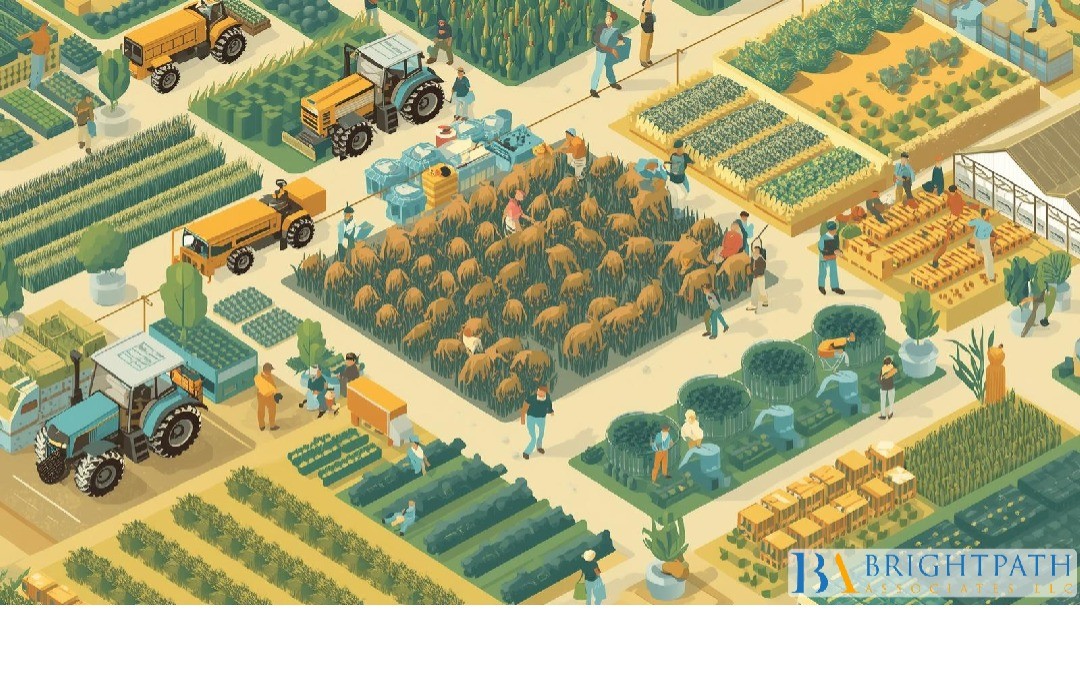
In the face of global challenges and market volatility, building a resilient farm supply chain is imperative for ensuring the sustainability and profitability of #AgriculturalEnterprises. The agricultural sector is increasingly exposed to uncertainties such as climate change, fluctuating market demands, and geopolitical tensions. To navigate these complexities, stakeholders must adopt innovative strategies that enhance their supply chains’ resilience. This comprehensive guide explores various aspects of building a robust farm supply chain, focusing on the integration of agricultural technology, sustainable farming practices, and advanced management systems.
Embracing Agricultural Technology
Agricultural technology plays a pivotal role in enhancing the resilience of farm supply chains. By leveraging technological advancements, farmers can optimize their operations, improve productivity, and reduce vulnerabilities to external shocks. Precision agriculture, for instance, allows farmers to apply resources more efficiently, minimizing waste and maximizing yield. Through the use of sensors, GPS, and data analytics, precision agriculture enables real-time monitoring and decision-making, which is crucial in adapting to changing market conditions.
Digital farming, another facet of agricultural technology, connects various components of the supply chain, facilitating seamless communication and coordination. Farm management software is an invaluable tool for tracking inventory, managing resources, and predicting future trends. By providing a centralized platform for data management, these technologies empower farmers to make informed decisions that enhance the resilience and sustainability of their operations.
Sustainable Farming Practices
#SustainableFarming is integral to building a resilient supply chain. By adopting practices that prioritize environmental health and resource conservation, farmers can mitigate the impacts of climate change and reduce dependency on non-renewable resources. Organic farming, with its emphasis on natural inputs and biodiversity, is a prime example of sustainable agriculture that contributes to long-term environmental and economic stability.
Investing in sustainable agriculture is not only beneficial for the environment but also economically advantageous. Sustainable agriculture investments can lead to increased productivity, improved soil health, and reduced operating costs. By fostering a balance between profitability and ecological responsibility, sustainable farming practices ensure the longevity of agricultural enterprises in volatile markets.
The Role of Agricultural Innovation
Agricultural innovation is a driving force behind the development of resilient supply chains. Innovations in crop genetics, pest management, and post-harvest technologies enhance the capacity of farmers to adapt to changing conditions and market demands. By continually investing in research and development, the agricultural sector can unlock new opportunities that strengthen the entire supply chain.
Moreover, innovation extends beyond technological advancements to include novel business models and partnerships. Collaborations between farmers, technology providers, and supply chain stakeholders can lead to the creation of resilient networks that are better equipped to withstand external pressures. #ExecutiveSearchRecruitment plays a crucial role in identifying and attracting top talent who can drive innovation and lead transformative initiatives in the agricultural sector.
Precision Agriculture and Farm Management
Precision agriculture and farm management software are instrumental in building supply chain resilience. By utilizing precise data, farmers can tailor their practices to the specific needs of their crops and livestock, optimizing resource use and minimizing risks. These technologies enable farmers to anticipate challenges, such as pest outbreaks or adverse weather, and implement proactive measures to mitigate their impact.
Farm management software facilitates comprehensive oversight of farm operations, from planting to harvesting and distribution. By integrating data from various sources, these platforms provide valuable insights that support #StrategicPlanning and risk management. As a result, farmers can enhance their operational efficiency and adaptability, ensuring a more resilient supply chain.
Enhancing Agricultural Sustainability
Agricultural sustainability is a cornerstone of resilient supply chains. Sustainable practices, such as crop rotation, cover cropping, and agroforestry, enhance soil fertility and promote biodiversity, reducing the need for chemical inputs. These practices not only support environmental health but also contribute to the economic resilience of farms by reducing input costs and improving crop yields.
Additionally, sustainable agriculture often involves community engagement and education, fostering a culture of stewardship and collaboration. By building strong relationships with local communities and stakeholders, farmers can create a supportive network that bolsters the resilience of their supply chains. This holistic approach to sustainability ensures that agricultural enterprises can thrive in the face of market volatility and environmental challenges.
Strategic Investment in Sustainable Agriculture
Investing strategically in sustainable agriculture is essential for building resilient #SupplyChains. This includes allocating resources towards research and development, infrastructure improvements, and capacity building. By prioritizing investments that enhance sustainability, agricultural enterprises can improve their competitiveness and adaptability.
Public and private sector collaboration is crucial in facilitating these investments. Governments can provide incentives and subsidies for sustainable practices, while private investors can support innovative startups and technologies. By aligning financial resources with sustainability goals, the agricultural sector can build a resilient supply chain that is prepared to navigate the uncertainties of the future.
Conclusion
Building a resilient farm supply chain requires a multifaceted approach that integrates agricultural technology, sustainable farming practices, and strategic investments. By embracing innovation and prioritizing sustainability, agricultural enterprises can enhance their resilience to market volatility and environmental challenges. Through collaboration and continuous improvement, the agricultural sector can ensure a stable and prosperous future, secure in its ability to adapt and thrive in an ever-changing world.
Find your next leadership role in Farming Industry today!