
Introduction
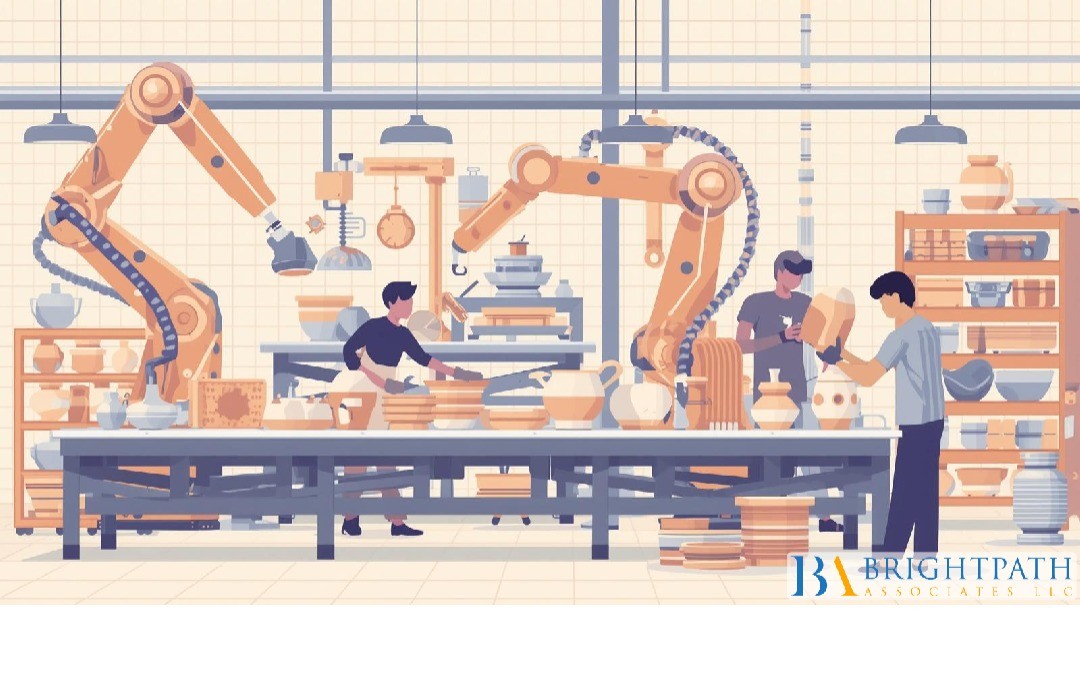
The manufacturing landscape is undergoing a profound transformation, with automation playing a pivotal role in shaping the future of industries. Among these, the #CeramicsIndustry is witnessing a remarkable evolution. The integration of advanced technologies, often referred to as “Ceramics 4.0,” is not only enhancing production efficiency but also revolutionizing the entire manufacturing process. This article delves into the impact of automation on ceramics, offering insights into emerging trends and innovations.
The Rise of Automation in Ceramic Manufacturing
Automation in ceramic manufacturing is not merely a fleeting trend but a profound shift towards increased efficiency and precision. Traditional methods, which relied heavily on manual labor, are now being augmented or replaced by automated systems. This change is driven by the need for higher productivity, consistency in product quality, and cost-effectiveness.
Enhanced Production Efficiency
One of the most significant benefits of automation in ceramics is the improvement in production efficiency. #AutomatedMachinery can operate continuously, reducing downtime and maximizing output. This is particularly crucial in meeting the growing demand for ceramic products across various industries.
Consistency and Quality Control
Automation ensures a high level of consistency in ceramic production. Advanced sensors and monitoring systems can detect even the slightest deviations in the manufacturing process, enabling immediate corrections. This level of precision is essential for maintaining the quality of ceramic products, which is a key factor in the industry’s growth.
Technological Advancements in Ceramic Manufacturing
The integration of cutting-edge technologies is at the heart of Ceramics 4.0. These advancements are not only streamlining production processes but also expanding the capabilities of #CeramicProducts.
Robotics and AI in Ceramic Manufacturing
Robotics and artificial intelligence (AI) are playing a crucial role in transforming ceramic manufacturing technology. Robots are increasingly being used for tasks such as material handling, assembly, and quality inspection. AI algorithms, meanwhile, are optimizing production processes, predicting equipment failures, and enabling predictive maintenance.
Additive Manufacturing and 3D Printing
Additive manufacturing, commonly known as #3DPrinting, is revolutionizing the way ceramic products are designed and produced. This technology allows for the creation of complex shapes and structures that were previously impossible with traditional methods. It also reduces material waste, making it a more sustainable option.
Automation’s Impact on the Glass Industry
The glass industry is closely linked to ceramics and is experiencing similar transformative changes due to automation. This section explores the latest trends and innovations in the glass market analysis.
Innovations in Glass Production
Automation has led to significant innovations in #GlassIndustry innovation. Advanced production lines equipped with automated machines are capable of producing glass products with unparalleled precision and speed. This not only improves the quality of the final product but also reduces production costs.
Sustainable Practices in Glass Manufacturing
The rise of automation is also contributing to sustainable building materials. Automated systems optimize energy usage and minimize waste, aligning with the industry’s sustainability goals. This is crucial for the long-term viability of the glass industry.
Concrete Industry Trends and Automation
The concrete industry is another sector that is benefiting from the integration of automation. As construction projects become more complex and demanding, the need for advanced #ConcreteTechnology is more significant than ever.
Efficiency in Concrete Production
Automation is enhancing concrete production efficiency by streamlining processes and reducing human error. Automated batching systems, for example, ensure precise measurements of ingredients, resulting in consistent and high-quality concrete mixes. This is vital for meeting the rigorous standards of modern construction projects.
Sustainable Practices in Concrete Manufacturing
Sustainability is a key consideration in modern manufacturing. Automation is helping the cement industry sustainability by optimizing raw material usage and reducing energy consumption. These practices not only lower costs but also minimize the #EnvironmentalImpact of concrete production.
The Role of Automation in Construction Materials Recruitment
The adoption of automation in the manufacturing sector is influencing construction materials recruitment. As industries evolve, so too do the skills and expertise required to thrive in this new landscape.
Demand for Specialized Skills
The shift towards automated systems is creating a demand for professionals with expertise in advanced #ManufacturingTechnologies. This includes skills in robotics, AI, and data analytics. Construction materials recruitment is increasingly focusing on these specialized skills to meet the needs of modern manufacturing.
Executive Search Recruitment in the Manufacturing Sector
#ExecutiveSearchRecruitment is playing a crucial role in identifying and attracting top talent to drive innovation in the manufacturing sector. Companies are seeking leaders who can navigate the complexities of automation and guide their organizations towards sustainable growth.
The Future of Ceramic Industry Growth
The integration of automation and advanced technologies is setting the stage for unprecedented ceramic industry growth. As manufacturers continue to adopt #InnovativeSolutions, the potential for expansion and development is vast.
Expanding Market Opportunities
Automation is enabling manufacturers to explore new market opportunities by diversifying their product offerings. This includes the development of specialized ceramic products for niche markets, such as aerospace and biomedical applications.
Embracing Sustainability
Sustainability is a driving force behind the industry’s growth. Automated systems allow for more efficient use of resources, reducing waste and #EnvironmentalImpact. This aligns with the growing demand for eco-friendly products in the market.
Conclusion
Ceramics 4.0 represents a new era in ceramic manufacturing technology, characterized by the integration of automation and advanced technologies. This transformation is not only enhancing production efficiency and quality but also driving innovation across the industry. As automation continues to reshape the landscape, the ceramics industry is poised for significant growth and development. By embracing these changes and focusing on sustainability, manufacturers can secure a competitive edge in the rapidly evolving market.
Find your next leadership role in Glass, Ceramic, Concrete Industry today!
Stay informed with the latest insights on Glass, Ceramic, Concrete Industry!