
Introduction
The #PharmaceuticalIndustry is at a pivotal point, where the demand for innovative drugs and therapies is surging. This growth is driven by an aging population, the emergence of new diseases, and advances in biotechnology and medicine. As the industry evolves, pharmaceutical manufacturing companies are tasked with scaling their operations sustainably. Achieving this requires a blend of strategic planning, technological adoption, and an understanding of market dynamics.
Understanding the Landscape
The pharmaceutical manufacturing sector is a cornerstone of the biopharmaceutical industry. It demands precision, regulatory compliance, and efficiency. Drug manufacturing companies in the US are particularly attuned to these requirements, given the stringent regulations imposed by bodies like the FDA. As these companies seek to expand, they face challenges that include supply chain complexities, cost pressures, and the need for skilled labor.
Strategic Pharmaceutical Marketing
A robust #PharmaceuticalMarketingStrategy is essential for companies aiming to scale. This involves not only promoting existing products but also ensuring that new drugs reach the market effectively. Marketing strategies must be data-driven and adaptable, leveraging insights from pharmaceutical industry market research. Understanding customer needs, competitor activities, and market trends can inform marketing approaches that resonate with target audiences.
The Role of Technology
Technology is a critical enabler of sustainable growth in pharmaceutical manufacturing. Biotech machine learning, for instance, is transforming drug discovery and development processes. By analyzing vast datasets, machine learning algorithms can identify potential drug candidates more quickly and accurately than traditional methods. This not only accelerates the research phase but also reduces costs and enhances the likelihood of successful outcomes.
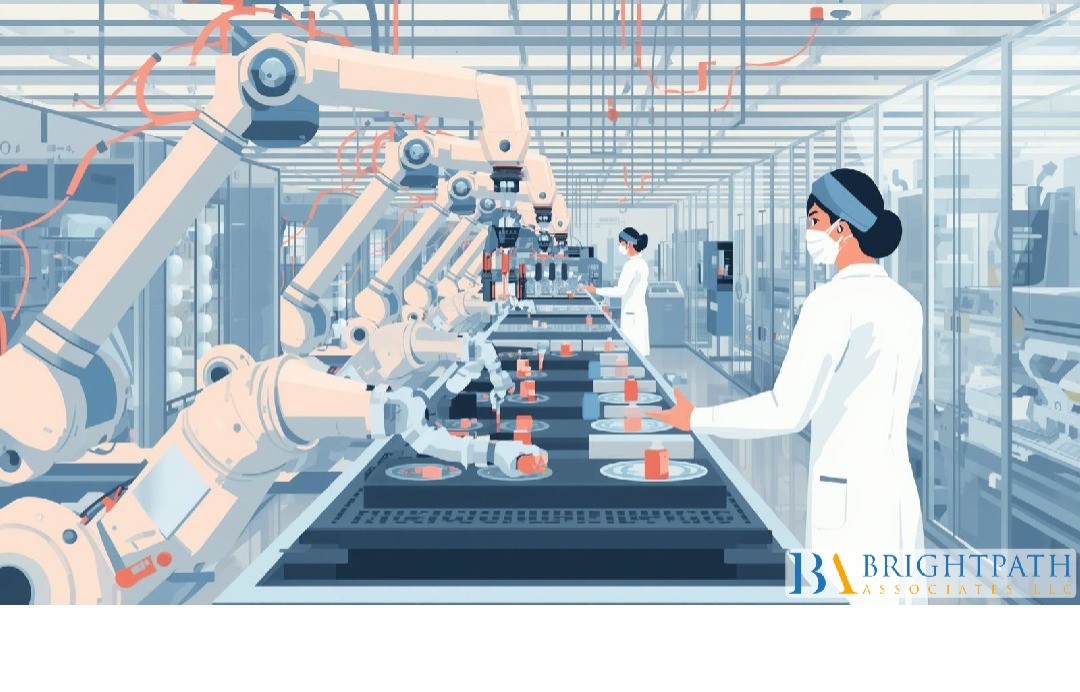
Furthermore, automation and digitalization across manufacturing processes can lead to increased efficiency and reduced waste. The implementation of smart manufacturing technologies allows for real-time monitoring and control, ensuring that production lines operate at optimal levels. These advancements also support regulatory compliance by maintaining detailed records and ensuring product quality.
Workforce Development and Recruitment
Scaling operations requires a skilled workforce. The demand for talent in the pharmaceutical industry is growing, particularly in specialized areas such as biotech and machine learning. Pharmaceutical industry recruitment strategies need to focus on attracting and retaining top talent. This includes developing comprehensive training programs and creating pathways for career advancement.
Pharmaceutical #ExecutiveSearchRecruitment is a specialized field that plays a crucial role in identifying leaders who can drive strategic initiatives. These executives are responsible for steering companies through periods of growth and ensuring that organizational goals align with industry trends and demands.
Supply Chain Optimization
A well-optimized supply chain is vital for scaling pharmaceutical manufacturing. Companies must ensure a steady flow of raw materials and manage logistics efficiently to prevent disruptions. This involves collaborating with suppliers, implementing advanced inventory management systems, and adopting just-in-time production methods.
Moreover, a resilient supply chain is one that can adapt to changing circumstances, such as shifts in demand or regulatory changes. By investing in supply chain resilience, pharmaceutical manufacturing companies can mitigate risks and enhance their ability to scale sustainably.
Regulatory Compliance and Risk Management
Compliance with regulatory standards is non-negotiable in the pharmaceutical industry. As companies expand, they must navigate a complex landscape of regulations that vary by region and product type. Ensuring compliance requires a proactive approach to risk management, where potential issues are identified and addressed before they impact operations.
#PharmaceuticalCompanies must also stay informed about changes in regulatory requirements and adapt their processes accordingly. This often involves investing in compliance training for staff and implementing robust quality management systems.
Innovation and Collaboration
Innovation is the lifeblood of the pharmaceutical industry. Drug manufacturing companies in the US are constantly seeking new ways to improve drug efficacy and delivery. Collaborative efforts, such as partnerships with academic institutions, research organizations, and other industries, can accelerate innovation.
These collaborations can also extend to marketing efforts. Pharma marketing strategies benefit from partnerships that expand reach and enhance brand credibility. By working together, companies can pool resources, share expertise, and drive innovation that benefits the entire industry.
Conclusion
Scaling pharmaceutical manufacturing sustainably requires a multifaceted approach. Companies must integrate strategic marketing, technological advancements, workforce development, supply chain optimization, regulatory compliance, and innovation. By doing so, they can capitalize on growth opportunities while maintaining operational efficiency and quality standards.
The path to sustainable growth in the #PharmaceuticalIndustry is complex, but with the right strategies, companies can thrive in an ever-evolving landscape. As they navigate this journey, the importance of strategic recruitment and leadership cannot be overstated. Pharmaceutical executive search recruitment will continue to be pivotal in shaping the future of the industry, ensuring that it is equipped with the skills and vision needed to meet the challenges ahead.
Find your next leadership role in Pharmaceutical Industry today!
Stay informed with the latest insights on Pharmaceutical Industry!