
Introduction
In the evolving landscape of modern agriculture, data analytics has emerged as a critical tool for enhancing farm profitability. With the increasing integration of technology into agriculture, farmers are now equipped with insights that drive decision-making processes, optimize resources, and maximize yields. This article delves into how #DataAnalytics is revolutionizing farm profitability through various facets such as agricultural technology, food production, and sustainable farming, among others.
The Role of Agricultural Technology in Data Analytics
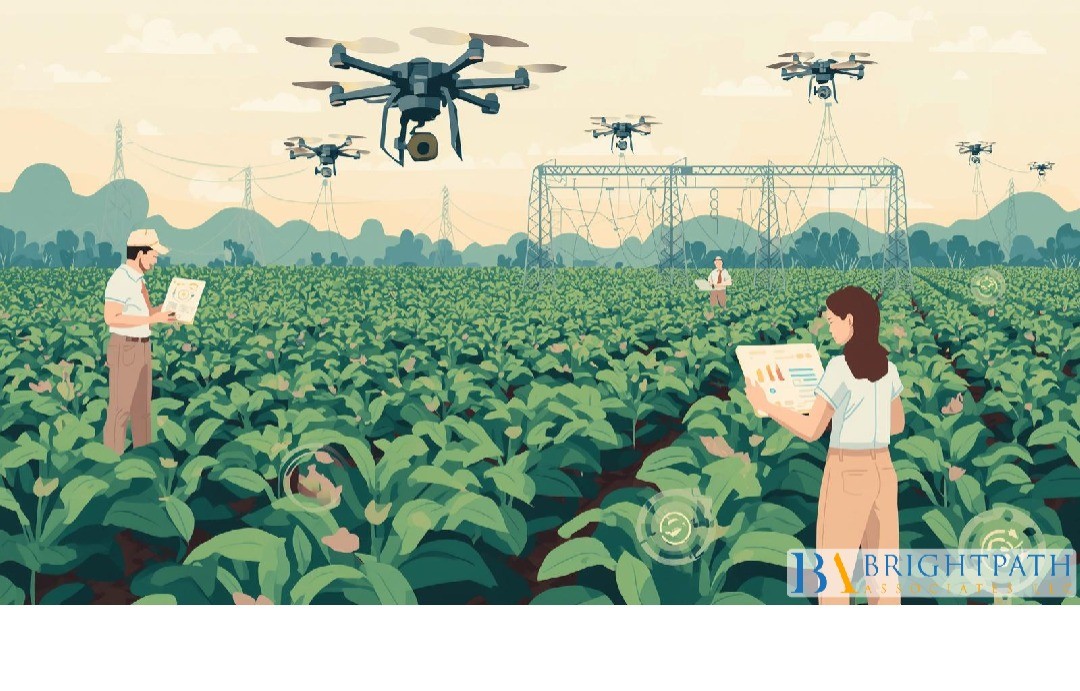
Agricultural technology is at the forefront of the data analytics revolution in farming. This technological evolution has introduced tools and systems that collect and analyze vast amounts of data from farm operations. Through sensors and IoT devices, farmers can gather real-time data on soil moisture, weather patterns, and crop health. Analyzing this data allows for the precise application of water, fertilizers, and pesticides, thus promoting precision agriculture.
Precision agriculture involves the use of data analytics to make farming more efficient and productive. By understanding the specific needs of each area of a field, farmers can apply inputs more accurately and efficiently, reducing waste and increasing yields. This not only enhances farm profitability but also supports sustainable farming practices by minimizing environmental impact.
Food Production and the Impact of Data Analytics
Data analytics plays a pivotal role in enhancing food production. By leveraging data-driven insights, farmers can make informed decisions that lead to higher crop yields and better quality produce. For instance, #PredictiveAnalytics can forecast crop diseases or pest infestations, allowing farmers to take preemptive measures. This proactive approach ensures healthier crops and minimizes losses, thereby boosting food production efficiency.
Moreover, data analytics aids in optimizing supply chains, ensuring that food reaches consumers in the freshest possible state. Tracking systems enabled by data analytics provide transparency and traceability, which are crucial in maintaining food quality and safety standards. As a result, farms that embrace data analytics are better positioned to meet the demands of a growing global population.
Sustainable Farming Through Data-Driven Insights
Sustainable farming is increasingly becoming a priority in the agricultural sector. Data analytics supports this by enabling farmers to adopt practices that conserve resources and protect the environment. By analyzing data on resource usage and environmental impact, farmers can implement strategies that reduce carbon footprints and promote biodiversity.
Furthermore, data analytics facilitates sustainable agriculture investment by providing evidence-based insights into the long-term benefits of sustainable practices. Investors can assess the potential returns on investments in sustainable farming initiatives, encouraging more funding in this critical area. As sustainability becomes a key factor in agricultural innovation, data analytics will continue to drive the adoption of environmentally friendly practices.
The Advent of Digital Farming
#DigitalFarming represents a new era in agriculture, characterized by the integration of digital technologies into farm management. Farm management software is a cornerstone of digital farming, providing farmers with comprehensive tools to manage their operations more effectively. These software solutions offer features such as crop planning, inventory management, and financial tracking, all powered by data analytics.
By utilizing farm management software, farmers can streamline their operations, reduce costs, and enhance productivity. The insights gained from data analytics enable more strategic planning and resource allocation, ultimately leading to increased profitability. As digital farming becomes more widespread, the role of data analytics in transforming agricultural practices will only grow more prominent.
Organic Farming and Data Analytics
Organic farming, while traditionally less reliant on technology, is also benefiting from data analytics. Organic farmers can use data to optimize their practices, ensuring that they meet organic standards while remaining economically viable. For example, data analytics can help organic farmers monitor soil health and nutrient levels, allowing them to make informed decisions about crop rotations and organic inputs.
Additionally, data analytics can assist in market analysis, helping organic farmers identify consumer trends and preferences. By aligning their production with market demands, organic farmers can improve their profitability while maintaining their commitment to sustainable and ethical farming practices.
Agricultural Innovation Driven by Data
#AgriculturalInnovation is being propelled by the insights gained from data analytics. New technologies and practices are constantly emerging, driven by the need to address challenges such as climate change, resource scarcity, and food security. Data analytics provides the foundation for these innovations, offering the evidence needed to develop and refine new agricultural techniques.
For instance, the development of drought-resistant crops and advanced irrigation systems is heavily reliant on data analytics. By understanding the specific needs of crops and the environmental conditions they face, researchers and innovators can create solutions that enhance resilience and productivity. As agricultural innovation continues to evolve, data analytics will remain a key driver of progress.
The Role of Executive Search Recruitment in Agricultural Sustainability
As the agricultural industry becomes more data-driven, the demand for #SkilledProfessionals in data analytics and digital farming is on the rise. #ExecutiveSearchRecruitment plays a crucial role in sourcing and placing talent capable of leveraging data to enhance agricultural sustainability. Hiring skilled data analysts, software developers, and agricultural technologists is essential for farms looking to implement effective data-driven strategies.
Recruitment efforts focus on finding individuals who possess the technical expertise and innovative mindset needed to harness the full potential of data analytics in agriculture. By building teams with the right skills, farms can ensure that they remain competitive and sustainable in an increasingly complex agricultural landscape.
Conclusion
Data analytics is undeniably the key to farm profitability in today’s agricultural industry. By integrating agricultural technology, optimizing food production, and promoting sustainable farming practices, data analytics offers a path to increased efficiency and profitability. As digital farming and agricultural innovation continue to advance, the role of data analytics will only become more significant. For farms seeking to thrive in this dynamic environment, embracing data-driven strategies is not just an option—it’s a necessity.
Find your next leadership role in Farming Industry today!