
Introduction
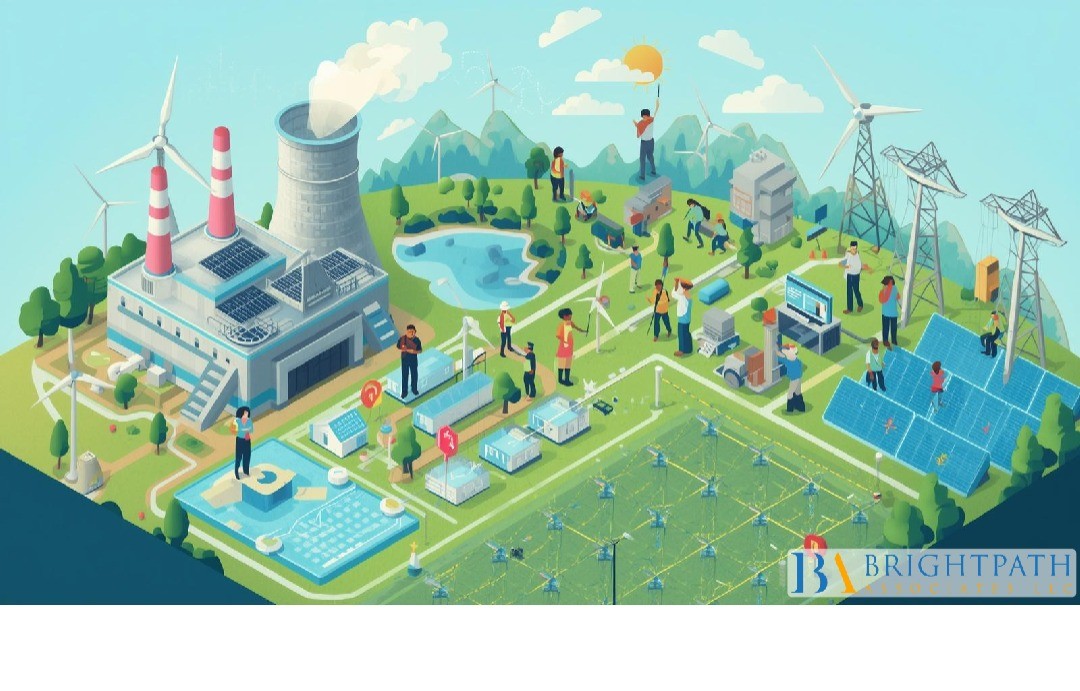
The #UtilityIndustry is undergoing a significant transformation driven by technological advancements, regulatory changes, and evolving consumer expectations. This transformation presents both challenges and opportunities for industry stakeholders. As we delve into the evolving landscape of utilities, we will explore the key trends, suitable utility solutions, and the role of innovation in digital transformation utilities. We will also examine the influence of renewable energy strategies and the importance of executive search recruitment in navigating these changes.
Utility Industry Trends: Navigating Change
The utility industry is witnessing a paradigm shift, influenced by multiple factors. One of the most notable trends is the increasing emphasis on digital transformation utilities. As technology continues to evolve, utilities are adopting digital tools and platforms to enhance operational efficiency, improve customer engagement, and reduce costs. This trend is not only about incorporating new technology but also about redefining business models to better meet the needs of the modern consumer.
Another significant trend is the integration of renewable energy utilities. With growing concerns about climate change and the need for sustainable energy sources, utilities are increasingly investing in renewable energy strategies. This shift is driven by both regulatory mandates and consumer demand for cleaner energy options. As a result, utilities are exploring various renewable energy solutions, such as solar, wind, and hydropower, to diversify their energy portfolios and reduce carbon footprints.
Suitable Utility Solutions: Meeting Consumer Demands
In response to these trends, utilities are developing suitable utility solutions to address the needs of their customers while maintaining operational efficiency. One approach is the implementation of smart grid technologies, which enable more efficient energy distribution and consumption monitoring. Smart grids facilitate real-time data collection and analysis, allowing utilities to optimize energy flow and reduce outages.
Moreover, #EnergyStorageSolutions are becoming increasingly essential in managing the intermittent nature of renewable energy sources. By investing in advanced battery technologies and other storage solutions, utilities can store excess energy generated during peak production times and release it during periods of high demand. This capability not only enhances grid stability but also supports the integration of more renewable energy utilities into the overall energy mix.
Utility Technology Innovation: Driving Progress
Innovation is at the heart of the utility industry’s evolution. Utility technology innovation is crucial for addressing the challenges posed by aging infrastructure, regulatory compliance, and evolving consumer expectations. One area of significant innovation is the development of advanced metering infrastructure (AMI). AMI allows utilities to collect detailed consumption data, enabling more accurate billing and personalized energy management services for consumers.
Additionally, the rise of the Internet of Things (IoT) has opened new avenues for utilities to improve service delivery and operational efficiency. IoT devices enable real-time monitoring of infrastructure, predictive maintenance, and enhanced asset management, which can lead to cost savings and improved reliability.
Utility Consulting Services: Guiding Transformation
As utilities navigate the complexities of this evolving landscape, utility consulting services play a pivotal role in providing expert guidance and strategic insights. These services help utilities identify opportunities for growth, optimize operations, and implement effective utility technology innovation. Consulting firms offer a range of services, including market analysis, regulatory compliance support, and strategic planning, to help utilities stay competitive in a rapidly changing environment.
Furthermore, utility consulting services assist in the development and execution of #RenewableEnergyStrategies. By leveraging their expertise, consultants can help utilities assess the feasibility of various renewable energy projects, secure funding, and navigate regulatory hurdles.
Energy Storage Solutions: Enhancing Grid Reliability
Energy storage solutions are a critical component of the utility industry’s transition to renewable energy. As more utilities incorporate renewable energy utilities into their portfolios, the need for effective energy storage becomes increasingly important. Energy storage technologies, such as lithium-ion batteries and pumped hydro storage, provide the flexibility needed to balance supply and demand, ensuring grid reliability.
In addition to supporting renewable energy integration, energy storage solutions can also enhance resilience against extreme weather events and other disruptions. By providing backup power and stabilizing the grid, these solutions contribute to a more reliable and sustainable energy system.
Digital Transformation Utilities: Embracing the Future
#DigitalTransformation utilities represent a shift towards more agile, customer-centric business models. By embracing digital technologies, utilities can improve customer service, streamline operations, and reduce costs. Key aspects of digital transformation include the adoption of cloud computing, data analytics, and automation.
Cloud computing enables utilities to store and process vast amounts of data, facilitating real-time decision-making and enhancing operational efficiency. Data analytics, on the other hand, allow utilities to gain valuable insights into consumer behavior, optimize energy usage, and identify potential areas for improvement.
Automation, including the use of artificial intelligence and machine learning, further enhances the capabilities of digital transformation utilities. These technologies enable utilities to automate routine tasks, improve asset management, and enhance predictive maintenance, ultimately leading to cost savings and improved service delivery.
Utilities and Renewable Energy: A Symbiotic Relationship
The relationship between utilities and renewable energy is symbiotic, with each driving the other’s growth and development. As utilities invest in renewable energy utilities, they play a crucial role in advancing the adoption of clean energy technologies. This investment not only helps utilities meet regulatory requirements but also aligns with consumer preferences for sustainable energy sources.
Renewable energy strategy is essential for utilities looking to diversify their energy mix and reduce their environmental impact. By incorporating renewable energy solutions, such as solar and wind power, utilities can decrease their reliance on fossil fuels, lower greenhouse gas emissions, and contribute to a more sustainable energy future.
Renewable Energy Strategy: Paving the Way Forward
A well-defined renewable energy strategy is vital for utilities aiming to achieve sustainability goals and enhance their competitive edge. This strategy involves assessing the potential of various renewable energy sources, securing funding, and navigating regulatory frameworks. Utilities must also consider the integration of energy storage solutions to ensure a stable and reliable energy supply.
#StrategicPartnerships with technology providers, government agencies, and other stakeholders can further enhance the effectiveness of renewable energy strategies. By collaborating with these entities, utilities can leverage shared resources, knowledge, and expertise to accelerate the transition to a sustainable energy future.
Executive Search Recruitment: Building the Workforce of Tomorrow
As the utility industry evolves, the need for skilled professionals who can drive innovation and transformation becomes increasingly important. #ExecutiveSearchRecruitment plays a critical role in identifying and attracting top talent to fill key leadership positions within utilities. These leaders are essential for guiding the development and implementation of suitable utility solutions and renewable energy strategies.
Recruitment efforts should focus on candidates with expertise in utility technology innovation, digital transformation utilities, and renewable energy. By building a diverse and skilled workforce, utilities can better navigate the challenges and opportunities of the evolving landscape.
Conclusion
The evolving landscape of utilities presents both challenges and opportunities for industry stakeholders. With trends like digital transformation utilities and the integration of renewable energy utilities shaping the future, utilities must adopt suitable utility solutions and embrace innovation to stay competitive. Utility consulting services, energy storage solutions, and executive search recruitment are integral to navigating this transformation and ensuring a sustainable, reliable energy future. As utilities continue to adapt to these changes, they will play a crucial role in driving the transition to a cleaner, more sustainable energy landscape.
Find your next leadership role in Utilities Industry today!
Stay informed with the latest insights on Utilities Industry!