
Introduction
In the ever-evolving landscape of agriculture, the integration of technology has become a pivotal factor in driving efficiency, productivity, and sustainability. As C-suite executives in the agricultural sector, understanding and implementing #FarmAutomation can result in significant advancements in food production, sustainable farming, and agricultural sustainability. This guide delves into the various aspects of optimizing farm automation, providing insights into how agricultural technology can be harnessed to transform your operations.
The Role of Agricultural Technology
Agricultural technology has revolutionized the way farming is conducted. From precision agriculture to digital farming, technological innovations are reshaping the industry. Precision agriculture, for instance, utilizes data-driven insights to enhance crop yields and reduce waste. By employing sensors and GPS technology, farmers can monitor crop health, soil conditions, and weather patterns in real time, allowing for informed decision-making and efficient resource management.
Digital farming, on the other hand, incorporates the use of farm management software to streamline operations. This software enables farmers to track and manage every aspect of their farm, from inventory and labor to finances and equipment maintenance. By automating these processes, farms can reduce operational costs and improve overall productivity. For C-suite executives, investing in agricultural technology is not just about keeping up with trends—it’s a strategic move to ensure long-term success and competitiveness in the market.
Enhancing Food Production Through Automation
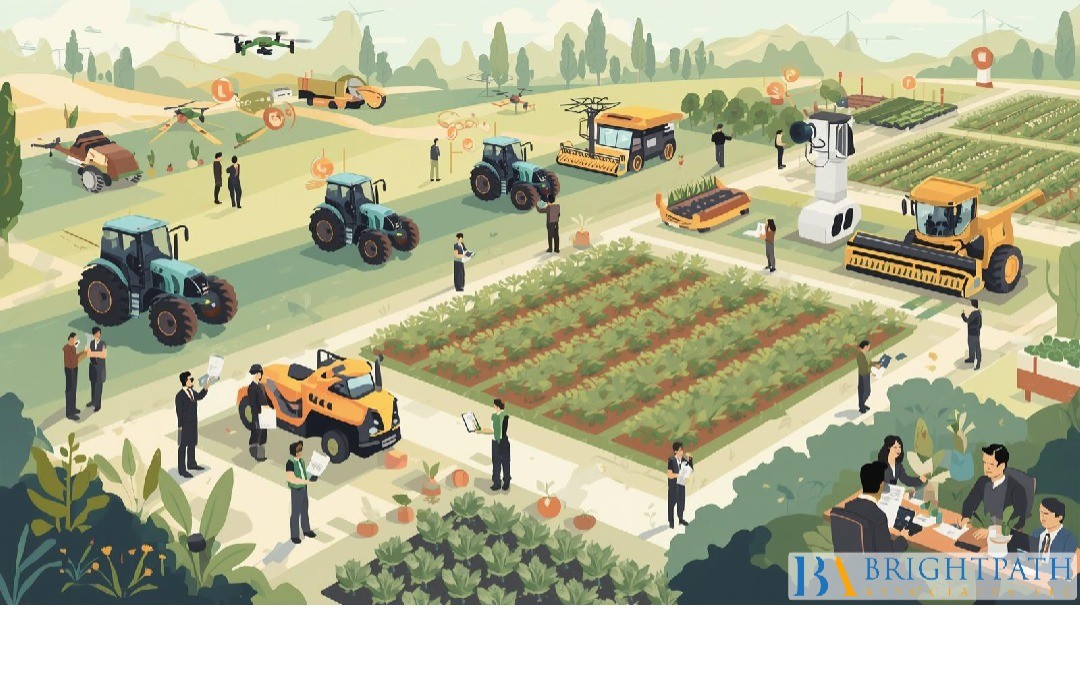
The global demand for food is on the rise, and optimizing food production is crucial to meet this demand. Automation in agriculture plays a significant role in increasing food production efficiency. #AutomatedMachinery, such as drones and autonomous tractors, can perform tasks like planting, harvesting, and spraying with precision and speed, reducing the reliance on manual labor and minimizing human error.
Furthermore, robotic systems are being developed to handle delicate tasks such as fruit picking, which traditionally required skilled human labor. These robots are equipped with advanced sensors and machine learning algorithms to identify and harvest ripe produce without causing damage. By integrating such technologies, farms can significantly boost their output while maintaining high-quality standards.
Sustainable Farming: A Necessity for the Future
Sustainable farming is no longer just an option—it’s a necessity for ensuring the longevity of our planet’s resources. Farm automation contributes significantly to sustainable agriculture by optimizing resource utilization and minimizing environmental impact. Precision irrigation systems, for example, use sensors to deliver the exact amount of water needed by crops, reducing water waste and preventing soil erosion.
Additionally, agricultural technology facilitates organic farming practices by providing tools to monitor and control pest populations without relying on harmful chemicals. By promoting biodiversity and enhancing soil health, organic farming contributes to a more sustainable agricultural ecosystem. For C-suite executives, investing in sustainable agriculture is not only an ethical decision but also a smart business strategy to attract environmentally conscious consumers and investors.
Agricultural Innovation: Driving Change and Growth
#AgriculturalInnovation is at the heart of farm automation. The continuous development of advanced technologies is driving change and growth in the industry. One area of innovation is the use of artificial intelligence (AI) and machine learning to analyze vast amounts of agricultural data. These technologies can predict crop diseases, optimize planting schedules, and even automate complex decision-making processes.
Moreover, the development of blockchain technology is transforming supply chain management in agriculture. By providing a transparent and secure way to trace the journey of food from farm to table, blockchain enhances food safety and builds consumer trust. For executives, embracing agricultural innovation is key to staying ahead of the competition and fostering a culture of continuous improvement within their organizations.
Sustainable Agriculture Investment: A Strategic Approach
Investing in sustainable agriculture is not only beneficial for the environment but also presents lucrative opportunities for businesses. Sustainable agriculture investment focuses on funding projects that promote environmental stewardship, social responsibility, and economic viability. This includes supporting the development of renewable energy sources, such as solar and wind power, to reduce farms’ carbon footprints.
Furthermore, investing in research and development of new agricultural technologies can lead to significant returns. As the demand for sustainable food production grows, companies that prioritize sustainable agriculture investment are likely to see increased profitability and market share. For C-suite executives, aligning investment strategies with sustainability goals is essential for long-term success and resilience in the agricultural industry.
The Impact of Farm Management Software
#FarmManagement software is a critical component of farm automation, offering comprehensive solutions for managing all aspects of agricultural operations. This software provides real-time data analytics, helping farmers make informed decisions about crop management, resource allocation, and market strategies. By automating administrative tasks, farm management software allows farmers to focus on strategic planning and innovation.
In addition, farm management software facilitates better communication and collaboration among team members, enhancing overall operational efficiency. For executives, implementing such software is a step towards modernizing their agricultural practices and improving competitiveness in a rapidly changing market.
Agricultural Sustainability: Meeting Global Challenges
As the world faces challenges such as climate change, population growth, and dwindling natural resources, agricultural sustainability has become a critical focus. Farm automation offers solutions to these global challenges by promoting efficient resource use, reducing greenhouse gas emissions, and preserving biodiversity. For instance, automated systems can optimize fertilizer application, reducing nutrient runoff into water bodies and preventing environmental pollution.
Moreover, sustainable farming practices supported by technology can enhance soil health and increase resilience to climate variability. For C-suite executives, prioritizing agricultural sustainability is essential for addressing global challenges while ensuring the long-term viability of their operations.
Executive Search Recruitment: Finding the Right Talent
The successful implementation of farm automation requires skilled professionals who can navigate the complexities of agricultural technology. #ExecutiveSearchRecruitment plays a crucial role in identifying and attracting top talent with expertise in digital farming, precision agriculture, and sustainable farming practices. By hiring individuals with the right skills and experience, organizations can drive innovation and maintain a competitive edge.
#RecruitmentStrategies should focus on finding candidates who are not only technically proficient but also aligned with the company’s sustainability goals and values. For C-suite executives, investing in executive search recruitment is a strategic move to build a strong leadership team capable of navigating the challenges and opportunities in the agricultural sector.
In conclusion, optimizing farm automation is a multifaceted endeavor that requires strategic planning, investment, and the right talent. By embracing agricultural technology, enhancing food production, promoting sustainable farming, and prioritizing agricultural innovation, C-suite executives can position their organizations for success in a rapidly changing industry. Sustainable agriculture investment and the implementation of farm management software further contribute to achieving long-term goals, ensuring that farms remain competitive and resilient in the face of global challenges.
Find your next leadership role in Farming Industry today!