
Introduction
The #RailroadManufacturingIndustry in the United States is a pivotal component of the nation’s transportation infrastructure. It plays a crucial role in connecting industries, facilitating trade, and supporting economic growth. This guide delves into the intricacies of the industry, examining the current outlook, key players, innovations, and opportunities for the future.
Railroad Manufacturing Industry Outlook
The railroad manufacturing industry outlook is shaped by a variety of factors, including economic conditions, technological advancements, and regulatory changes. In recent years, there has been a renewed focus on modernizing America’s rail infrastructure, driven by the need to enhance efficiency and reduce carbon emissions. This has led to significant investments in both freight and passenger rail systems.
The demand for locomotives and railcars is expected to rise as the economy continues to grow. Additionally, government initiatives aimed at improving public transportation and reducing road congestion are likely to support further expansion of the industry. However, challenges such as fluctuating raw material costs and competition from other modes of transport remain.
Top Railroad Manufacturing Companies in the US
The United States is home to several leading railroad manufacturing companies that have established themselves as central players in the global market. Among these, General Electric Transportation, a division of Wabtec Corporation, is renowned for its innovative locomotive designs and advanced technology solutions. #ProgressRail, a Caterpillar company, is another major player, known for its comprehensive rail solutions and focus on sustainability.
Trinity Industries and Greenbrier Companies are prominent in the railcar manufacturing sector, producing a wide range of vehicles tailored to specific needs. These companies not only contribute significantly to the US manufacturing industry but also play a vital role in shaping the global rail landscape.
Rail Industry Innovations
In the rail industry, innovations are crucial for maintaining competitiveness and meeting the evolving demands of customers. Recent years have seen a surge in technological advancements aimed at improving the safety, efficiency, and sustainability of rail operations.
One of the key innovations is the development of autonomous trains. These trains are equipped with advanced sensors and control systems, allowing for precise navigation and operation without human intervention. This technology promises to enhance safety while reducing operational costs.
Another significant innovation is the use of data analytics to optimize rail operations. By analyzing data from various sources, rail companies can make informed decisions about maintenance schedules, route optimization, and resource allocation, leading to improved efficiency and reduced downtime.
Rail Technology Advancements
Rail technology advancements are transforming the industry, providing new opportunities for growth and development. The adoption of Internet of Things (IoT) technology has been a game-changer, enabling real-time monitoring of rail assets and infrastructure. This has led to improved maintenance practices and enhanced safety standards.
The integration of artificial intelligence (AI) and #MachineLearning into rail systems is another advancement poised to revolutionize the industry. These technologies enable predictive maintenance, which helps prevent equipment failures and reduces costs associated with repairs and downtime.
Moreover, advancements in materials science have led to the development of lighter and more durable materials for rail equipment. This not only improves fuel efficiency but also extends the lifespan of railcars and locomotives.
Railroad Manufacturing
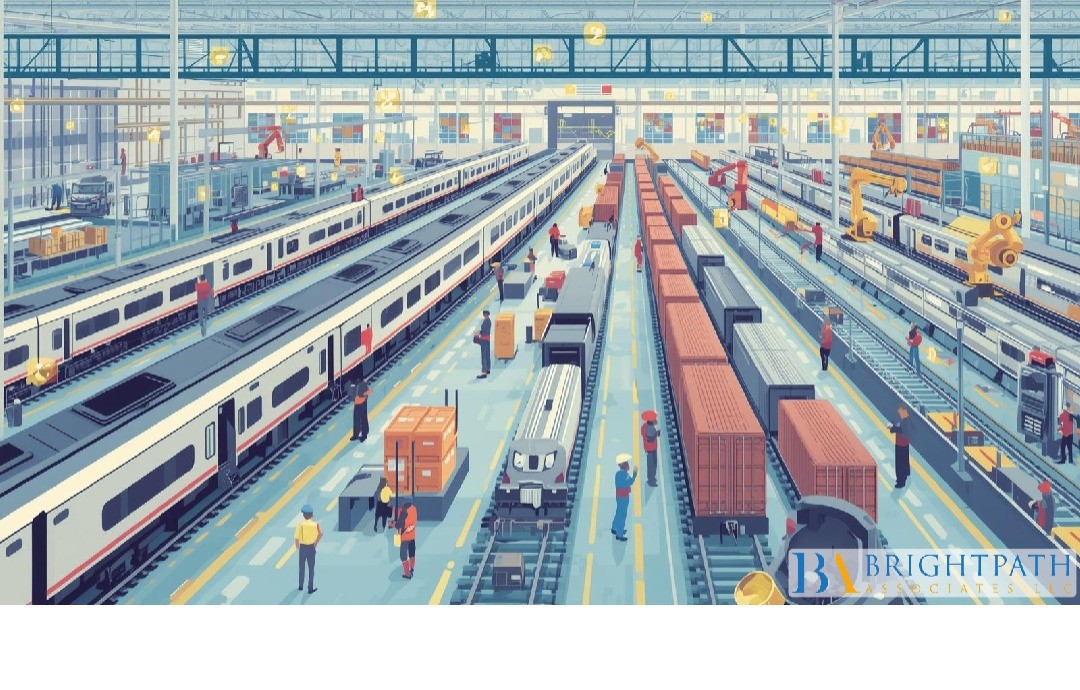
Railroad manufacturing involves the production of a wide range of components, from locomotives to railcars and signaling systems. The complexity of these products requires a high degree of precision and expertise, making advanced manufacturing techniques essential.
Manufacturers are increasingly adopting automation and robotics to enhance production efficiency and maintain high quality standards. This shift towards advanced manufacturing enables companies to meet the growing demand for rail products while maintaining cost-effectiveness.
Additionally, the focus on sustainability has led to innovations in manufacturing processes, with companies exploring the use of recycled materials and energy-efficient production methods to minimize environmental impact.
Rail Industry Risk Management
In the rail industry, risk management is a critical aspect of operations. Companies must navigate a variety of risks, from safety concerns to financial uncertainties, to ensure the smooth functioning of rail networks.
Safety remains the top priority, with rail companies implementing rigorous safety protocols and investing in state-of-the-art technology to prevent accidents. Risk management strategies also involve comprehensive training programs for employees, ensuring they are equipped to handle emergencies and maintain safety standards.
#FinancialRiskManagement is another key area, with companies employing strategies to mitigate the impact of market fluctuations and economic downturns. This includes diversifying revenue streams and investing in innovative solutions to remain competitive.
Locomotive Manufacturing
Locomotive manufacturing is a specialized segment of the railroad manufacturing industry that requires a blend of engineering expertise and advanced technology. The demand for more efficient and environmentally friendly locomotives has driven innovation in this field.
Manufacturers are focusing on developing locomotives that offer greater fuel efficiency and reduced emissions. This includes the adoption of hybrid and electric propulsion systems, which align with global efforts to combat climate change.
Furthermore, the integration of digital technology into locomotives has enhanced their operational capabilities. Features such as remote diagnostics and real-time performance monitoring allow for proactive maintenance and improved reliability.
US Manufacturing Industry
The railroad manufacturing sector is a vital part of the broader US manufacturing industry, contributing significantly to employment and economic output. The industry’s health is closely tied to the nation’s economic performance, with fluctuations in demand for rail products reflecting broader #EconomicTrends.
Efforts to revitalize the US manufacturing industry have focused on fostering innovation and competitiveness. This includes investments in research and development, workforce training, and infrastructure improvements, all of which support the growth of the railroad manufacturing sector.
Advanced Manufacturing
Advanced manufacturing techniques are redefining the landscape of railroad manufacturing. These techniques involve the use of cutting-edge technology and processes to enhance production efficiency and product quality.
3D printing is one such technique that is gaining traction in the industry. It allows for rapid prototyping and the production of complex components with precision, reducing lead times and costs.
Automation and robotics are also playing an increasingly important role in manufacturing, streamlining production processes and minimizing human error. These advancements enable manufacturers to produce high-quality rail products at scale, meeting the demands of a growing market.
Railroad Equipment Manufacturers
#RailroadEquipment manufacturers are essential to the industry, providing the components and systems necessary for the operation of rail networks. These manufacturers produce a wide range of products, from track components to signaling systems and railcars.
The focus on innovation and quality is paramount, with manufacturers investing in research and development to create products that meet the highest standards of safety and performance. This commitment to excellence ensures that the US remains a leader in the global rail industry.
Executive Search Recruitment
The success of the railroad manufacturing industry hinges on its ability to attract and retain top talent. #ExecutiveSearchRecruitment plays a crucial role in this process, helping companies identify and secure leaders with the expertise needed to drive growth and innovation.
As the industry evolves, the demand for executives with skills in areas such as technology, engineering, and risk management continues to grow. Executive search recruitment firms specialize in matching companies with candidates who possess the technical knowledge and leadership qualities required to navigate the challenges and opportunities of the modern rail industry.
In conclusion, the railroad manufacturing industry in the United States is poised for growth, driven by technological advancements, increased investment, and a focus on sustainability. By embracing innovation and implementing effective risk management strategies, the industry can continue to thrive and play a pivotal role in the nation’s economic landscape.
Find your next leadership role in Railroad Industry today!
Stay informed with the latest insights on Railroad Industry!