
Introduction
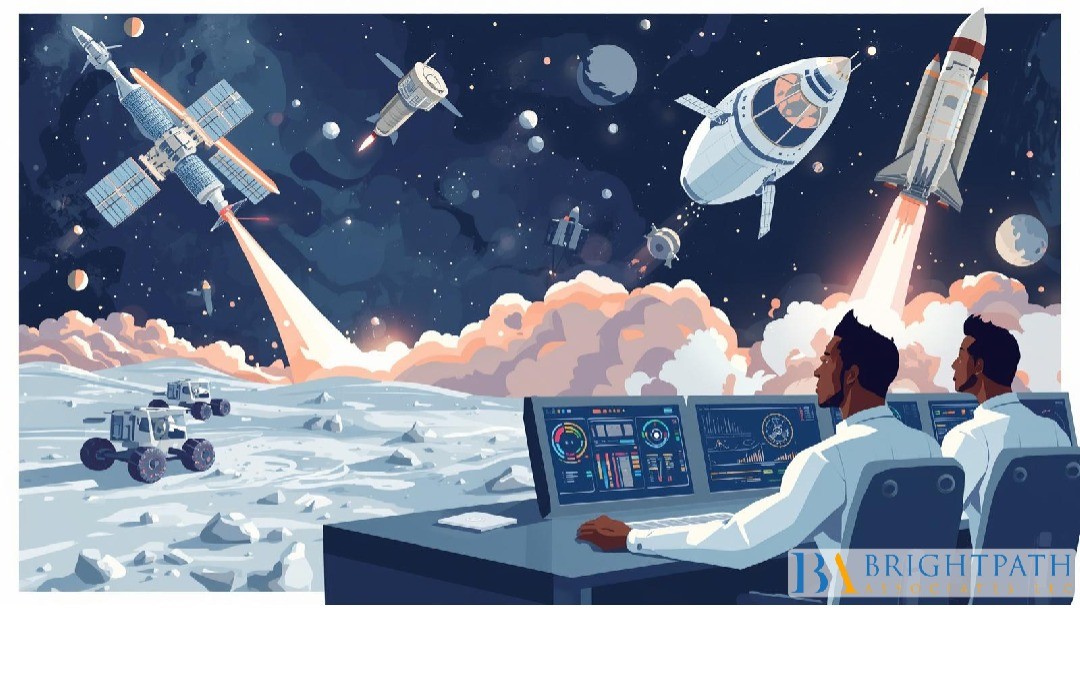
The #SpaceIndustry, once the domain of superpower governments, has evolved into a dynamic and rapidly expanding sector. It is now characterized by technological innovation, commercial enterprise, and a globalized reach. This transformation is driven by several key trends, each reshaping the landscape and prospects of space exploration and utilization. From advancements in aerospace engineering solutions to the rise of aerospace startups, the industry is poised for growth unlike any seen before.
The Rise of Commercial Space Ventures
In recent decades, there has been a significant shift towards the commercialization of space. Private companies, led by visionary entrepreneurs, have begun to play a pivotal role. This new era is marked by the successes of companies such as SpaceX, Blue Origin, and Virgin Galactic, which have pushed the boundaries of what is possible in space travel and exploration. Their ventures are not only reshaping the market but also making space more accessible.
Aerospace Startups and Innovation
The emergence of #AerospaceStartups has injected fresh innovation into the industry. These agile companies are developing cutting-edge space exploration technology, from reusable rockets to advanced satellite systems. Such innovations are essential, as they reduce costs and increase the viability of long-term space missions. Furthermore, these startups often collaborate with established aircraft manufacturing companies in the USA, leveraging their experience and resources to accelerate technological advancements.
Technological Advancements and Aerospace Engineering Solutions
The development of new aerospace engineering solutions has been crucial in overcoming the challenges of space exploration. Innovations such as artificial intelligence, machine learning, and automation are being integrated to enhance spacecraft design, operation, and maintenance. These technologies are not only pivotal in space missions but also influence commercial aviation market trends by improving efficiency and safety.
Aviation Safety Management Systems
In parallel, the #AviationIndustry has prioritized safety through the implementation of sophisticated Aviation Safety Management Systems. These systems are designed to identify potential hazards, manage risks, and ensure compliance with FAA regulations for aviation. By aligning space exploration efforts with these robust safety management practices, the industry can mitigate risks and enhance overall mission success.
The Global Aerospace Supply Chain
As the space industry expands, so does its dependence on a complex global aerospace supply chain. The supply chain encompasses a diverse network of suppliers, manufacturers, and logistics providers. This interconnected system ensures the timely and efficient delivery of aerospace components and materials, which are critical for aircraft manufacturing companies in the USA and beyond.
Aerospace Supply Chain Management Challenges
Managing this intricate #SupplyChain poses several challenges. Companies must navigate geopolitical tensions, trade policies, and fluctuating market demands. Effective aerospace supply chain management requires a strategic approach to sourcing, inventory management, and logistics optimization. By embracing digital solutions and fostering robust partnerships, industry players can enhance resilience and adaptability in this ever-evolving environment.
The Defense Aviation Industry’s Role
While commercial ventures gain momentum, the defense aviation industry remains a cornerstone of the aerospace sector. Governments continue to invest heavily in defense-related aerospace projects to maintain national security and technological superiority. This sector’s demands drive innovation and foster collaboration with commercial entities, further blurring the lines between defense and civilian aerospace initiatives.
Executive Search Recruitment in Aerospace
The growth of the space industry necessitates a skilled workforce. #ExecutiveSearchRecruitment has become a critical component in identifying and attracting top talent. The demand for professionals with expertise in aerospace engineering, project management, and logistics is increasing as companies strive to maintain competitiveness and innovation.
Regulatory Frameworks and FAA Regulations for Aviation
Regulatory frameworks play a vital role in shaping the future of the space industry. The Federal Aviation Administration (FAA) and other international bodies establish guidelines and standards to ensure safety, security, and efficiency in aerospace operations. Compliance with FAA regulations for aviation is mandatory, and industry stakeholders must stay informed about policy changes and advancements.
Navigating Regulatory Challenges
Adhering to these regulations can be challenging, particularly for new entrants such as aerospace startups. However, compliance is essential to #BuildingTrust and credibility with investors, partners, and customers. The regulatory landscape is continuously evolving, and proactive engagement with regulatory bodies can help companies anticipate changes and adapt accordingly.
Commercial Aviation Market Trends
The commercial aviation market is witnessing a transformation driven by technological advancements and changing consumer preferences. Airlines are increasingly investing in fuel-efficient aircraft and sustainable aviation practices. This shift is influenced by both environmental concerns and economic considerations, as companies strive to reduce operational costs and emissions.
Sustainable Aviation Initiatives
Sustainability has become a key focus for the aviation industry. Innovations in aircraft design, alternative fuels, and operational efficiencies are being pursued to minimize environmental impact. #AircraftManufacturingCompanies in the USA are at the forefront of these efforts, developing new technologies and practices that align with global sustainability goals.
Future Prospects and Space Exploration Technology
As we look to the future, space exploration technology continues to be a driving force behind the industry’s expansion. Ambitious initiatives, such as missions to Mars and the establishment of lunar bases, are being pursued by both government agencies and private entities. These efforts promise to unlock new opportunities for scientific discovery, resource utilization, and human settlement beyond Earth.
The Potential of Space Tourism
One of the most exciting prospects is the potential for #SpaceTourism. Companies are developing spacecraft capable of transporting civilians to the edge of space, offering a unique and exhilarating experience. While still in its infancy, space tourism holds the promise of democratizing access to space, allowing more people to witness the wonders of the cosmos firsthand.
Conclusion
The space industry is at a pivotal juncture, poised for unprecedented growth and innovation. Driven by advancements in aerospace engineering solutions, the rise of aerospace startups, and the integration of commercial and defense aviation sectors, the industry is transforming in remarkable ways. As technology continues to evolve, so too will the opportunities for exploration, discovery, and utilization of space. By embracing these trends and addressing the challenges ahead, the space industry will undoubtedly play a crucial role in shaping the future of humanity.
Find your next leadership role in Aviation and Aerospace Industry today!
Stay informed with the latest insights on Aviation and Aerospace Industry!