
Introduction
In an era characterized by rapid technological advances and ever-evolving market dynamics, the #TextileIndustry is facing an array of challenges. A resilient supply chain is crucial to navigating these complexities and ensuring the sector’s sustainability and growth. This necessitates a comprehensive understanding of the textile supply chain, the adoption of advanced textile manufacturing technologies, and strategic planning by executive leadership in textiles. This article delves into the various aspects of building a resilient supply chain in the textile industry, exploring industrial insights and innovative strategies.
Understanding the Textile Supply Chain
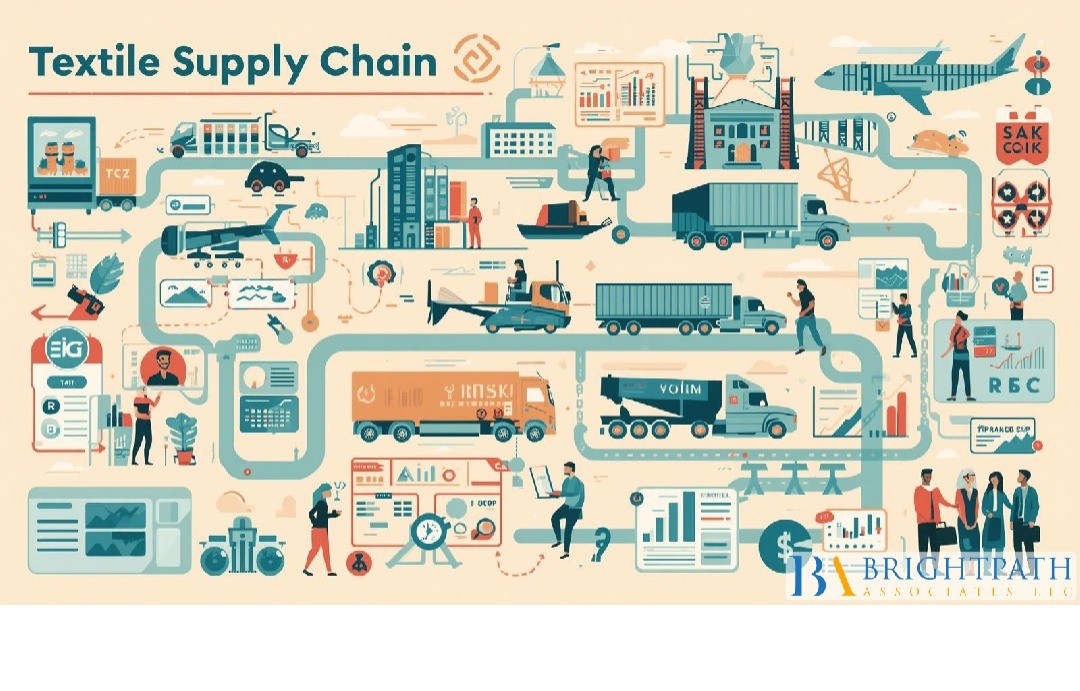
The textile supply chain encompasses multiple stages, from raw material procurement to manufacturing, distribution, and retail. Each phase presents unique challenges and risks that need to be mitigated for seamless operations. The textile supply chain is highly susceptible to disruptions due to its reliance on global networks and fluctuating demand patterns. To build resilience, companies must focus on enhancing transparency and agility across the supply chain. Leveraging textile industry data analytics can provide valuable insights into market trends and consumer behavior, enabling businesses to anticipate changes and adapt swiftly.
Advanced Textile Manufacturing Technologies
#TechnologicalAdvancements are transforming the textile industry, offering new opportunities for innovation and efficiency. Advanced textile manufacturing technologies, such as 3D knitting, digital printing, and fabric automation, are redefining production processes. These technologies not only enhance product quality and reduce waste but also shorten lead times, thereby improving supply chain responsiveness. Embracing these innovations requires investment in research and development, as well as upskilling the workforce to handle sophisticated machinery. By integrating cutting-edge technologies, textile companies can create a more flexible and resilient supply chain.
Role of Executive Leadership in Textiles
Strong executive leadership in textiles is pivotal to navigating the complexities of the modern supply chain. Leaders must possess a strategic vision that aligns with the ever-changing market landscape. Textile business strategic planning involves identifying potential risks, establishing robust risk management frameworks, and fostering a culture of innovation. Executives must also prioritize sustainability initiatives, recognizing the growing consumer demand for eco-friendly products. By promoting ethical practices and sustainable sourcing, leaders can strengthen their company’s reputation and build consumer trust, which are essential components of a resilient supply chain.
Textile Industry Investment Trends
#InvestmentTrends in the textile industry are shifting towards sustainability and technological advancements. Investors are increasingly focusing on companies that demonstrate a commitment to environmental stewardship and social responsibility. This shift is driving the development of sustainable materials and processes, such as organic cotton and recycled fibers. Additionally, investments in smart manufacturing and automation are gaining traction, as they promise to enhance productivity and reduce costs. Companies that align their strategies with these investment trends are likely to experience long-term growth and resilience.
Leveraging Textile Industry Data Analytics
In today’s data-driven world, leveraging textile industry data analytics is essential for making informed decisions and optimizing supply chain operations. Advanced analytics tools enable businesses to track performance metrics, identify inefficiencies, and forecast demand with greater accuracy. By analyzing historical data and market trends, companies can identify patterns and anticipate potential disruptions. This proactive approach allows businesses to implement contingency plans and mitigate risks before they escalate. Data analytics also plays a crucial role in enhancing customer experiences by enabling personalized marketing and product recommendations.
Textile Industry Blockchain Applications
#BlockchainTechnology is emerging as a game-changer in enhancing transparency and traceability within the textile supply chain. By providing a decentralized and tamper-proof ledger, blockchain ensures that every transaction is recorded and verified. This transparency reduces the risk of fraud and counterfeiting, while also improving accountability. Blockchain applications in the textile industry extend beyond supply chain management, offering opportunities for smart contracts and secure payment systems. As the technology matures, its adoption is expected to increase, contributing to a more secure and resilient supply chain.
Addressing Global Textile Industry Geopolitical Risks
The global nature of the textile industry exposes it to various geopolitical risks, such as trade disputes, tariffs, and political instability. These risks can disrupt supply chains, leading to delays and increased costs. To mitigate such risks, companies must diversify their sourcing strategies and establish strong relationships with multiple suppliers across different regions. Additionally, businesses should stay informed about geopolitical developments and leverage textile industry data analytics to assess potential impacts on their operations. By adopting a proactive approach, companies can navigate geopolitical risks and protect their supply chains.
Cognitive Automation in Textile Logistics
#CognitiveAutomation is revolutionizing textile logistics by enhancing efficiency and reducing human error. This technology utilizes artificial intelligence and machine learning to automate routine tasks, such as inventory management, order processing, and transportation scheduling. By streamlining these processes, cognitive automation reduces lead times and improves supply chain agility. Furthermore, the technology can analyze vast amounts of data in real-time, enabling businesses to make data-driven decisions and respond swiftly to changes. As cognitive automation becomes more prevalent, it will play a crucial role in building a resilient textile supply chain.
Textile Industry Closed-Loop Systems
Closed-loop systems are gaining attention as a sustainable approach to textile production and waste management. These systems aim to minimize waste by recycling and reusing materials within the production cycle. By implementing closed-loop systems, companies can reduce their environmental impact and conserve resources. This approach aligns with the growing consumer demand for sustainable products and supports the industry’s transition towards a circular economy. Closed-loop systems not only enhance sustainability but also contribute to supply chain resilience by reducing dependency on raw materials and mitigating risks associated with resource scarcity.
The Importance of Executive Search Recruitment
In the face of evolving industry dynamics, #ExecutiveSearchRecruitment is essential for identifying and attracting top talent to lead textile companies. The right leadership is critical to driving innovation, managing risks, and executing strategic initiatives. Recruitment efforts should focus on individuals with a deep understanding of the textile supply chain and a vision for sustainable growth. By prioritizing executive search recruitment, companies can ensure they have the leadership necessary to navigate challenges and seize opportunities in the ever-changing textile landscape.
In conclusion, building a resilient supply chain in the textile industry requires a multifaceted approach that encompasses technological innovation, strategic leadership, and sustainable practices. By leveraging advanced textile manufacturing technologies, data analytics, and blockchain applications, companies can enhance transparency and agility. Additionally, addressing geopolitical risks and embracing cognitive automation will further strengthen supply chains. The adoption of closed-loop systems and a commitment to executive search recruitment are also vital to achieving long-term resilience and success in the textile industry.
Find your next leadership role in Textile Industry today!