
Introduction
In the competitive world of manufacturing, efficiency is not just an advantage—it’s a necessity. As industries evolve, manufacturers are compelled to innovate and streamline their operations to remain viable. This paper explores various strategies for optimizing manufacturing operations and reducing costs, with a focus on industrial machinery, precision machining, and #IndustrialAutomation.
The Role of Industrial Machinery
Industrial machinery is the backbone of manufacturing operations. Machinery manufacturers are continuously advancing their technology to meet the growing demands of high-volume production and precision requirements. The key to enhancing manufacturing efficiency lies in investing in the right machinery that aligns with the production needs. For instance, precision machining tools ensure that parts are manufactured with exact specifications, reducing waste and rework.
Precision Machining and Its Impact
#PrecisionMachining is a critical aspect of manufacturing that emphasizes producing components with tight tolerances. This approach not only minimizes errors but also enhances the quality of the final product. By integrating precision machining into their operations, manufacturers can significantly reduce material waste and improve production speed. High-quality precision machining tools are essential for maintaining consistent output and ensuring that each component meets the required standards.
Embracing Industrial Automation
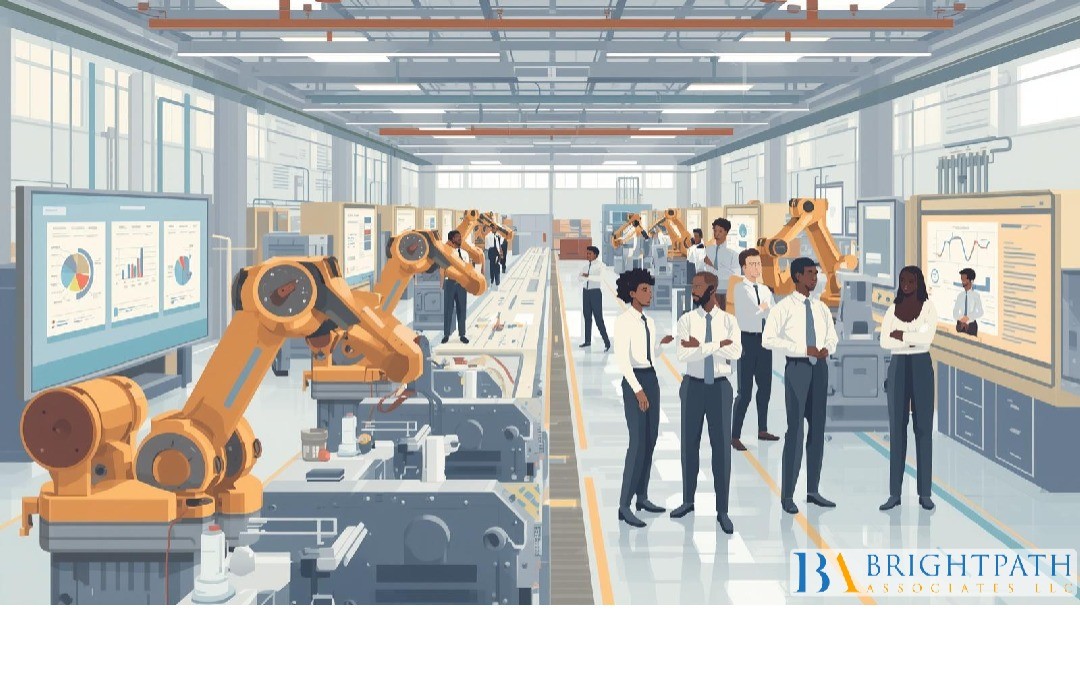
Industrial automation is transforming the manufacturing landscape by enabling operations to be faster, more efficient, and less reliant on human intervention. Automation technologies such as robotic arms, automated guided vehicles, and conveyor systems are increasingly being adopted to improve manufacturing efficiency. By reducing manual labor and optimizing processes, automation can lead to significant cost savings and increased productivity.
Benefits of Automation in Manufacturing
The integration of industrial automation offers numerous benefits. Firstly, it reduces the likelihood of human error, thus enhancing product quality. Secondly, it allows for 24/7 operations, increasing output without the need for additional workforce. Lastly, #AutomationFacilitates better data collection and analysis, enabling manufacturers to make informed decisions and further optimize their operations.
The Significance of Machinery Maintenance
While investing in advanced machinery is crucial, maintaining it is equally important. Machinery maintenance ensures that equipment operates at peak efficiency and reduces the likelihood of unexpected downtime. Regular maintenance schedules and predictive maintenance techniques can help detect potential issues before they become major problems.
Predictive Maintenance Techniques
#PredictiveMaintenance involves using data analytics and machine learning to predict when machinery might fail. By analyzing patterns and anomalies in machinery performance, manufacturers can schedule maintenance during non-peak hours, minimizing disruptions. This approach not only extends the lifespan of the machinery but also optimizes manufacturing jobs and resources.
CNC Machining: A Cornerstone of Modern Manufacturing
CNC (Computer Numerical Control) machining is a pivotal technology in modern manufacturing. It allows for the production of complex parts with high precision and repeatability. CNC machines are integral to many manufacturing processes, from automotive to aerospace, due to their ability to produce consistent and accurate parts.
Advantages of CNC Machining
The primary advantage of CNC machining is its ability to produce high-quality components with minimal human intervention. This reduces labor costs and improves production speed. Additionally, #CNCMachining offers flexibility in manufacturing, allowing for quick changes in design and production without significant downtime. This adaptability is crucial for manufacturers looking to stay competitive in a rapidly changing market.
The Market for Used Machinery
In an effort to reduce costs, many manufacturers are turning to the market for used machinery. This approach can be a cost-effective solution for companies looking to expand their operations without incurring the high costs of new equipment. However, purchasing used machinery requires careful consideration of the equipment’s condition and potential refurbishment needs.
Evaluating Used Machinery
When considering used machinery, manufacturers should conduct thorough inspections and possibly engage in machinery financing options. This includes assessing the #MachineHistory, functionality, and compatibility with existing systems. By doing so, manufacturers can ensure they are making a sound investment that will enhance their manufacturing efficiency.
Machinery Financing: A Strategic Approach
Machinery financing is a strategic approach that allows manufacturers to acquire necessary equipment without the immediate financial burden. Through various financing options, such as leasing or loan arrangements, companies can manage their cash flow more effectively while still investing in essential machinery.
Benefits of Machinery Financing
#FinancingMachinery can provide manufacturers with the flexibility to upgrade their equipment as needed. This flexibility is particularly beneficial in a rapidly evolving industry where technology advancements can quickly render machines obsolete. With the right financing strategy, manufacturers can keep their operations up-to-date and maintain a competitive edge.
Enhancing Manufacturing Jobs through Efficiency
Improving manufacturing efficiency not only reduces costs but also enhances job satisfaction and productivity. By optimizing operations, manufacturers can create a more engaging and dynamic work environment. Automation and precision machining can eliminate monotonous tasks, allowing workers to focus on more complex and rewarding activities.
The Future of Manufacturing Jobs
As manufacturing continues to evolve, the nature of manufacturing jobs will also change. Workers will need to adapt to new technologies and processes, acquiring skills in areas like CNC machining and machinery maintenance. This shift presents an opportunity for workforce development and #ExecutiveSearchRecruitment to find individuals who can drive innovation and efficiency.
Conclusion
Manufacturing efficiency is a multifaceted challenge that requires a strategic approach across various aspects of operations. From investing in advanced industrial machinery and precision machining to embracing industrial automation and effective machinery maintenance, manufacturers have numerous avenues to explore. By optimizing these areas, companies can reduce costs, improve productivity, and enhance their competitive position in the market. Through continuous innovation and strategic planning, the manufacturing industry can thrive in an ever-changing global economy.
Find your next leadership role in Machinery Industry today!
Stay informed with the latest insights on Machinery Industry!