
Introduction
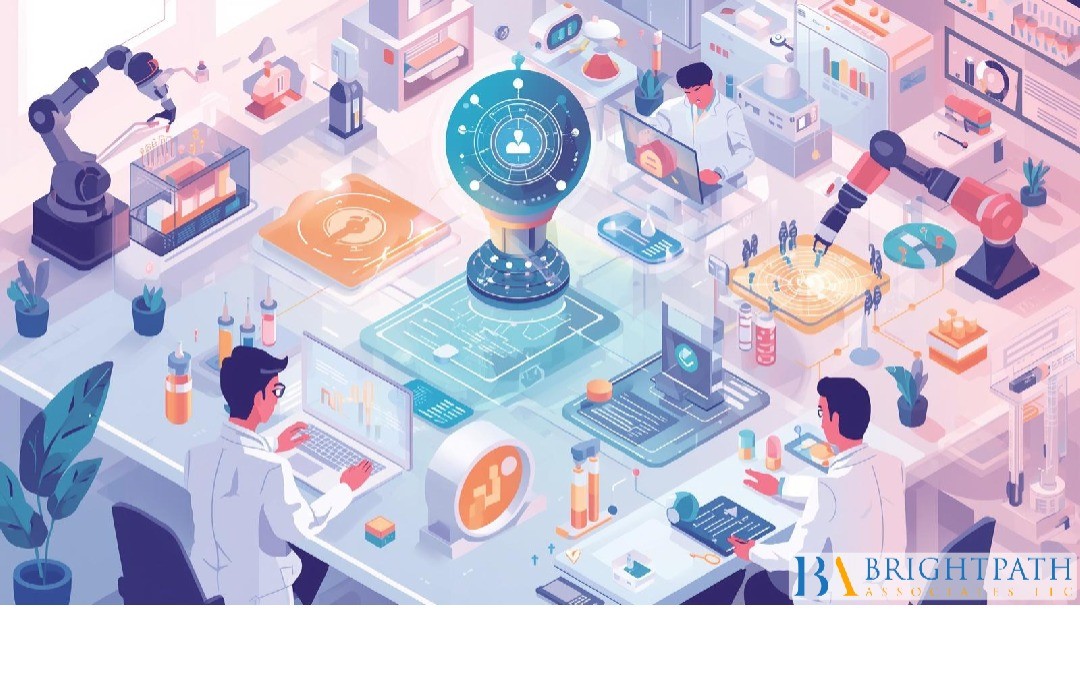
The #PharmaceuticalIndustry is a cornerstone of global healthcare, constantly evolving to meet the demands of modern society. As the landscape shifts, so too must the strategies of those within the industry. Adopting technology is no longer a choice but a necessity for staying ahead of the curve. This article explores how embracing technological advancements can influence pharmaceutical industry recruitment, enhance drug manufacturing, refine marketing strategies, and ultimately reshape the biopharmaceutical industry.
The Importance of Technology in Pharmaceutical Industry Recruitment
In the realm of pharmaceutical industry recruitment, technology plays a pivotal role. The sector requires a highly skilled workforce, adept at navigating both scientific complexities and regulatory landscapes. Pharmaceutical executive search recruitment processes have evolved with the advent of digital tools, allowing for more efficient and targeted searches. These tools utilize data analytics and artificial intelligence to streamline the identification of suitable candidates, thereby reducing time-to-hire and increasing the quality of placements.
Technology also facilitates better communication and collaboration across geographical boundaries, providing access to a global talent pool. Virtual interviews and remote working capabilities have become standard, ensuring that geographical constraints do not impede access to top-tier talent. As the industry continues to innovate, a tech-savvy workforce becomes increasingly integral, and recruitment strategies must adapt to this reality.
Revolutionizing Drug Manufacturing Companies in the US
#DrugManufacturingCompanies in the US are at the forefront of technological adoption, leveraging advancements to improve efficiency and product quality. Automation and robotics have significantly reduced human error and increased production speeds. These technologies enable pharmaceutical manufacturing companies to maintain consistency in drug quality while adhering to stringent regulatory standards.
Moreover, the integration of data-driven manufacturing processes allows for real-time monitoring and optimization. This capability is crucial for ensuring compliance and enhancing operational efficiency. Predictive analytics can foresee potential production issues, allowing for preemptive measures and minimizing costly downtime. As the industry gravitates towards personalized medicine, flexible manufacturing systems become increasingly vital, capable of adjusting to the production of small-batch, patient-specific treatments.
Enhancing Pharmaceutical Marketing Strategies
Pharmaceutical marketing strategy has undergone a transformative shift with the integration of digital platforms and data analytics. Traditionally reliant on face-to-face interactions, the industry now embraces digital marketing channels to reach healthcare professionals and consumers alike. This shift is driven by the need for targeted and personalized marketing efforts, which digital tools facilitate through sophisticated data analysis.
Social media and online platforms provide unprecedented opportunities for engagement and education. Through these channels, pharmaceutical companies can disseminate information about new treatments and initiatives, fostering an informed and engaged audience. Data-driven insights allow marketers to tailor messages to specific demographics, optimizing engagement and conversion rates.
Moreover, technology aids in measuring the effectiveness of marketing campaigns in real-time, enabling swift adjustments and maximizing return on investment. As regulatory environments evolve, digital marketing strategies must also adapt to ensure compliance while effectively communicating value propositions.
The Role of Machine Learning in the Biopharmaceutical Industry
#BiotechMachineLearning is at the cutting edge of innovation in the biopharmaceutical industry. Machine learning algorithms analyze vast datasets to uncover patterns and insights that were previously unattainable. This capability is revolutionizing drug discovery and development, significantly reducing the time and cost associated with bringing new therapies to market.
By predicting molecular interactions and identifying potential drug candidates, machine learning accelerates the initial phases of drug development. Furthermore, these algorithms can optimize clinical trial designs, enhancing patient selection and improving trial outcomes. This precision reduces the likelihood of trial failures and expedites the approval process.
In the realm of personalized medicine, machine learning is indispensable. It enables the analysis of genetic information to tailor treatments to individual patients, enhancing efficacy and minimizing adverse effects. The application of machine learning extends beyond drug development, impacting areas such as patient monitoring and disease management.
Conducting Pharmaceutical Industry Market Research
Pharmaceutical industry market research is a critical component of strategic planning, providing insights that guide decision-making processes. Technology has transformed how this research is conducted, with data analytics and artificial intelligence offering deeper and more accurate insights into market trends and consumer behavior.
Advanced analytics tools process vast amounts of data from various sources, including sales figures, prescription data, and patient outcomes. This data-driven approach allows companies to identify emerging trends, understand competitive dynamics, and anticipate market shifts. As a result, pharmaceutical companies can make informed decisions regarding product development, pricing strategies, and market entry.
In parallel, integrating #ExecutiveSearchRecruitment into this process allows organizations to align their talent strategy with market insights. By identifying and placing leaders who possess deep industry knowledge and data-driven decision-making capabilities, companies can more effectively translate market intelligence into actionable business strategies. This ensures that the right leadership is in place to drive customer-centric innovation, optimize market positioning, and sustain long-term competitive advantage.
The Future of Pharmaceutical Manufacturing Companies
The pharmaceutical manufacturing sector is poised for significant transformation as technology continues to evolve. Innovations such as continuous manufacturing, 3D printing, and blockchain are set to redefine production processes. Continuous manufacturing, for instance, offers the potential for uninterrupted production, reducing waste and improving efficiency.
3D printing technology is opening new avenues for customized #DrugDeliverySystems, enabling the production of complex dosage forms that cater to individual patient needs. This capability aligns with the broader industry trend towards personalized medicine, ensuring that treatments are tailored to the unique requirements of each patient.
Blockchain technology promises to enhance transparency and security in the supply chain, addressing concerns related to counterfeit drugs and ensuring the integrity of pharmaceutical products. By providing an immutable record of transactions, blockchain ensures traceability from production to distribution, bolstering consumer confidence.
Navigating the Evolving Landscape of Pharma Jobs
The landscape of pharma jobs is rapidly evolving, shaped by technological advancements and changing industry demands. As the sector continues to innovate, there is an increasing need for professionals with expertise in areas such as data science, artificial intelligence, and digital marketing. Pharmaceutical companies are actively seeking individuals who can integrate technology into their operations, driving efficiencies and enhancing patient outcomes.
The rise of remote work and virtual collaboration tools has also expanded the scope of opportunities within the industry. Geographical limitations are diminished, allowing candidates from diverse backgrounds to contribute to the global pharmaceutical landscape. However, this shift necessitates a reevaluation of traditional job roles, with an emphasis on adaptability and continuous learning.
As the industry embraces technology, pharma jobs will increasingly require a blend of scientific expertise and technological proficiency. This evolution presents both challenges and opportunities for professionals seeking to make a meaningful impact in the field.
Conclusion: Embracing Technology for a Competitive Edge
In conclusion, the adoption of technology within the pharmaceutical industry is crucial for maintaining a competitive edge. From pharmaceutical executive search recruitment to enhancing manufacturing processes and refining marketing strategies, technological advancements offer myriad opportunities for growth and innovation. As drug manufacturing companies in the US and beyond continue to integrate these technologies, they are better positioned to meet the evolving needs of patients and healthcare providers.
The #BiopharmaceuticalIndustry stands at the precipice of a new era, where machine learning, data analytics, and digital platforms redefine the boundaries of what is possible. By embracing these changes, pharmaceutical companies can not only stay ahead of the curve but also contribute to the advancement of global healthcare, ultimately improving patient outcomes and enhancing quality of life.
Find your next leadership role in Pharmaceutical Industry today!
Stay informed with the latest insights on Pharmaceutical Industry!