
Introduction
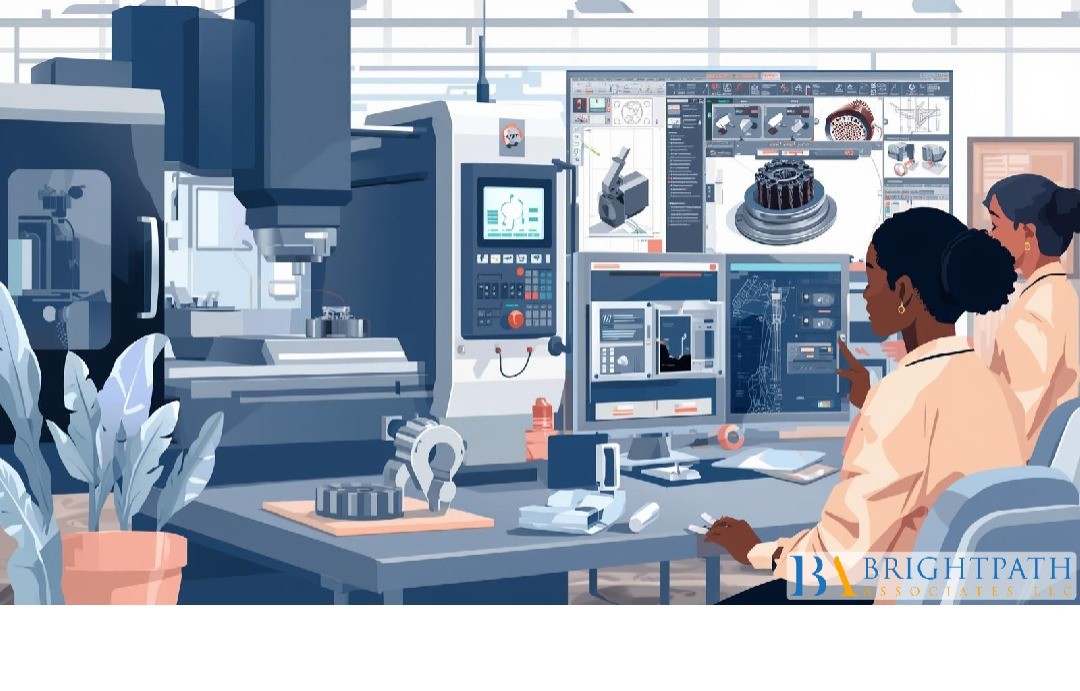
#CNCMachining has revolutionized the manufacturing industry by enhancing precision, efficiency, and versatility in producing complex components. Standing for Computer Numerical Control, CNC refers to the automated control of machining tools through computer software. This innovation has significantly impacted industrial machinery and the broader field of manufacturing, driving advancements that continue to shape the future of production.
Understanding CNC Machining
CNC machining involves the use of computers to control machine tools such as mills, lathes, routers, and grinders. The technology has become a cornerstone for machinery manufacturers aiming to deliver high-quality, precision machining services. By allowing for repeatable and accurate production of intricate parts, CNC machining supports a wide range of industrial applications.
At its core, CNC machining operates through pre-programmed software that dictates the movement of factory tools and machinery. This automation reduces the need for manual operation, thus enhancing manufacturing efficiency and reducing the likelihood of human error. It is a critical component of industrial automation, enabling manufacturers to produce components at scale with consistent quality.
Applications of CNC Machining
CNC machining finds applications across various sectors, including aerospace, automotive, electronics, and healthcare. In the aerospace industry, the demand for precision machining is paramount, as components must adhere to strict tolerances. CNC machining ensures that aircraft parts, such as turbine blades and landing gear, meet exact specifications.
The #AutomotiveIndustry benefits significantly from CNC machining, with machinery manufacturers relying on this technology to produce engine components, transmission parts, and body panels. The precision offered by CNC machining enhances vehicle performance and safety, supporting the industry’s push towards innovation and sustainability.
In electronics, CNC machining is used to create intricate circuit boards and components that require high precision and reliability. Meanwhile, in healthcare, CNC machining is integral to the production of medical devices and prosthetics, where precision machining ensures device efficacy and patient safety.
Advancements in CNC Machining
The field of CNC machining has seen numerous advancements that have expanded its capabilities and applications. One significant development is the integration of advanced software solutions that enhance the precision and efficiency of machining processes. Modern software allows for more complex geometries and faster production times, further driving manufacturing efficiency.
Another key advancement is the use of multi-axis CNC machines, which offer greater flexibility and capability in manufacturing complex parts. These machines can simultaneously move cutting tools along multiple axes, allowing for intricate designs and reducing the need for multiple setups.
Additionally, the integration of CNC machining with other technologies, such as additive manufacturing, has broadened its applications. This hybrid approach allows for the production of parts that combine the strengths of both subtractive and additive manufacturing techniques, offering new possibilities for industrial machinery design and production.
Choosing the Right CNC Machining Partner
Selecting the right CNC machining partner is crucial for businesses seeking to leverage this technology for industrial applications. Several factors should be considered to ensure that the chosen partner aligns with the company’s goals and requirements.
Firstly, evaluate the technical capabilities of potential partners. They should have state-of-the-art machinery and a team skilled in precision machining. A partner with experience in your specific industry can offer valuable insights and solutions tailored to your needs.
Furthermore, assess the partner’s commitment to quality assurance and machinery maintenance. A reliable CNC machining partner will have robust quality control processes in place, ensuring that all products meet the highest standards. They should also prioritize machinery maintenance to minimize downtime and maintain production efficiency.
Consider the partner’s approach to #CustomerService and collaboration. Effective communication and a willingness to work closely with clients are essential for successful partnerships. A partner that values open dialogue can help address challenges promptly and adapt to changing project requirements.
Lastly, review the partner’s track record in handling manufacturing jobs. Experience in managing complex projects and delivering results within specified timelines is indicative of a partner’s reliability and competence.
The Role of Used Machinery and Machinery Financing
In the landscape of CNC machining, used machinery often plays a critical role, especially for smaller businesses or startups. Acquiring used machinery can be a cost-effective strategy, allowing companies to benefit from CNC technology without the substantial initial investment required for new equipment. However, it’s essential to ensure that used machinery is well-maintained and capable of meeting production demands.
Machinery financing is another vital consideration for businesses looking to invest in CNC machining. Various financing options are available, enabling companies to acquire advanced machinery while managing cash flow effectively. It’s important to explore different financing strategies and choose one that aligns with your financial plans and operational goals.
The Impact of CNC Machining on Manufacturing Jobs
The rise of CNC machining has had a profound impact on manufacturing jobs. While there is a misconception that automation leads to job losses, #CNCTechnology has, in fact, created new opportunities within the industry. Skilled workers are needed to program, operate, and maintain CNC machines, leading to a demand for workers with expertise in precision machining and industrial automation.
Moreover, CNC machining has contributed to the evolution of manufacturing jobs, shifting the focus from manual labor to more sophisticated, technology-driven roles. This shift necessitates continuous learning and adaptation, encouraging workers to develop new skills and stay abreast of technological advancements.
Executive Search Recruitment in CNC Machining
As the demand for skilled professionals in CNC machining grows, executive search recruitment becomes crucial for companies seeking top talent. Identifying and attracting individuals with the right skills and experience can be challenging, given the specialized nature of the field.
#ExecutiveSearchRecruitment services can help companies navigate this complex landscape by providing access to a network of qualified candidates. These services are particularly valuable for machinery manufacturers looking to fill critical roles in precision machining, industrial automation, and machinery maintenance.
Conclusion
CNC machining stands at the forefront of modern manufacturing, driving innovation and efficiency across various industries. Its applications are vast, encompassing aerospace, automotive, electronics, and healthcare, among others. The advancements in CNC technology have expanded its capabilities, offering new opportunities for machinery manufacturers and enhancing manufacturing efficiency.
Choosing the right CNC machining partner is vital for businesses aiming to leverage this technology effectively. By considering technical capabilities, quality assurance, customer service, and experience, companies can find a partner that aligns with their goals.
As CNC machining continues to evolve, it will undoubtedly shape the future of manufacturing, creating new opportunities for skilled workers and transforming manufacturing jobs. With the right strategies and partnerships, businesses can harness the power of CNC machining to drive growth and innovation in the industrial machinery sector.
Find your next leadership role in Machinery Industry today!
Stay informed with the latest insights on Machinery Industry!