
Introduction
The #DairyIndustry is undergoing a significant transformation driven by advancements in agricultural technology and digital innovation. Traditionally reliant on manual processes and experience-based decision-making, modern dairy agriculture is now leveraging dairy automation, data analytics, and food technology to enhance productivity and efficiency. For C-suite executives and founders of small to mid-sized dairy companies, understanding the implications of this shift is essential to maintaining competitiveness in an increasingly dynamic global market.
The integration of technology into milk production and dairy processing has redefined operational standards. Automated milking systems, real-time herd monitoring, and data-driven feeding practices are improving yield consistency while reducing labor dependency. As consumer demand for high-quality dairy products continues to rise, companies are under pressure to adopt advanced technologies that ensure both efficiency and product quality.
Dairy Automation and Operational Efficiency
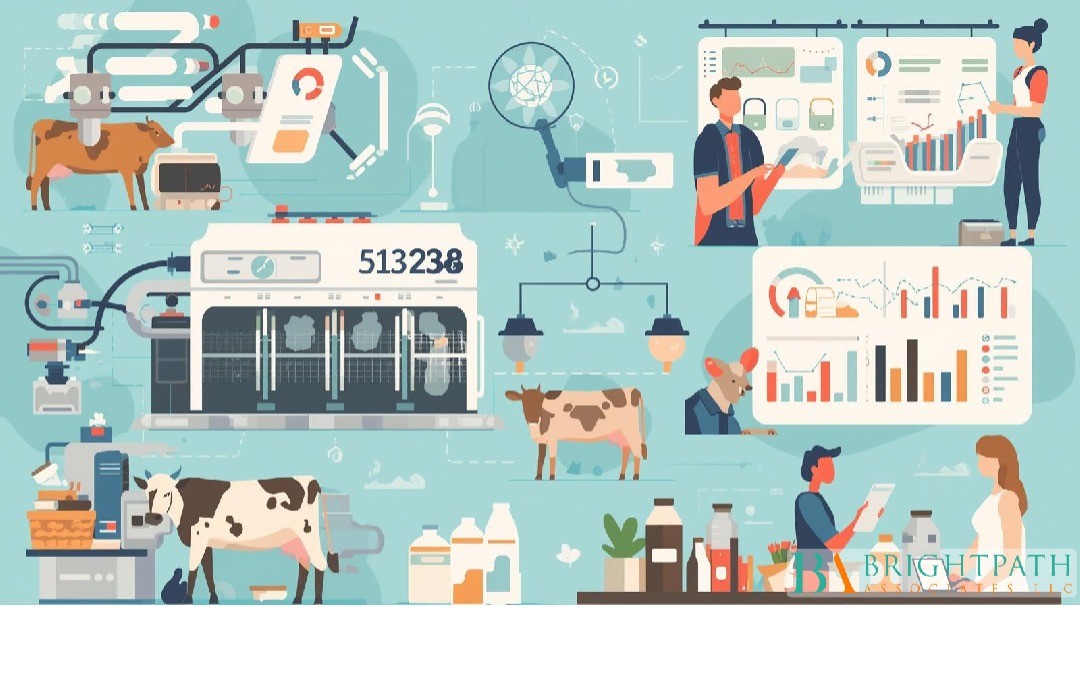
Dairy automation has emerged as a critical driver of efficiency across the value chain. Automated milking systems, robotic feeders, and sensor-based monitoring tools enable dairy farms to optimize daily operations while minimizing human intervention. These systems collect and analyze data on animal health, milk yield, and feeding patterns, allowing for precise decision-making that enhances overall productivity.
Automation not only improves operational efficiency but also addresses labor shortages that have long challenged the dairy industry. By reducing reliance on manual labor, dairy companies can maintain consistent production levels even in the face of workforce constraints. Furthermore, automation enhances animal welfare by ensuring timely feeding, milking, and health monitoring, which directly impacts milk production quality and output.
Digital Transformation in Dairy Supply Chain Management
The #DigitalTransformation of dairy supply chain management is reshaping how products move from farm to consumer. Advanced tracking systems, blockchain technology, and data analytics are improving transparency and traceability across the supply chain. These innovations allow companies to monitor product quality, manage inventory more effectively, and respond quickly to market demands.
For dairy companies, efficient supply chain management is essential to maintaining product freshness and minimizing waste. Digital tools enable real-time tracking of shipments, temperature control during transportation, and accurate demand forecasting. This level of visibility not only reduces operational risks but also enhances customer trust by ensuring product safety and quality.
Sustainable Dairy Farming Practices and Environmental Responsibility
Sustainability has become a central focus in modern dairy agriculture, driven by environmental concerns and regulatory pressures. Sustainable dairy farming practices, including efficient water usage, waste management, and renewable energy integration, are essential for reducing the environmental footprint of dairy operations. Technologies such as methane capture systems, precision feeding, and energy-efficient equipment are helping farms achieve these goals.
The adoption of sustainable practices also aligns with changing consumer preferences, as more customers seek environmentally responsible dairy products. Companies that invest in sustainability not only meet regulatory requirements but also strengthen their brand reputation and market positioning. In this context, technology serves as a key enabler of sustainable growth, allowing dairy companies to balance productivity with environmental stewardship.
The Role of Food Technology in Product Innovation
#FoodTechnology is playing an increasingly important role in the diversification and innovation of dairy products. From fortified milk and functional dairy beverages to plant-based alternatives, technological advancements are enabling companies to expand their product portfolios and cater to evolving consumer preferences. Processing technologies that enhance shelf life, improve nutritional value, and maintain product quality are critical for staying competitive in the dairy industry.
Innovation in dairy products also supports market expansion, particularly in emerging segments such as health-focused and premium offerings. By leveraging food technology, dairy companies can differentiate themselves in a crowded market and capture new revenue streams. This focus on innovation is essential for long-term growth and resilience.
Dairy E-Commerce and Changing Consumer Behavior
The rise of dairy e-commerce is transforming how consumers access and purchase dairy products. Online platforms and direct-to-consumer models are gaining traction, driven by convenience and changing buying habits. Digital channels allow dairy companies to reach a broader audience, offer personalized product recommendations, and build stronger customer relationships.
E-commerce also provides valuable data insights into consumer preferences, enabling companies to refine their marketing strategies and product offerings. By integrating digital sales channels with supply chain operations, dairy businesses can improve demand forecasting, reduce inventory waste, and enhance overall efficiency. This shift toward digital engagement represents a significant opportunity for growth in the dairy industry.
Economic Pressures and Industry Growth Strategies
The dairy industry operates within a complex economic environment characterized by fluctuating input costs, price volatility, and competitive pressures. Feed costs, energy expenses, and transportation charges significantly impact profitability, requiring companies to adopt strategic approaches to cost management and revenue generation. Dairy industry growth strategies increasingly focus on efficiency, diversification, and value-added products to mitigate these challenges.
Technology plays a crucial role in addressing economic pressures by enabling cost optimization and improving operational performance. Data-driven decision-making allows companies to identify inefficiencies, reduce waste, and enhance productivity. Additionally, expanding into high-margin product segments and leveraging digital platforms for sales can help offset market volatility and drive sustainable growth.
Workforce Transformation and Evolving Leadership Needs
The adoption of advanced technologies in dairy agriculture is reshaping workforce requirements and leadership expectations. As operations become more data-driven and technology-intensive, there is a growing demand for professionals with expertise in data analytics, automation systems, and supply chain management. At the same time, traditional skills in animal husbandry and farm management remain essential.
Leadership roles within dairy companies are evolving to encompass a broader range of responsibilities, including digital transformation, sustainability initiatives, and strategic planning. #ExecutiveSearchRecruitment must possess the ability to integrate technology into business operations while maintaining a strong focus on productivity and profitability. Developing and retaining such talent is critical for navigating the complexities of modern dairy agriculture.
Addressing Leadership Gaps Through Executive Search Recruitment
In the face of these evolving demands, many dairy companies are encountering challenges in identifying and securing qualified leadership talent. Executive search recruitment has become an essential strategy for addressing these gaps, providing access to experienced professionals with the expertise required to lead digital transformation and drive operational excellence. By leveraging specialized networks and industry insights, companies can identify candidates who align with their strategic objectives and organizational culture. This targeted approach ensures that dairy businesses are equipped with the leadership necessary to navigate industry complexities and achieve long-term growth.
Future Outlook for Dairy Industry Digital Transformation
The future of the dairy industry will be shaped by continued advancements in technology and increasing emphasis on sustainability. Emerging innovations such as artificial intelligence, precision agriculture, and biotechnology are expected to further enhance productivity and efficiency. These technologies will enable more accurate forecasting, improved resource management, and greater adaptability to changing #MarketConditions.
For C-suite executives, staying ahead of these trends requires a proactive approach to innovation and investment. Companies must continuously evaluate their technological capabilities, adopt best practices, and foster a culture of continuous improvement. By doing so, they can position themselves as leaders in the evolving dairy landscape and capitalize on emerging opportunities.
Conclusion
The integration of technology into modern dairy agriculture is transforming the industry, creating new opportunities for efficiency, innovation, and growth. From dairy automation and digital supply chain management to sustainable farming practices and e-commerce, technology is reshaping every aspect of dairy operations. While workforce and leadership challenges remain significant, a strategic approach to talent acquisition ensures that companies can build the capabilities needed for long-term success.
For dairy companies seeking to remain competitive, embracing digital transformation and sustainability is no longer optional but essential. By leveraging technology, optimizing operations, and investing in leadership, organizations can navigate industry challenges and achieve sustainable growth in an increasingly complex global market.
Find your next leadership role in Dairy Industry today!