
Introduction
The global #FoodProductionIndustry is undergoing a profound transformation as agribusinesses confront rising demand, climate volatility, and technological disruption. Farming companies, particularly small to mid-sized enterprises, are facing increasing pressure to enhance productivity while maintaining agricultural sustainability. This shift is redefining traditional agricultural practices and creating new opportunities for growth through innovation, efficiency, and strategic adaptation. As global populations expand and consumption patterns evolve, agribusiness leaders must navigate a complex environment where operational resilience and forward-thinking strategies are critical to long-term success.
The Rise of Agricultural Technology and Digital Farming
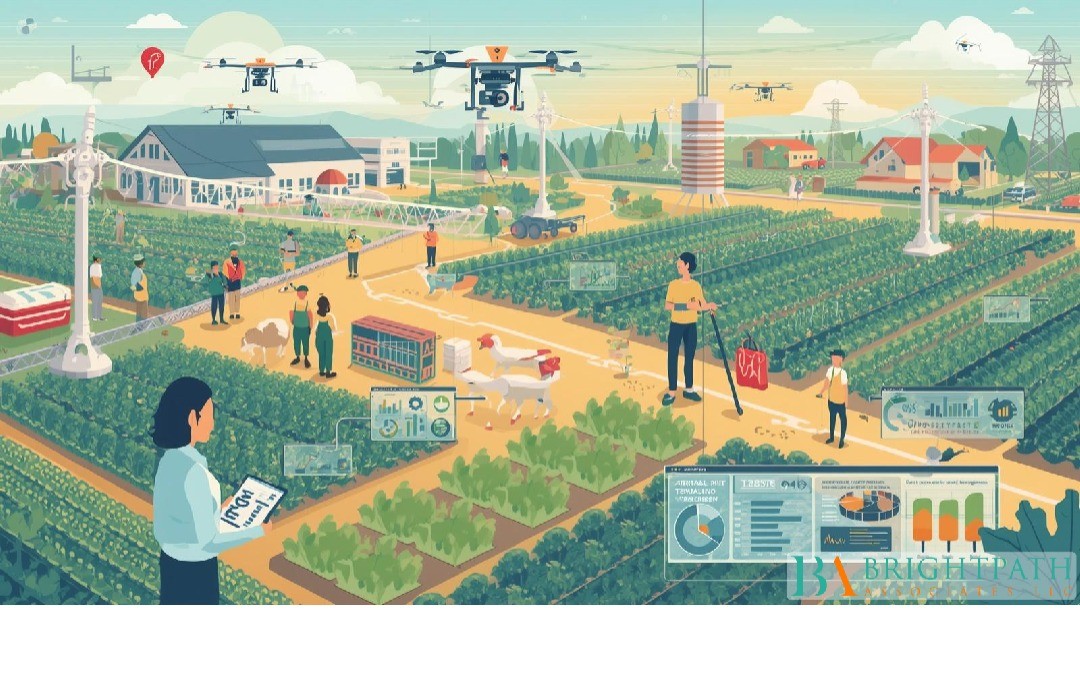
Agricultural technology is rapidly reshaping the way farming operations are managed and executed. Digital farming solutions, including farm management software, data analytics platforms, and connected machinery, are enabling organizations to make more informed decisions and optimize resource utilization. Precision agriculture, which leverages real-time data to monitor soil health, crop conditions, and weather patterns, is becoming a cornerstone of modern farming practices.
Data-driven insights have demonstrated that precision agriculture can significantly improve crop yields while reducing input costs such as water, fertilizers, and pesticides. This efficiency is particularly important in an environment where resource constraints and environmental regulations are becoming more stringent. The adoption of digital farming tools is also enhancing traceability and transparency across the supply chain, allowing companies to meet regulatory requirements and consumer expectations for sustainably sourced products.
Sustainable Farming and Agricultural Innovation
#SustainableFarmingPractices are no longer optional but essential for long-term viability in the agribusiness sector. Increasing awareness of environmental impact has led to the widespread adoption of organic farming, regenerative agriculture, and conservation techniques. These practices aim to preserve soil health, reduce greenhouse gas emissions, and promote biodiversity, aligning with global sustainability goals.
Agricultural innovation is playing a pivotal role in advancing these objectives. Developments in crop genetics, irrigation systems, and alternative fertilizers are enabling farmers to achieve higher productivity with lower environmental impact. Sustainable agriculture investment is also gaining momentum, with financial institutions and investors prioritizing projects that demonstrate strong environmental and social outcomes. This influx of capital is accelerating the adoption of innovative solutions and driving the transition toward more sustainable production models.
Market Dynamics and Growth Opportunities in Agribusiness
The agribusiness sector is experiencing significant growth opportunities driven by changing consumer preferences and global trade dynamics. Demand for organic and sustainably produced food is increasing, creating new market segments for companies that can meet these requirements. At the same time, advancements in logistics and supply chain management are enabling greater market access, allowing small to mid-sized farming companies to compete on a global scale.
However, this growth is accompanied by increased competition and complexity. Companies must navigate fluctuating commodity prices, regulatory changes, and supply chain disruptions while maintaining profitability. The ability to adapt to these challenges is becoming a key determinant of success, requiring a combination of strategic planning, operational efficiency, and technological adoption.
The Role of Precision Agriculture in Enhancing Productivity
Precision agriculture is emerging as a critical driver of productivity and efficiency in modern farming. By utilizing technologies such as GPS-guided equipment, remote sensing, and automated systems, farmers can optimize planting, irrigation, and harvesting processes. This targeted approach reduces waste, improves crop quality, and enhances overall #OperationalPerformance.
The economic benefits of precision agriculture are substantial. Studies indicate that farms implementing precision techniques can achieve higher yields and lower input costs, resulting in improved profitability. Additionally, the ability to monitor and respond to environmental conditions in real time allows farmers to mitigate risks associated with climate variability, ensuring more consistent production outcomes.
As adoption continues to grow, precision agriculture is expected to become a standard practice across the industry, further driving efficiency and sustainability.
Supply Chain Evolution and Food Production Efficiency
The transformation of agribusiness extends beyond the farm to encompass the entire food production value chain. Supply chain efficiency is becoming increasingly important as companies seek to reduce waste, improve logistics, and meet consumer demand for fresh and high-quality products. Digital technologies are playing a key role in this evolution, enabling real-time tracking, demand forecasting, and inventory management.
Enhanced supply chain visibility allows companies to identify inefficiencies and optimize operations, resulting in cost savings and improved service levels. Additionally, the integration of digital platforms facilitates collaboration between stakeholders, including farmers, distributors, and retailers, creating a more cohesive and responsive ecosystem.
This interconnected approach is essential for addressing the challenges of modern food production, where speed, quality, and sustainability are critical factors influencing success.
Investment Trends and the Future of Agricultural Sustainability
Investment in agricultural sustainability is shaping the future of the industry, with increasing focus on technologies and practices that support long-term environmental and economic goals. Venture capital and institutional investors are directing funds toward innovations such as vertical farming, alternative proteins, and climate-resilient crops. These investments are driving the development of new #BusinessModels and expanding the scope of agribusiness beyond traditional farming.
Sustainable agriculture investment is also influencing corporate strategies, with companies prioritizing initiatives that reduce environmental impact and enhance resource efficiency. This shift is not only driven by regulatory requirements but also by consumer demand for ethical and sustainable products. As a result, organizations that align with these trends are better positioned to attract investment and achieve sustainable growth.
Leadership Challenges and Talent Dynamics in Agribusiness
The transformation of agribusiness is placing new demands on leadership, requiring executives to navigate a rapidly evolving landscape characterized by technological advancement and market complexity. Leaders must possess a deep understanding of agricultural innovation, digital transformation, and sustainability principles to effectively guide their organizations.
The demand for such expertise has led to a growing talent gap, particularly in specialized areas such as precision agriculture and digital farming. Organizations are increasingly seeking leaders who can integrate technology with traditional farming practices and drive strategic growth. In this context, #ExecutiveSearchRecruitment serves as a valuable tool for identifying and securing high-caliber talent capable of addressing these challenges and supporting organizational objectives.
Strategic Outlook: Navigating Disruption and Driving Growth
The future of agribusiness will be defined by the ability to adapt to disruption while capitalizing on emerging opportunities. Companies that embrace agricultural technology, invest in sustainable practices, and optimize supply chain operations will be better positioned to achieve long-term success. The integration of digital farming solutions and precision agriculture techniques will continue to enhance productivity and efficiency, while sustainable agriculture investment will drive innovation and growth.
At the same time, collaboration across the industry will be essential for addressing shared challenges and advancing collective progress. Partnerships between farmers, technology providers, and policymakers can facilitate the development of standardized practices and accelerate the adoption of innovative solutions. This collaborative approach will be critical for building a resilient and sustainable agribusiness ecosystem.
Conclusion: Transforming Challenges into Opportunities
Agribusiness transformation represents both a challenge and an opportunity for small to mid-sized farming companies. The convergence of technological innovation, sustainability requirements, and market dynamics is reshaping the industry, creating a need for strategic adaptation and forward-thinking leadership. By leveraging agricultural technology, embracing sustainable farming practices, and enhancing operational efficiency, organizations can navigate disruption and unlock new avenues for growth.
For C-suite executives and founders, the focus must remain on aligning #BusinessStrategies with evolving industry trends while building the capabilities required to sustain long-term success. Through a combination of innovation, investment, and strategic leadership, agribusinesses can transform challenges into opportunities and secure their position in the future of the global food production industry.
Find your next leadership role in Farming Industry today!