
Introduction
The #BusinessSuppliesSector is undergoing a structural shift as organizations increasingly prioritize operational efficiency, cost optimization, and digital transformation. Office supplies, business equipment, and commercial office furniture are no longer viewed as static assets but as dynamic contributors to productivity and organizational performance. Within this evolving landscape, proactive office equipment maintenance has emerged as a critical strategy for ensuring uninterrupted operations, reducing long-term costs, and enhancing overall business resilience. For C-suite executives and founders of small to mid-sized companies, the ability to align maintenance strategies with broader operational goals is becoming a defining factor in sustaining competitive advantage.
The Growing Importance of Proactive Maintenance in Office Equipment
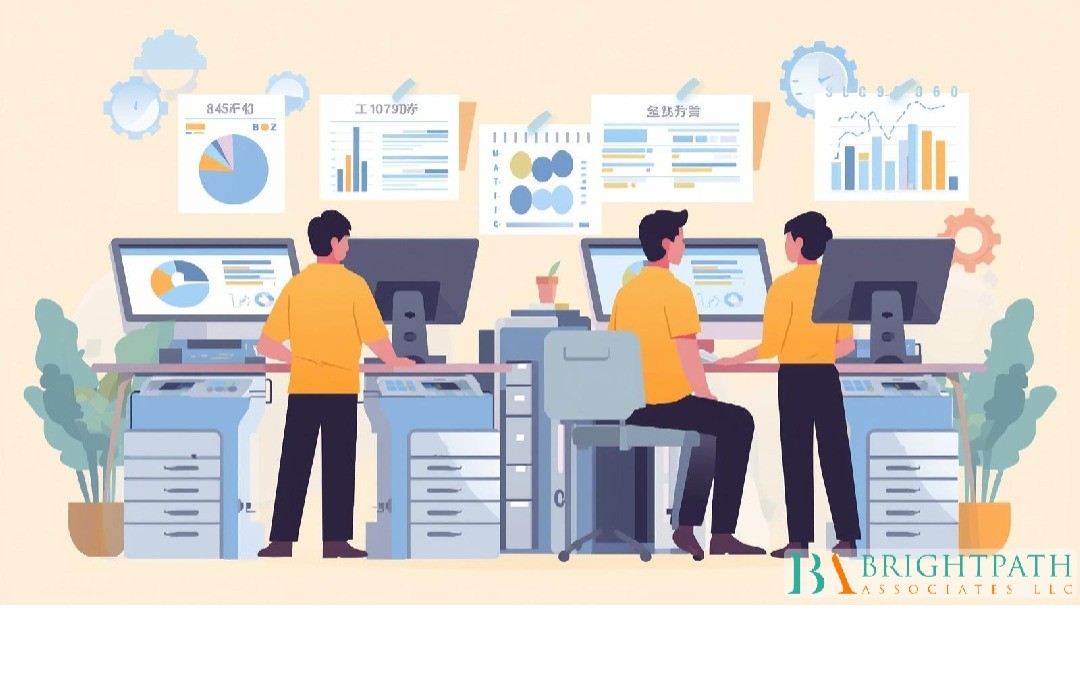
Office equipment maintenance has traditionally been reactive, with organizations addressing issues only after failures occur. However, this approach often results in costly downtime, reduced employee productivity, and increased repair expenses. Studies indicate that unplanned equipment downtime can reduce operational efficiency by significant margins, particularly in environments heavily reliant on printers, copiers, IT systems, and other essential business equipment. Proactive maintenance strategies, which involve regular monitoring, scheduled servicing, and predictive diagnostics, are increasingly being adopted to mitigate these risks.
By shifting from reactive to proactive maintenance, companies can extend the lifecycle of their assets and reduce total cost of ownership. Preventive servicing ensures that equipment operates at optimal efficiency, minimizing the likelihood of sudden breakdowns. Moreover, organizations that implement predictive maintenance technologies—leveraging data analytics and IoT-enabled devices—are able to identify potential failures before they occur, enabling timely intervention and resource allocation.
Integration of Digital Transformation in Office Maintenance
#DigitalTransformation in office environments is playing a pivotal role in redefining maintenance strategies. The adoption of smart office technologies, cloud-based monitoring systems, and automated diagnostics is enabling organizations to gain real-time insights into equipment performance. These advancements allow for data-driven decision-making, where maintenance schedules are optimized based on actual usage patterns rather than fixed intervals.
Office technology trends indicate a growing reliance on interconnected systems that enhance both efficiency and transparency. For instance, modern office equipment is increasingly equipped with sensors that track usage, detect anomalies, and generate maintenance alerts. This level of integration not only reduces operational disruptions but also supports sustainability initiatives by minimizing energy consumption and waste. As companies continue to invest in digital infrastructure, the role of technology in maintenance strategies will become even more pronounced.
Supply Chain Trends and Their Impact on Maintenance Strategies
Supply chain trends are significantly influencing how organizations approach office equipment maintenance. Global disruptions and fluctuating demand for office supplies have highlighted the importance of maintaining operational continuity. Delays in procuring replacement parts or new equipment can lead to extended downtime, underscoring the need for robust maintenance frameworks.
Organizations are increasingly adopting localized procurement strategies and building stronger relationships with office supply vendors to ensure timely access to critical components. Additionally, the integration of supply chain analytics is enabling companies to anticipate potential disruptions and plan maintenance activities accordingly. This proactive approach not only enhances operational efficiency but also reduces dependency on external factors that may impact business continuity.
Furthermore, procurement strategies are evolving to include maintenance considerations as a key factor in purchasing decisions. Companies are prioritizing equipment that offers long-term reliability, ease of servicing, and compatibility with existing systems. This shift reflects a broader trend toward lifecycle management, where the focus extends beyond initial acquisition costs to encompass ongoing maintenance and operational performance.
Cost Optimization Through Preventive and Predictive Maintenance
#CostManagement remains a central concern for organizations operating in the business supplies sector. Proactive maintenance strategies offer a significant opportunity to optimize costs by reducing the frequency and severity of equipment failures. Preventive maintenance, which involves routine inspections and servicing, helps identify potential issues early, preventing costly repairs and replacements.
Predictive maintenance takes this approach a step further by utilizing advanced analytics to forecast equipment performance. By analyzing historical data and usage patterns, organizations can predict when maintenance is required and allocate resources more effectively. This not only reduces maintenance costs but also improves asset utilization and extends equipment lifespan.
Data-driven insights reveal that companies implementing predictive maintenance strategies often experience a substantial reduction in maintenance expenses and downtime. These benefits are particularly valuable for small to mid-sized enterprises, where resource constraints necessitate efficient allocation of capital and operational resources. By investing in proactive maintenance, organizations can achieve a balance between cost control and operational excellence.
Enhancing Workplace Productivity and Employee Experience
The impact of office equipment maintenance extends beyond operational efficiency to influence employee productivity and overall workplace experience. Malfunctioning equipment can disrupt workflows, create frustration among employees, and hinder organizational performance. In contrast, well-maintained equipment ensures seamless operations, enabling employees to focus on core tasks without interruptions.
As workplace expectations evolve, organizations are placing greater emphasis on creating efficient and supportive work environments. Reliable office equipment is a fundamental component of this objective, contributing to employee satisfaction and engagement. Additionally, the integration of smart technologies enhances user experience by providing intuitive interfaces, automated processes, and real-time support.
The role of commercial office furniture and ergonomic design also intersects with maintenance strategies. Regular upkeep of furniture and workspace infrastructure ensures safety, comfort, and compliance with regulatory standards. This holistic approach to maintenance reflects a broader understanding of operational excellence, where every element of the workplace is optimized for performance and well-being.
Leadership and Talent Dynamics in Operational Excellence
The successful implementation of proactive maintenance strategies requires strong leadership and a clear strategic vision. Executives must navigate the complexities of digital transformation, supply chain management, and cost optimization while ensuring alignment with organizational goals. This necessitates a shift in role expectations, where leaders are expected to possess both technical expertise and strategic acumen.
In the context of #TalentAcquisitionStrategies, organizations are increasingly seeking professionals who can drive innovation, manage advanced technologies, and optimize operational processes. Leadership talent shortages have intensified competition for skilled professionals, particularly those with experience in digital transformation and data analytics. To address this challenge, companies are turning to #ExecutiveSearchRecruitment as a strategic solution to identify and attract high-caliber talent capable of driving operational excellence.
By leveraging specialized recruitment expertise, organizations can ensure that their leadership teams are equipped to navigate the evolving demands of the business supplies sector. This targeted approach to talent acquisition supports long-term growth and strengthens the organization’s ability to implement effective maintenance strategies.
Strategic Outlook for the Business Supplies Industry
The future of the business supplies industry will be shaped by the convergence of technology, sustainability, and operational efficiency. Office equipment maintenance will continue to evolve as organizations adopt more sophisticated tools and methodologies to manage their assets. The integration of artificial intelligence, machine learning, and IoT technologies is expected to further enhance predictive capabilities, enabling organizations to achieve higher levels of efficiency and reliability.
Sustainability considerations will also play a critical role in shaping maintenance strategies. Companies are increasingly focusing on reducing environmental impact by extending equipment lifecycles, minimizing waste, and optimizing energy consumption. These initiatives align with broader corporate sustainability goals and regulatory requirements, reinforcing the importance of proactive maintenance as a strategic priority.
In addition, the role of office supply vendors will continue to evolve, with a greater emphasis on providing value-added services such as maintenance support, analytics, and consulting. This shift reflects a move toward integrated solutions that address the full spectrum of organizational needs, from procurement to ongoing asset management.
Conclusion
Operational excellence in the business supplies sector is increasingly defined by the ability to implement proactive office equipment maintenance strategies. By transitioning from reactive approaches to data-driven, predictive models, organizations can enhance efficiency, reduce costs, and improve overall performance. The integration of digital technologies, alignment with supply chain trends, and focus on employee experience further strengthen the impact of these strategies.
For C-suite executives and founders, the challenge lies in adopting a holistic approach that combines technology, process optimization, and leadership development. While talent acquisition plays a role in supporting these initiatives, the broader focus must remain on creating resilient and efficient operations. Organizations that successfully navigate this transformation will be well-positioned to achieve sustainable growth and maintain a competitive edge in an increasingly dynamic market.
Find your next leadership role in Business Supplies Industry today!
Stay informed with the latest insights on Business Supplies Industry!