
Introduction
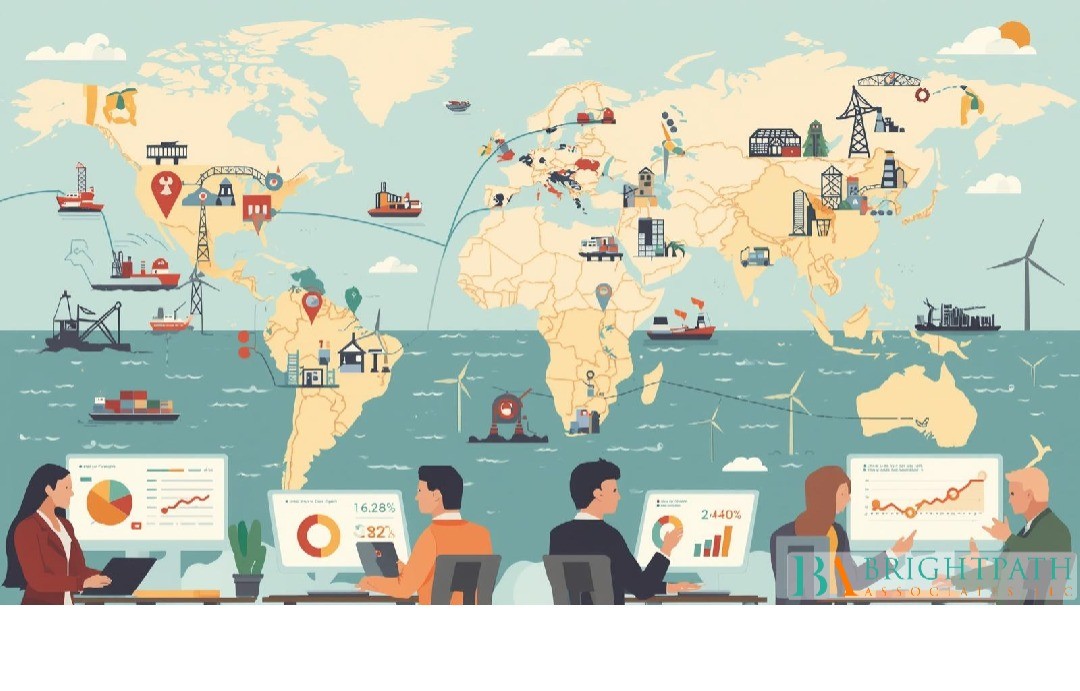
The #GlobalEnergyLandscape is undergoing a profound transformation driven by geopolitical shifts, economic realignments, and technological advancements. For C-suite executives and founders of small to mid-sized oil and gas companies, these changes present both significant risks and unprecedented opportunities. The interplay between political dynamics, resource accessibility, and market volatility is reshaping how organizations approach strategy, investment, and operations within the oil and gas sector.
As traditional energy markets evolve, the demand for resilient and adaptive leadership has intensified. Companies are not only required to navigate fluctuating energy sector investment patterns but also to manage operational complexities across diverse geographies. This environment has brought leadership talent shortages into sharp focus, making executive hiring a strategic priority rather than a routine function.
Geopolitical Forces Reshaping the Oil and Gas Sector
Geopolitical tensions, trade policies, and regional conflicts have a direct impact on the availability and pricing of petroleum resources. Supply chain disruptions, sanctions, and shifting alliances can alter global oil flows, creating uncertainty for oilfield services companies and refinery operations management teams.
These disruptions are forcing organizations to rethink their supply strategies and diversify their operational footprints. Companies are increasingly investing in regions that offer political stability and favorable regulatory environments while simultaneously mitigating risks associated with overdependence on specific markets. This strategic diversification requires leaders who can interpret geopolitical signals and translate them into actionable business strategies.
The volatility associated with geopolitical shifts also influences oil drilling technology investments. Companies must balance short-term operational efficiency with long-term sustainability, ensuring that their technology investments align with evolving market conditions. This complexity underscores the need for executives who possess both technical expertise and a deep understanding of global energy dynamics.
Energy Transition and the Rise of Sustainable Solutions
The global push toward sustainable energy solutions is adding another layer of complexity to the oil and gas industry. While petroleum remains a critical component of the global energy mix, there is increasing pressure to reduce carbon emissions and invest in cleaner technologies.
Oil and #GasCompanies are responding by integrating renewable energy initiatives into their portfolios and adopting more efficient extraction and production methods. This transition is not only a technological challenge but also a strategic one, requiring leaders who can balance traditional operations with emerging opportunities in sustainable energy.
The shift toward sustainability is also influencing investor behavior, with capital increasingly directed toward companies that demonstrate environmental responsibility and long-term viability. For small to mid-sized organizations, attracting investment depends on their ability to align with these evolving expectations, further emphasizing the importance of strategic leadership.
The Changing Nature of Leadership in the Energy Sector
Leadership roles within the oil and gas industry are evolving rapidly in response to geopolitical and technological changes. Executives are no longer confined to operational oversight; they are expected to drive innovation, manage risk, and navigate complex regulatory environments.
The integration of advanced technologies, such as digital monitoring systems and data analytics, has transformed how companies approach petroleum engineering services and refinery operations management. Leaders must be capable of leveraging these tools to optimize performance and enhance decision-making.
At the same time, the global nature of the energy industry requires executives to possess strong cross-cultural communication skills and the ability to manage diverse teams. These expanded role expectations have made it increasingly difficult for companies to find suitable candidates, contributing to a growing leadership talent gap.
Talent Shortages and Workforce Challenges
The oil and #GasSector is facing a significant shortage of skilled professionals, particularly in leadership roles. The demand for expertise in areas such as oil drilling technology, data analytics, and sustainable energy solutions far exceeds the available talent pool.
This shortage is compounded by an aging workforce and the perception of the industry among younger professionals, many of whom are drawn to technology-driven sectors. As a result, companies must compete aggressively to attract and retain top talent, particularly for critical roles in petroleum engineering and strategic management.
Oil and gas jobs in the USA and other major markets are becoming increasingly specialized, requiring a combination of technical knowledge, strategic thinking, and leadership capability. This shift has made traditional recruitment approaches less effective, prompting organizations to adopt more targeted strategies.
The Strategic Evolution of Recruitment Practices
#RecruitmentPractices within the oil and gas industry are undergoing a transformation as companies seek to address talent shortages and evolving role requirements. Organizations are moving away from reactive hiring toward proactive talent acquisition strategies that focus on long-term workforce planning.
Executive search recruitment has emerged as a key solution in this context, enabling companies to identify and engage high-caliber candidates with the specific skills needed to navigate complex industry challenges. This approach is particularly valuable for small to mid-sized companies that may lack the internal resources to conduct extensive talent searches.
By leveraging specialized recruitment expertise, organizations can access a broader network of candidates, including those who are not actively seeking new opportunities. This ensures a better alignment between candidate capabilities and organizational needs, increasing the likelihood of successful leadership appointments.
Aligning Leadership with Strategic Objectives
In a rapidly changing energy landscape, aligning leadership capabilities with strategic objectives is critical for success. Executives must be able to integrate geopolitical insights, technological advancements, and market trends into a cohesive business strategy.
This alignment requires a deep understanding of both the operational and strategic aspects of the oil and gas industry. Leaders must coordinate across functions, from exploration and production to refining and distribution, ensuring that all aspects of the business are aligned with organizational goals.
Executive search recruitment plays a vital role in achieving this alignment by identifying leaders who possess the necessary skills and experience. These individuals are better equipped to drive innovation, manage risk, and capitalize on emerging opportunities.
Building Resilience Through Technology and Innovation
Technology and innovation are essential for building resilience in the face of geopolitical uncertainty. Advanced oil drilling technology, digital monitoring systems, and predictive analytics enable companies to optimize operations and respond quickly to changing conditions.
These technologies also support more efficient refinery operations management, reducing costs and improving performance. However, their successful implementation depends on leadership that can integrate technological solutions into broader #BusinessStrategies.
Recruiting executives with expertise in both technology and operations is therefore critical for organizations seeking to enhance their resilience and competitiveness.
Investment Strategies in a Volatile Environment
Energy sector investment decisions are increasingly influenced by geopolitical risks and market volatility. Companies must carefully evaluate potential investments, balancing short-term returns with long-term sustainability.
This requires leaders who can assess risk, identify opportunities, and allocate resources effectively. Strategic decision-making is particularly important for small to mid-sized companies, which may have limited resources and must prioritize investments that deliver the greatest impact.
#ExecutiveSearchRecruitment enables organizations to secure leaders with the financial acumen and strategic insight needed to navigate these challenges, ensuring that investment decisions support long-term growth.
Conclusion
Geopolitical shifts are reshaping the energy landscape, creating both challenges and opportunities for oil and gas companies. From supply chain disruptions and regulatory pressures to the transition toward sustainable energy solutions, the industry is facing a period of significant change.
Success in this environment depends on the ability to adapt, innovate, and lead effectively. Addressing leadership talent shortages and evolving role expectations is essential for navigating these complexities and achieving sustainable growth.
Executive search recruitment serves as a critical enabler in this process, helping organizations identify and secure the leadership talent needed to thrive in a dynamic and uncertain world. By aligning strategic vision with operational excellence, oil and gas companies can position themselves for long-term success in an ever-evolving energy landscape.
Find your next leadership role in Oil and Gas Industry today!
Stay informed with the latest insights on Oil and Gas Industry!