
Introduction
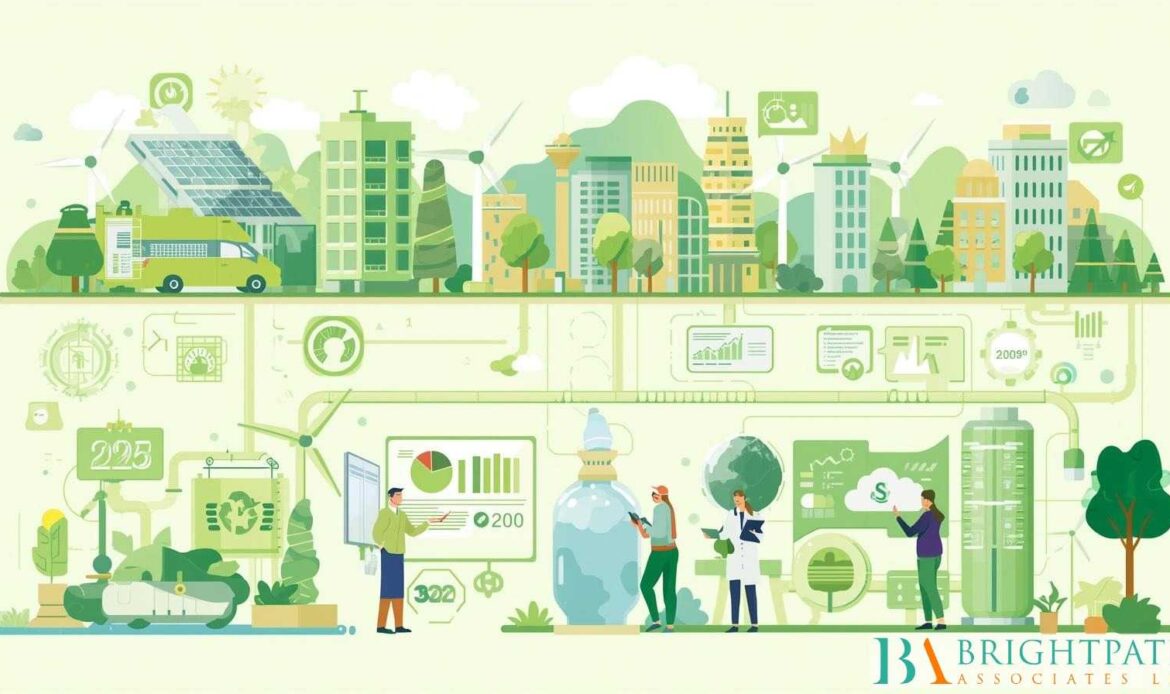
#GreenTechnology has emerged as a transformative force within the environmental services sector, reshaping how organizations approach sustainability, operational efficiency, and regulatory compliance. As global concerns around climate change, resource depletion, and environmental degradation intensify, companies operating in environmental services are under increasing pressure to adopt innovative solutions that promote environmental sustainability while maintaining profitability.
From waste management solutions and water treatment systems to air pollution control technologies and clean technology advancements, the environmental industry is experiencing a significant shift toward innovation-driven growth. These developments are not only redefining service delivery but also elevating the strategic importance of leadership within organizations.
For small to mid-sized environmental services companies, navigating this transition requires more than technological adoption. It demands visionary leadership capable of aligning business strategies with environmental goals, managing complex regulatory frameworks, and driving continuous innovation. However, the growing demand for such leadership has created a notable talent gap, making executive hiring a critical priority for organizations seeking to remain competitive.
The Expanding Role of Environmental Innovation in Business Growth
Environmental innovation has become a central driver of growth within the environmental services industry. Companies are increasingly investing in advanced technologies to enhance efficiency, reduce environmental impact, and meet evolving client expectations.
Clean technology solutions, including renewable energy integration, advanced recycling systems, and digital monitoring platforms, are transforming traditional service models. Waste management solutions have evolved beyond simple disposal processes to include resource recovery, circular economy practices, and sustainable material management.
Water treatment technologies are also advancing rapidly, with innovations aimed at improving water quality, reducing energy consumption, and enabling the reuse of treated water in industrial applications. Similarly, air pollution control systems are becoming more sophisticated, incorporating real-time monitoring and data analytics to ensure compliance with stringent environmental standards.
These technological advancements are driving significant changes in how environmental services companies operate. Organizations must continuously adapt to new technologies, regulatory requirements, and market expectations, all of which require strong and capable leadership.
Leadership Challenges in a Rapidly Evolving Environmental Industry
The #EnvironmentalIndustry is facing a growing shortage of experienced leaders capable of managing the complexities of modern environmental services. Executives are expected to oversee a wide range of functions, including operational efficiency, regulatory compliance, sustainability initiatives, and technological integration.
This expansion of responsibilities has made executive roles more demanding and multifaceted. Leaders must possess a deep understanding of environmental sustainability principles while also demonstrating strong business acumen and strategic thinking.
At the same time, the demand for skilled leaders is outpacing supply. Many organizations struggle to identify candidates with the necessary combination of technical expertise and leadership capability. This challenge is particularly pronounced among small to mid-sized companies, which may lack the resources and networks required to attract top-tier talent.
The impact of leadership shortages can be significant. Without effective leadership, companies may face difficulties in implementing environmental innovation, maintaining compliance with regulations, and achieving long-term sustainability goals. This makes executive hiring a critical component of organizational success.
Evolving Expectations for Executive Leadership in Environmental Services
The role of executive leadership within environmental services companies has undergone a fundamental transformation. Traditional leadership models focused primarily on operational management and cost control. While these remain important, modern executives must adopt a more strategic and forward-thinking approach.
Leaders are now expected to drive environmental sustainability initiatives by integrating green technology into core business operations. This includes adopting clean technology solutions, optimizing waste management processes, and implementing advanced water treatment and air pollution control systems.
In addition to technical expertise, executives must also demonstrate strong stakeholder management skills. Environmental services companies often work closely with government agencies, regulatory bodies, and community organizations. Leaders must navigate complex regulatory frameworks while maintaining transparency and building trust with stakeholders.
Furthermore, digital transformation is playing an increasingly important role in the environmental industry. Technologies such as data analytics, IoT-enabled monitoring systems, and automation are enhancing operational efficiency and enabling more proactive environmental management. Executives must be capable of leveraging these tools to drive innovation and improve service delivery.
These evolving expectations have significantly increased the complexity of executive roles, making it more challenging for organizations to identify and recruit suitable candidates.
The Strategic Importance of Executive Hiring in Environmental Services
#ExecutiveHiring has become a key strategic priority for environmental services companies seeking to navigate industry transformation. Leaders with the right combination of expertise and vision can drive innovation, improve operational efficiency, and strengthen competitive positioning.
Effective leadership enables organizations to align their business strategies with environmental sustainability goals. For example, executives can implement circular economy practices, optimize resource utilization, and develop innovative waste management solutions that reduce environmental impact while generating value.
In addition, strong leaders play a critical role in ensuring regulatory compliance. Environmental regulations are becoming increasingly stringent, and companies must adapt their operations to meet these requirements. Executives with a deep understanding of environmental compliance can help organizations mitigate risks and avoid potential penalties.
Leadership also influences organizational culture and employee engagement. Environmental services companies often rely on skilled professionals to deliver specialized services. Executives who prioritize workforce development and create a culture of innovation can enhance employee retention and productivity.
Given these factors, strategic executive hiring is essential for building resilient and future-ready organizations.
The Evolution of Recruitment Practices in the Environmental Industry
Recruitment practices within the environmental services sector have evolved significantly as companies seek to address leadership talent shortages. Traditional hiring approaches are no longer sufficient in an industry characterized by rapid technological change and increasing regulatory complexity.
Modern recruitment strategies focus on identifying candidates who possess a combination of technical expertise, strategic thinking, and leadership capability. Organizations must evaluate potential leaders based on their ability to drive environmental innovation, manage complex operations, and adapt to changing market conditions.
This shift has increased the importance of specialized executive search recruitment solutions. These services provide organizations with access to a broader pool of qualified candidates while ensuring a thorough evaluation of each candidate’s skills and experience.
Executive search recruitment also enables companies to identify leaders who align with their organizational values and long-term objectives. By leveraging industry expertise and advanced assessment methodologies, these solutions help organizations secure leadership talent capable of driving sustainable growth.
Building Leadership Pipelines for Long-Term Sustainability
Developing a strong leadership pipeline is essential for ensuring long-term success in the environmental services industry. Companies that adopt proactive talent acquisition strategies are better positioned to address leadership gaps and maintain continuity in key roles.
#ExecutiveSearchRecruitment plays a critical role in this process by identifying high-potential candidates with expertise in environmental sustainability, clean technology, and regulatory compliance. These leaders bring fresh perspectives and innovative ideas that can drive organizational transformation.
In addition to external recruitment, organizations must also focus on developing internal talent. By investing in leadership development programs and providing opportunities for career advancement, companies can build a pipeline of future leaders capable of supporting long-term growth.
Strategic recruitment and talent development efforts enable organizations to remain competitive in a rapidly evolving industry while ensuring that they have the leadership capabilities needed to achieve their sustainability goals.
Conclusion
Green technology is reshaping the environmental services industry, creating new opportunities for innovation, growth, and sustainability. Companies that embrace environmental innovation and invest in advanced technologies are better positioned to meet the challenges of a rapidly changing world.
However, the success of these initiatives depends largely on the quality of leadership within the organization. Executives play a crucial role in driving environmental sustainability, managing regulatory compliance, and implementing innovative solutions that enhance operational efficiency.
The growing shortage of experienced leaders presents a significant challenge for environmental services companies. Addressing this gap requires a strategic approach to executive hiring that prioritizes expertise, adaptability, and long-term vision.
By leveraging executive search recruitment, organizations can secure the leadership talent needed to navigate industry transformation, strengthen operational performance, and achieve sustainable success. In an era defined by environmental challenges and opportunities, strong leadership remains the foundation of effective environmental stewardship.
Find your next leadership role in Environment Services Industry today!
Stay informed with the latest insights on Environment Services Industry!