
Introduction
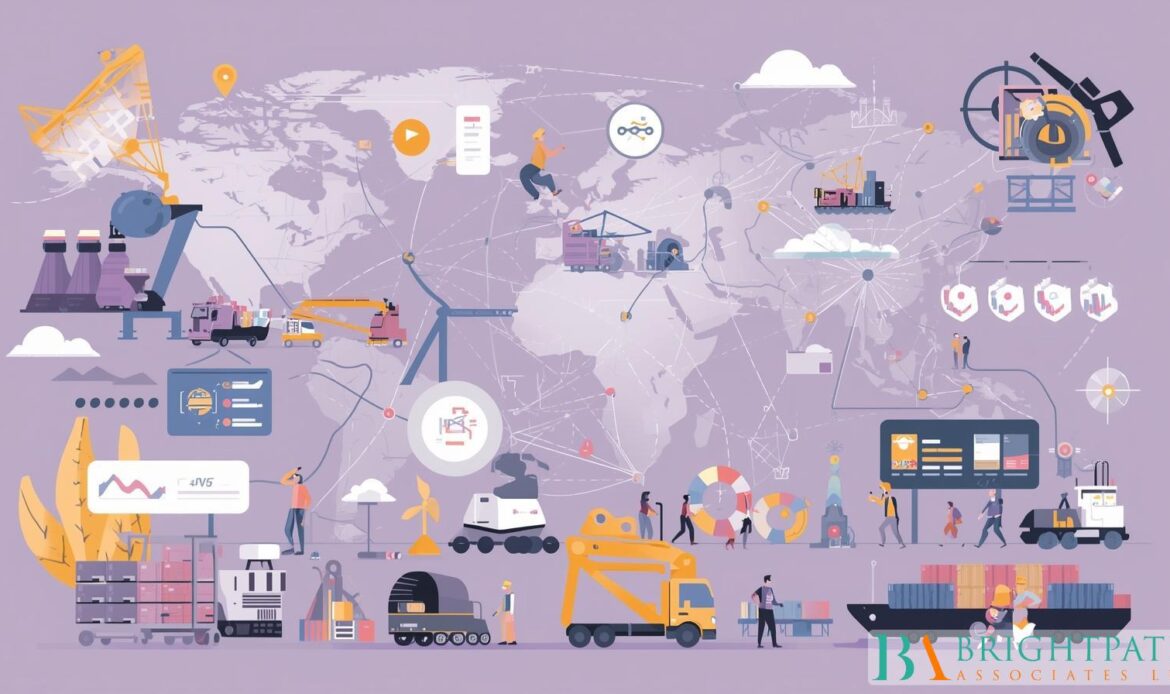
The global metals and #MiningIndustry operates within one of the most volatile economic environments, shaped by fluctuating commodity prices, geopolitical uncertainty, evolving mining policy, and increasing environmental scrutiny. For small to mid-sized companies engaged in ore extraction, metallurgy, and metal processing, building a resilient supply chain is no longer a competitive advantage but a strategic necessity.
Supply chain disruptions have exposed vulnerabilities across the metals industry, from raw material sourcing to final product delivery. As global demand for metals continues to rise—driven by infrastructure development, renewable energy expansion, and advanced manufacturing—companies must adapt to rapidly changing market conditions. In this evolving landscape, leadership plays a critical role in shaping supply chain resilience, operational efficiency, and long-term growth.
However, the growing complexity of the industry has created a significant gap in leadership talent. Organizations are increasingly challenged to find executives who can manage supply chain risks, implement mining innovation technology, and align business strategies with sustainable mining practices. Addressing this leadership shortage has become essential for companies seeking to thrive in volatile markets.
The Changing Dynamics of Metal Supply Chains
The traditional metal supply chain, once defined by predictable sourcing and stable demand, has undergone a profound transformation. Today’s supply chains are influenced by a range of external factors, including regulatory changes, trade restrictions, and environmental standards that impact mining operations and metal processing activities.
Global demand for metals such as steel, aluminum, copper, and rare earth elements has surged, particularly due to their critical role in renewable energy systems and advanced technologies. At the same time, supply constraints have intensified as mining operations face stricter environmental regulations and resource depletion challenges.
Mining technology has emerged as a key enabler of supply chain resilience. Advanced solutions such as automation, real-time data analytics, and predictive maintenance are helping companies optimize ore extraction processes and improve operational efficiency. These technologies not only enhance productivity but also reduce operational risks and environmental impact.
Despite these advancements, many organizations struggle to integrate new technologies effectively. This challenge is often linked to leadership capability, as executives must possess both technical understanding and strategic vision to drive digital transformation across the supply chain.
Leadership Gaps in a Complex Industry Environment
The metals and mining sector is experiencing a growing shortage of experienced leaders capable of navigating its increasingly complex landscape. Executives are expected to manage diverse responsibilities, including supply chain optimization, regulatory compliance, sustainability initiatives, and technological integration.
This expansion of responsibilities has significantly raised the bar for leadership roles within the industry. Companies require leaders who can balance operational efficiency with long-term strategic planning while responding to market volatility and evolving mining policy.
The challenge is particularly acute for small to mid-sized organizations, which often lack access to extensive talent networks. As experienced leaders retire or transition to larger organizations, these companies face intense competition for a limited pool of qualified candidates.
The consequences of leadership shortages are far-reaching. Without strong #ExecutiveLeadership, organizations may struggle to maintain supply chain stability, manage cost fluctuations, or implement innovative solutions that enhance competitiveness. This makes leadership recruitment a critical priority for companies seeking to strengthen their position in the metals industry.
Evolving Expectations for Executive Leadership in Mining and Metals
The role of executive leadership in the metals and mining industry has evolved significantly as companies adapt to new market realities. Traditional leadership models focused primarily on production efficiency and cost control. While these remain important, modern executives must adopt a broader and more strategic perspective.
Leaders are now expected to drive innovation through the adoption of mining innovation technology, including automation systems, digital supply chain platforms, and advanced metallurgy techniques. These technologies enable companies to improve efficiency, reduce waste, and respond more effectively to market fluctuations.
Sustainable mining has also become a central focus for the industry. Executives must ensure that their organizations adhere to environmental regulations while implementing practices that minimize ecological impact. This includes optimizing resource utilization, reducing emissions, and promoting material recycling within metal processing operations.
In addition, leaders must navigate increasingly complex global supply chains that require strong risk management capabilities. From geopolitical disruptions to logistical challenges, executives must develop strategies that enhance supply chain resilience and ensure continuity of operations.
These evolving expectations have created a demand for highly skilled leaders with diverse expertise, making executive hiring more complex and competitive than ever before.
The Strategic Role of Executive Hiring in Supply Chain Resilience
Executive hiring has become a critical factor in determining how effectively metals and mining companies respond to supply chain volatility. Leaders with the right combination of industry knowledge, technological expertise, and strategic insight can significantly enhance organizational resilience.
Strong leadership enables companies to identify vulnerabilities within their supply chains and implement proactive measures to mitigate risks. For example, executives can diversify sourcing strategies, invest in advanced mining technology, and develop partnerships that strengthen supply chain stability.
In addition, effective leaders play a key role in driving #OrganizationalTransformation. By fostering a culture of innovation and continuous improvement, they can ensure that companies remain adaptable in the face of changing market conditions.
The impact of executive hiring extends beyond operational performance. Leaders influence company culture, employee engagement, and stakeholder relationships, all of which contribute to long-term success. Organizations that prioritize strategic leadership recruitment are better positioned to navigate uncertainty and capitalize on emerging opportunities within the metals industry.
The Evolution of Recruitment Practices in the Metals Industry
Recruitment practices within the metals and mining sector have evolved significantly as companies seek to address leadership talent shortages. Traditional hiring approaches, which often relied on internal promotions or limited industry connections, are no longer sufficient in a highly competitive and rapidly changing environment.
Modern recruitment strategies emphasize a more comprehensive evaluation of candidates, focusing on both technical expertise and leadership capabilities. Executives must demonstrate a deep understanding of metallurgy, ore extraction processes, and metal processing operations, as well as the ability to lead complex organizations through periods of change.
This shift has increased the importance of specialized mining and metals recruiters who possess in-depth knowledge of the industry. These recruitment professionals are better equipped to identify candidates with the specific skills and experience required for executive roles.
Executive search recruitment has emerged as a highly effective solution for companies seeking to secure top-tier leadership talent. By leveraging extensive networks and advanced assessment methodologies, these services enable organizations to identify and attract leaders who can drive strategic growth and operational excellence.
Strengthening Leadership Pipelines Through Strategic Recruitment
Building a strong leadership pipeline is essential for ensuring long-term success in the metals and mining industry. Companies that adopt proactive recruitment strategies are better equipped to address talent shortages and maintain continuity in leadership roles.
#ExecutiveSearchRecruitment plays a vital role in this process by providing access to a broader pool of qualified candidates. These services help organizations identify leaders with expertise in mining technology, sustainable mining practices, and supply chain management.
In addition to addressing immediate hiring needs, strategic recruitment efforts contribute to the development of future leaders within the organization. By identifying high-potential candidates and aligning them with long-term business objectives, companies can build resilient leadership teams capable of navigating industry challenges.
Organizations that invest in leadership development and strategic hiring are more likely to achieve sustainable growth and maintain a competitive edge in volatile markets.
Conclusion
The metals and mining industry continues to face significant challenges driven by market volatility, regulatory changes, and technological transformation. Building a resilient metal supply chain requires a comprehensive approach that integrates operational efficiency, innovation, and sustainability.
At the core of this strategy lies strong and capable leadership. Executives play a crucial role in shaping organizational direction, managing supply chain risks, and driving innovation through the adoption of advanced mining technology and sustainable practices.
However, the growing shortage of experienced leaders presents a major challenge for many organizations. Addressing this gap requires a strategic approach to executive hiring that prioritizes expertise, adaptability, and long-term vision.
By leveraging specialized executive search recruitment strategies, metals and mining companies can secure the leadership talent needed to navigate complex market conditions, strengthen supply chain resilience, and achieve sustained success in an increasingly dynamic industry.
Find your next leadership role in Metal and Mining Industry today!
Stay informed with the latest insights on Metal and Mining Industry!