
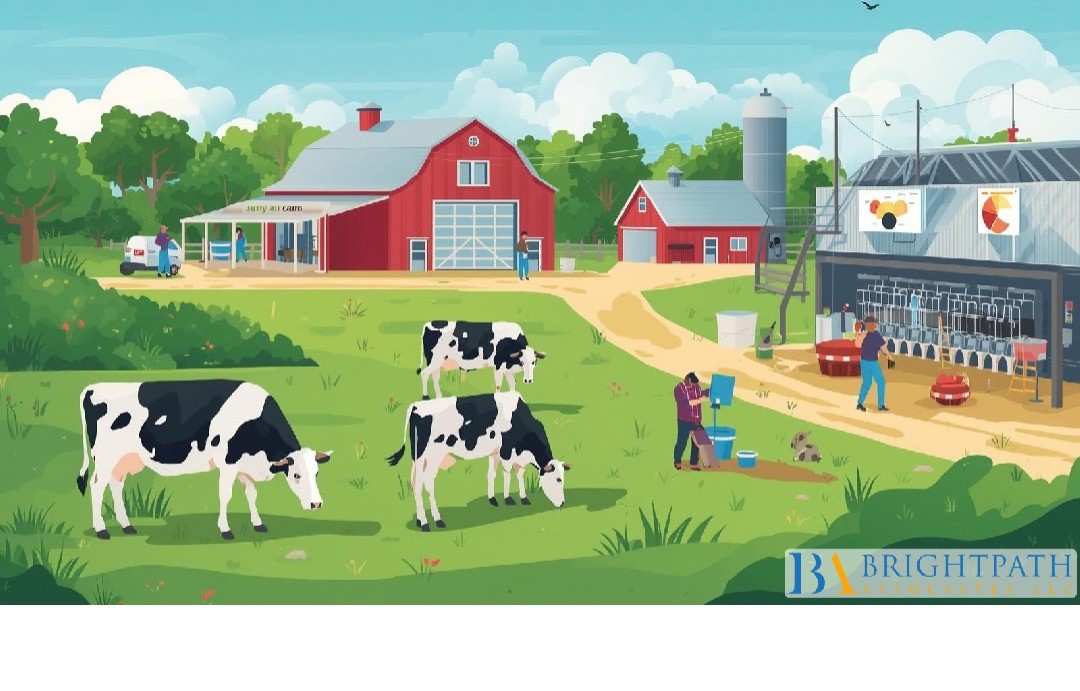
Introduction
The #DairyIndustry is experiencing a significant transformation driven by technological advancement, sustainability initiatives, and evolving consumer expectations. For C-suite executives and founders of small to mid-sized dairy companies, modern dairy farming is no longer limited to traditional milk production methods. Instead, it now involves a strategic combination of advanced technologies, efficient supply chain management, sustainable farming practices, and strong leadership capable of guiding organizations through complex industry changes.
As global demand for dairy products continues to rise, companies are investing in automation, digital monitoring systems, and advanced food technology to improve productivity and efficiency. At the same time, organizations face a growing shortage of experienced leadership capable of managing technological transformation while maintaining operational excellence. This combination of rapid innovation and leadership demand is reshaping how dairy businesses approach growth strategies and workforce development.
The Rise of Technology in Dairy Production
Modern dairy farming relies heavily on technological innovation to improve efficiency, animal welfare, and milk production quality. Automation has become an essential part of dairy operations, allowing farms to streamline processes such as milking, feeding, and health monitoring.
Robotic milking systems are one of the most impactful innovations in dairy automation. These systems allow cows to be milked with minimal human intervention while collecting real-time data about milk yield, cow health, and feeding behavior. By using digital monitoring tools and sensors, farmers can track herd performance and detect potential health issues early, reducing veterinary costs and improving overall productivity.
Food technology is also playing a critical role in the dairy industry. Advanced milk processing technologies help maintain product quality, extend shelf life, and ensure food safety compliance. As dairy companies continue adopting automation and digital tools, leaders must understand how to integrate these systems into their operations while maintaining efficiency across the entire dairy supply chain.
Sustainable Dairy Farming Practices and Environmental Responsibility
Sustainability has become a central focus for modern dairy businesses. Consumers are increasingly concerned about environmental impact, animal welfare, and responsible farming practices. As a result, dairy companies are adopting sustainable dairy farming practices that reduce environmental footprints while improving operational efficiency.
#SustainableFarmingStrategies include efficient water usage, improved waste management systems, and renewable energy integration. Many dairy farms are implementing methane capture technologies and biogas systems that convert waste into renewable energy. These systems not only reduce greenhouse gas emissions but also provide additional energy sources for farm operations.
Feed optimization is another important sustainability initiative. By improving feed efficiency and nutrition management, dairy farms can increase milk production while reducing resource consumption. Technology-driven solutions allow farmers to monitor feed intake, analyze nutritional requirements, and adjust feeding programs to maximize productivity and animal health.
Executives leading dairy organizations must consider sustainability as a strategic business priority rather than a regulatory requirement. Companies that successfully integrate sustainable practices often experience improved brand reputation, stronger consumer trust, and long-term operational resilience.
Digital Transformation in the Dairy Industry
Digital transformation is reshaping how dairy companies operate, manage supply chains, and interact with consumers. Advanced data analytics, cloud-based management systems, and digital monitoring tools are enabling dairy organizations to make more informed decisions and improve overall operational performance.
Data-driven farming practices allow dairy operators to monitor herd health, track milk production patterns, and optimize resource allocation. These technologies provide valuable insights that help managers identify inefficiencies and implement targeted improvements.
In addition, digital transformation is influencing dairy supply chain management. Real-time tracking systems enable companies to monitor product movement from farms to processing facilities and distribution networks. This transparency improves quality control, enhances food safety, and strengthens supply chain reliability.
Dairy e-commerce platforms are also gaining traction, allowing companies to reach new customer segments and expand market access. By combining digital marketing strategies with efficient logistics systems, dairy businesses can strengthen their market presence while meeting the growing demand for convenient product delivery.
Workforce Challenges and Leadership Talent Shortages
While technology and sustainability initiatives are driving industry innovation, many dairy organizations face a critical challenge: leadership talent shortages. As operations become more technologically advanced, companies require executives who understand both traditional dairy farming and modern digital systems.
The demand for experienced leaders in #DairyAutomation, food technology, and supply chain management continues to grow. However, many small to mid-sized companies struggle to find professionals who possess the necessary combination of technical expertise, operational experience, and strategic leadership skills.
This leadership gap is particularly challenging during periods of rapid digital transformation. Organizations need executives capable of guiding technology adoption, managing workforce transitions, and ensuring long-term business sustainability.
The evolving expectations for leadership roles are also reshaping recruitment strategies. Today’s dairy industry leaders must be adaptable, innovation-driven, and capable of managing cross-functional teams across technology, production, and sustainability initiatives.
Strategic Importance of Executive Search Recruitment
As leadership challenges intensify, executive search recruitment has emerged as a critical solution for dairy organizations seeking specialized talent. Traditional hiring approaches often fail to identify candidates with the unique combination of expertise required for modern dairy operations.
#ExecutiveSearchRecruitment focuses on identifying high-level professionals who possess both industry knowledge and leadership capabilities. These recruitment strategies enable dairy companies to access a broader network of qualified candidates, including executives with experience in digital transformation, food technology, and supply chain optimization.
For growing dairy organizations, strategic recruitment plays a crucial role in ensuring business continuity and competitive advantage. Leaders recruited through specialized executive search processes are often better equipped to implement innovation strategies, manage operational complexity, and drive sustainable growth.
Furthermore, executive search recruitment helps organizations identify professionals who align with long-term business goals and corporate culture. This alignment is essential for maintaining organizational stability and successfully executing transformation initiatives.
Strengthening Dairy Supply Chain Management
Effective supply chain management is a fundamental component of modern dairy industry growth strategies. From milk collection and processing to distribution and retail, the dairy supply chain requires precise coordination and efficient logistics.
Technological advancements are improving supply chain visibility and efficiency. Digital tracking systems allow companies to monitor transportation conditions, manage inventory levels, and ensure product freshness throughout the distribution process.
Cold chain logistics is particularly critical for dairy products, which require strict temperature control to maintain quality and safety. Advanced monitoring systems help ensure that products remain within required temperature ranges during transportation and storage.
By integrating digital tools with efficient logistics strategies, dairy companies can reduce product loss, improve delivery reliability, and strengthen relationships with retailers and consumers.
Investing in Technology for Long-Term Industry Growth
#StrategicInvestment in technology is essential for sustaining growth in the dairy industry. Companies that prioritize innovation are better positioned to improve productivity, enhance product quality, and remain competitive in a rapidly evolving market.
Investments in dairy automation, advanced food technology, and digital management systems can significantly improve operational efficiency. These technologies allow companies to scale production, reduce labor costs, and maintain consistent product standards.
However, technology investments must be supported by strong leadership and workforce development strategies. Organizations that successfully integrate technological innovation with skilled leadership teams are more likely to achieve sustainable growth and long-term market success.
Executives must evaluate emerging technologies carefully and implement solutions that align with their operational goals and business strategies.
Conclusion: Building the Future of Modern Dairy Farming
Modern dairy farming is evolving into a sophisticated industry driven by technology, sustainability, and strategic leadership. From dairy automation and digital transformation to sustainable farming practices and supply chain innovation, companies are adopting new approaches to remain competitive and meet growing global demand.
At the same time, leadership talent shortages present a significant challenge for dairy organizations navigating industry transformation. Companies must adopt strategic recruitment practices to identify executives capable of managing technological change, driving innovation, and ensuring long-term business growth.
Executive search recruitment provides a valuable pathway for dairy companies seeking experienced leaders who can guide organizations through complex industry developments. By combining advanced technologies with strong leadership and sustainable practices, dairy businesses can build resilient operations and position themselves for continued success in the evolving global dairy market.
Find your next leadership role in Dairy Industry today!