
Introduction
In an increasingly competitive #BusinessEnvironment, organizations are continuously seeking ways to improve operational efficiency while maintaining productivity and employee satisfaction. One of the most overlooked opportunities lies in the effective use of office space. As companies in the business supplies sector evolve alongside rapid technological advancements and shifting workforce expectations, maximizing office space utilization has become a strategic priority rather than simply a logistical concern.
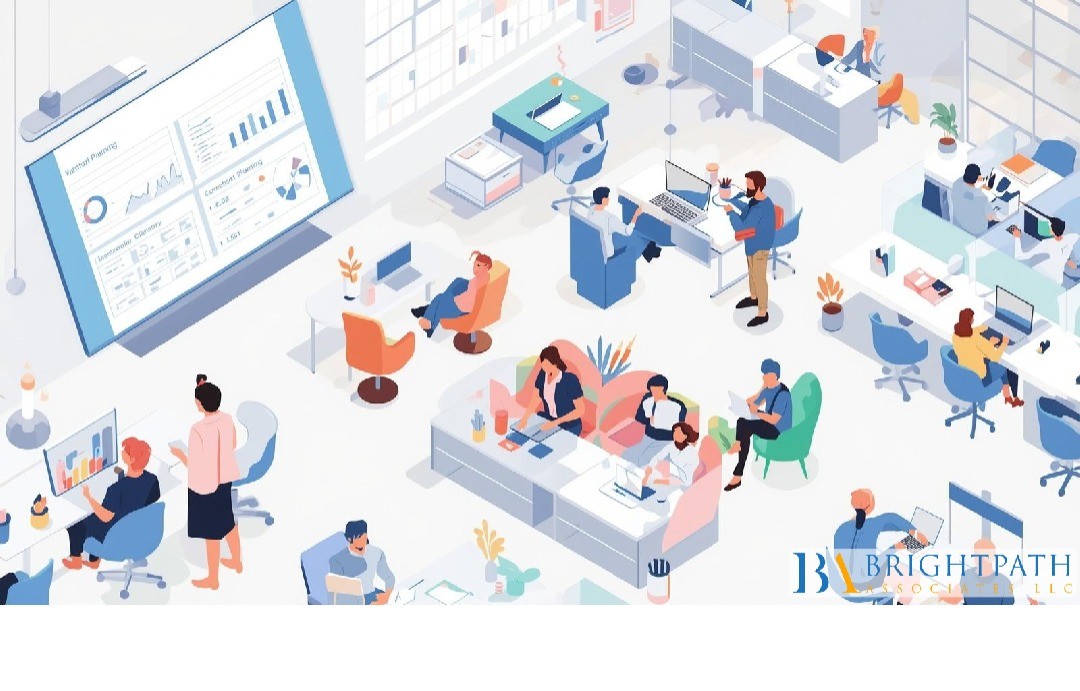
Modern workplaces are no longer static environments filled with fixed desks and traditional office equipment. Instead, they are dynamic ecosystems where collaboration, technology, and strategic planning converge to create efficient workspaces. Companies that adopt thoughtful office space strategies can significantly reduce operational costs, improve employee productivity, and enhance overall organizational agility.
Understanding the Changing Dynamics of Office Environments
Office environments are undergoing significant transformation due to changing business needs, workforce expectations, and technological advancements. Organizations are moving away from conventional layouts and embracing flexible workplace models that support hybrid work, collaboration zones, and technology-driven operations.
Business supplies companies, in particular, must adapt to these evolving trends because their operations rely heavily on logistics coordination, procurement management, and equipment maintenance. Efficient office layouts help streamline communication between teams responsible for supply chain management, vendor coordination, and procurement planning.
In addition, digital transformation in office environments has encouraged companies to rethink how physical spaces support technological infrastructure. Cloud-based systems, collaborative platforms, and advanced office technology tools require spaces that support connectivity, flexibility, and innovation.
The Role of Office Supplies and Equipment in Workspace Efficiency
Efficient office space utilization is closely linked with how organizations manage office supplies and business equipment. From printers and scanners to communication tools and workspace furniture, every element contributes to the overall functionality of the workplace.
Companies that strategically organize #OfficeEquipment and resources can significantly improve workflow efficiency. Centralized supply stations, shared equipment hubs, and properly maintained office technology can reduce unnecessary movement across departments and streamline daily operations.
Commercial office furniture also plays an important role in space optimization. Modular furniture, adjustable desks, and multifunctional workstations allow organizations to adapt quickly to changing team structures and workspace requirements. By integrating flexible furniture solutions, companies can maximize floor space while maintaining comfort and productivity.
Supply Chain Trends Influencing Office Space Decisions
The office supply industry is deeply connected to broader supply chain trends. Companies that manage procurement and vendor relationships must often allocate office space for inventory tracking, coordination meetings, and technology infrastructure used for supply chain monitoring.
As supply chains become more data-driven, organizations are integrating digital dashboards, analytics platforms, and collaborative systems into their operations. These technological tools require dedicated spaces that facilitate cross-functional collaboration between procurement teams, logistics coordinators, and vendor management professionals.
Furthermore, the growing reliance on strategic partnerships with office supply vendors has increased the importance of coordination areas within office environments. These spaces enable procurement teams to conduct planning sessions, review vendor performance, and evaluate supply chain efficiency.
Organizations that align their office space design with supply chain operations can create smoother communication channels and more efficient decision-making processes.
Digital Transformation and the Modern Office
#DigitalTransformation is reshaping the way businesses operate, and office environments must evolve accordingly. Advanced office technology solutions, including automation systems, cloud platforms, and collaborative software, are redefining traditional workplace structures.
In the business supplies industry, digital transformation has streamlined procurement processes, inventory management, and vendor coordination. Many companies now rely on digital procurement systems that allow employees to track supplies, monitor equipment usage, and manage vendor relationships through integrated platforms.
To support these technologies, office spaces must incorporate areas designed for digital collaboration, data analysis, and strategic planning. Conference rooms equipped with smart technology, collaborative workstations, and quiet focus zones are becoming essential components of modern office environments.
Companies that effectively integrate digital infrastructure into their workspace design can enhance productivity while reducing inefficiencies associated with outdated office layouts.
Strategic Procurement and Resource Allocation
Procurement teams play a central role in ensuring that office supplies and equipment are managed efficiently. Strategic procurement practices not only help control costs but also contribute to optimal office space utilization.
Organizations that implement structured procurement strategies can minimize excess inventory, reduce storage requirements, and streamline supply distribution across departments. By maintaining accurate inventory records and leveraging vendor partnerships, companies can ensure that office resources are readily available without occupying unnecessary workspace.
Additionally, equipment maintenance programs are crucial for sustaining operational efficiency. Properly maintained office equipment reduces downtime, prevents operational disruptions, and extends the lifespan of valuable assets.
Businesses that prioritize proactive maintenance strategies can avoid clutter caused by outdated or malfunctioning equipment while maintaining an organized and efficient workspace.
Talent Acquisition and Leadership in Workspace Optimization
As office environments evolve, leadership plays a critical role in guiding organizations through transformation. The business supplies sector is experiencing increasing demand for executives who possess both operational expertise and strategic vision.
Leaders responsible for facilities management, procurement strategy, and digital transformation must collaborate closely to ensure that office spaces align with long-term business goals. However, many organizations are facing challenges in identifying and attracting leaders who can successfully manage these complex responsibilities.
This growing leadership gap has placed greater emphasis on strategic #TalentAcquisitionStrategies. Companies are increasingly focusing on recruiting executives who understand supply chain trends, office technology advancements, and modern workplace design.
Such leaders must also be capable of integrating operational efficiency with employee engagement, ensuring that office environments support both productivity and collaboration.
Executive Search Recruitment as a Strategic Solution
To address leadership challenges in the evolving workplace landscape, many organizations are turning to specialized executive search recruitment strategies. These approaches focus on identifying highly qualified leaders who possess the expertise needed to navigate complex operational environments.
#ExecutiveSearchRecruitment provides businesses with access to a wider talent pool, including experienced professionals who have successfully led organizational transformation initiatives. By leveraging specialized recruitment expertise, companies can identify executives with deep knowledge of supply chain management, procurement optimization, and digital workplace innovation.
In the business supplies sector, this targeted approach to talent acquisition is particularly valuable. Companies require leaders who understand the intricacies of office supply logistics, vendor relationships, and equipment management while also driving innovation in workspace design.
Organizations that adopt strategic executive search recruitment practices can strengthen their leadership teams and position themselves for long-term growth.
Building a Future-Ready Workplace
The future of office environments will continue to evolve as businesses embrace new technologies, workforce models, and operational strategies. Companies that prioritize efficient office space utilization will be better positioned to adapt to these changes while maintaining productivity and cost efficiency.
Flexible workspaces, advanced office technology, and strategic procurement practices will play key roles in shaping modern office environments. At the same time, organizations must invest in leadership talent capable of managing these transformations and guiding teams toward sustainable growth.
By aligning workspace design with supply chain operations, digital transformation initiatives, and talent acquisition strategies, businesses can create environments that support both operational excellence and employee engagement.
Conclusion
Maximizing office space utilization is no longer simply a #FacilitiesManagement task—it has become a strategic business priority. Companies operating within the business supplies industry must carefully evaluate how office environments support operational workflows, technology integration, and leadership collaboration.
Organizations that embrace modern workspace strategies can unlock significant benefits, including improved productivity, streamlined procurement processes, and stronger collaboration across departments. At the same time, addressing leadership talent gaps through strategic talent acquisition approaches ensures that companies have the expertise required to manage evolving workplace demands.
By combining efficient office design, advanced technology, and forward-thinking leadership strategies, businesses can create resilient workplaces that drive long-term success in an increasingly dynamic industry.
Find your next leadership role in Business Supplies Industry today!
Stay informed with the latest insights on Business Supplies Industry!