
Introduction
If you lead a small to mid-sized #FarmingCompany, you are operating in one of the most complex labor environments the agricultural sector has ever faced. The food production industry depends on a reliable, skilled workforce, yet labor shortages continue to intensify across crop production, livestock management, and agribusiness operations. Rising input costs, climate variability, supply chain disruptions, and evolving compliance standards are placing unprecedented pressure on your operational model. At the center of these pressures lies a critical issue: leadership and workforce capability.
Across global agriculture markets, farm labor shortages have led to measurable production losses, delayed harvests, and increased wage costs. Studies indicate that a significant percentage of farms report difficulty filling skilled roles, particularly in areas related to agricultural technology, precision agriculture, and digital farm management systems. While automation and digital farming tools are reshaping field operations, they cannot replace the need for capable leaders who can integrate innovation with practical execution.
For you as a C-suite executive or founder, the labor challenge is no longer limited to seasonal field workers. It extends to executive hiring, strategic management, and succession planning. The modern farm workforce crisis is as much about leadership capability as it is about labor availability.
The Expanding Scope of Agricultural Workforce Demands
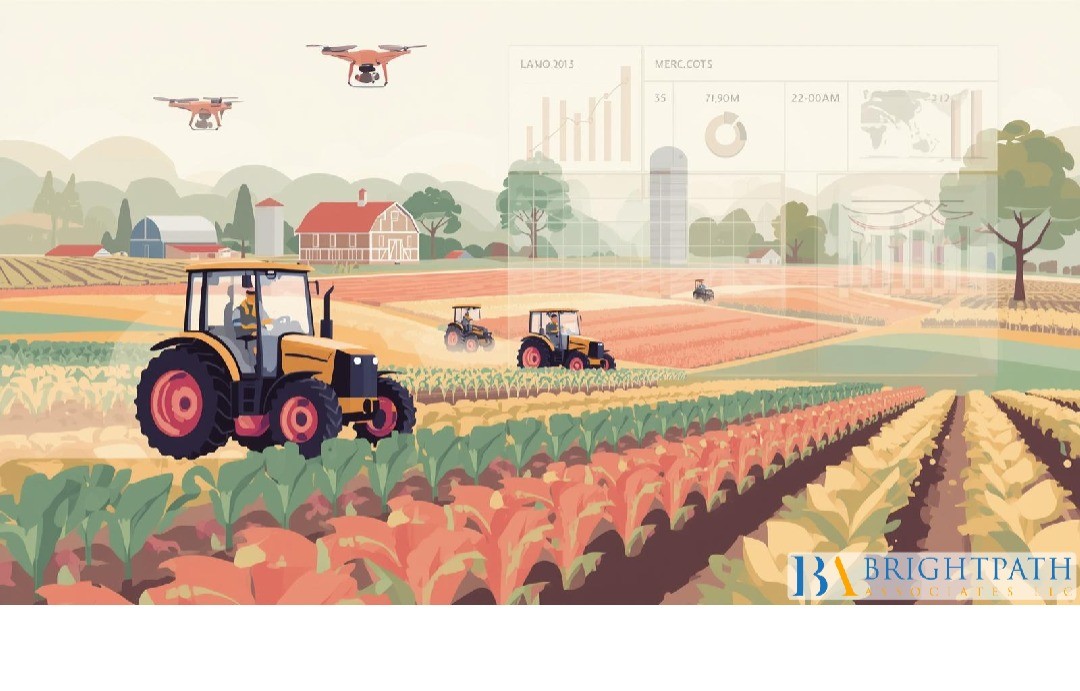
The traditional image of farm labor has shifted dramatically. Today’s farming operations incorporate precision agriculture technologies, farm management software, satellite-guided equipment, automated irrigation systems, and data-driven crop forecasting models. Agricultural innovation has transformed farms into technology-enabled enterprises requiring multidisciplinary expertise.
You now need agronomists who understand sustainable farming practices, operations managers capable of implementing digital farming platforms, and financial leaders who can evaluate sustainable agriculture investment opportunities. This shift has elevated the complexity of hiring decisions across the farming sector.
Data consistently shows that farms adopting precision agriculture techniques can improve yields by up to 15% while reducing input costs such as water and fertilizers. However, achieving these gains depends on leaders who can manage both technological integration and workforce training. Without strong executive oversight, investments in agricultural technology often fail to deliver their projected returns.
The food production industry also faces increasing scrutiny around agricultural sustainability. Consumers, regulators, and investors expect transparency in sourcing, soil health practices, and carbon footprint management. Sustainable farming is no longer optional; it is a competitive necessity. Yet implementing sustainable agriculture strategies requires leaders who understand environmental compliance, operational efficiency, and long-term profitability.
Leadership Talent Shortages in Modern Agriculture
While much attention focuses on field labor shortages, a quieter but equally urgent challenge is emerging at the leadership level. Many experienced farm operators and agricultural executives are approaching retirement, leaving a limited pipeline of successors prepared to manage increasingly complex enterprises.
Small to mid-sized farming companies are particularly vulnerable. Unlike large agribusiness conglomerates, you may not have formal succession frameworks or structured leadership development programs. As a result, transitions can disrupt operational continuity, supplier relationships, and financial performance.
The role expectations for farm executives have evolved significantly. You are no longer simply managing acreage or livestock output. You are navigating commodity price volatility, #SupplyChainLogistics, export regulations, digital transformation, and workforce engagement strategies. Modern agricultural leaders must combine operational knowledge with financial acumen, technological fluency, and sustainability expertise.
This expanded skill set has narrowed the talent pool. Candidates with deep agricultural experience and strategic leadership capability are in high demand across the food production industry. Competition for such executives is intense, and traditional hiring methods often fail to attract high-performing, passive candidates who are not actively seeking new roles.
Shifting Executive Hiring Practices in Agriculture
Executive hiring within farming companies has transitioned from informal, relationship-driven processes to more structured, strategic approaches. Historically, leadership roles were often filled through family succession or local industry networks. While these pathways still exist, they are no longer sufficient to meet the demands of modern agricultural operations.
Today, you must evaluate candidates not only for operational experience but also for their ability to lead digital transformation initiatives, implement farm management software, and align sustainable farming strategies with profitability goals. Behavioral competencies such as adaptability, cross-functional collaboration, and strategic foresight have become critical selection criteria.
Organizations that adopt rigorous executive search methodologies tend to achieve stronger leadership outcomes. Structured assessments, market mapping, and competency-based evaluations increase the likelihood of securing executives who can navigate agricultural innovation while maintaining operational stability.
This is where Executive Search Recruitment becomes a strategic differentiator for your organization. By leveraging industry-specific insights and extensive leadership networks, specialized search partners identify candidates who possess both technical agricultural expertise and forward-looking leadership capabilities. Instead of relying solely on active job applicants, executive search processes proactively engage high-performing leaders across the sector.
Integrating Technology with Workforce Strategy
Agricultural technology and digital farming solutions are rapidly redefining workforce requirements. Automated equipment, remote sensing tools, and predictive analytics platforms can significantly enhance productivity. However, these technologies demand skilled operators and visionary leaders to maximize their value.
As a decision-maker, you must align your #WorkforceStrategy with your technology roadmap. Investments in precision agriculture tools without parallel investments in leadership and talent acquisition strategies can create operational misalignment. For example, implementing advanced irrigation systems requires managers who understand data interpretation, maintenance planning, and cost-benefit analysis.
Farm management software platforms can centralize operations, track inventory, and monitor performance metrics. Yet their success depends on leaders who champion adoption and train teams effectively. Without executive sponsorship and clear accountability structures, digital transformation initiatives often stall.
By strengthening your executive bench through targeted Executive Search Recruitment, you ensure that your organization possesses the leadership depth required to integrate agricultural innovation seamlessly. This alignment accelerates return on investment and enhances competitive positioning within the food production industry.
Sustainable Farming and Strategic Workforce Planning
Sustainable farming and agricultural sustainability initiatives are reshaping the competitive landscape. Investors increasingly evaluate farms based on environmental stewardship, resource efficiency, and long-term resilience. Sustainable agriculture investment is flowing toward operations that demonstrate measurable progress in soil health, water conservation, and emissions reduction.
To capitalize on these opportunities, your leadership team must understand regulatory frameworks, reporting requirements, and sustainability metrics. This requires executives who can balance environmental goals with financial performance.
Strategic workforce planning becomes essential in this context. You must anticipate future skill requirements, develop succession pipelines, and build leadership capacity aligned with sustainability objectives. Farms that proactively address leadership gaps are better positioned to secure funding, attract partnerships, and expand into new markets.
Executive Search Recruitment supports this forward-looking approach by identifying leaders who bring both operational credibility and sustainability expertise. By engaging specialized recruitment partners, you reduce the risk of misaligned hires and strengthen your organizational resilience.
Building a Resilient Farm Workforce Through Leadership Excellence
The modern farm workforce challenge is multifaceted. Labor shortages at the field level intersect with leadership shortages at the executive level. Agricultural technology, digital farming, and sustainable agriculture initiatives intensify the demand for skilled management.
Your competitive advantage depends on how effectively you respond. Farms with strong leadership teams demonstrate higher productivity, improved employee retention, and greater adaptability during market fluctuations. They implement agricultural innovation with confidence and maintain operational continuity despite external disruptions.
#ExecutiveSearchRecruitment is not merely a solution for filling vacancies. It is a strategic investment in long-term stability and growth. By proactively strengthening your leadership pipeline, you position your farming enterprise to navigate workforce challenges with clarity and resilience.
As you evaluate your organization’s readiness for the future, consider whether your current executive team possesses the expertise to lead precision agriculture initiatives, manage sustainable farming transitions, and optimize digital farm management systems. If gaps exist, addressing them through specialized recruitment strategies can accelerate transformation.
The labor challenge confronting modern farming is real, measurable, and urgent. Yet it also presents an opportunity. By aligning agricultural innovation with leadership excellence, you can transform workforce pressures into a platform for growth, sustainability, and competitive differentiation within the evolving food production industry.
Find your next leadership role in Farming Industry today!