
Introduction
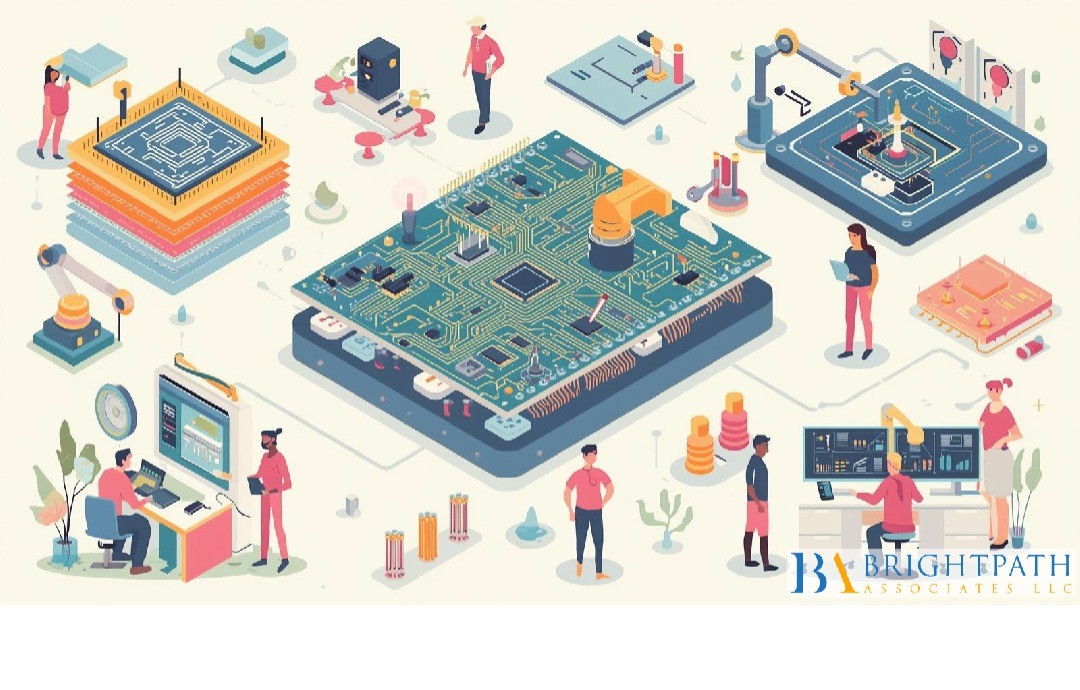
Printed circuit boards form the structural and functional backbone of modern #ElectronicDevices, from industrial control systems to advanced computing platforms. For small to mid-sized Electrical & Electronics companies, PCB manufacturing is not simply a production activity; it is a strategic capability that influences product performance, customer satisfaction, and long-term profitability. As global demand for connected devices, automation systems, and high-speed computing continues to expand, the complexity of PCB fabrication and assembly has intensified.
The electronics manufacturing services sector has experienced sustained growth, fueled by advancements in electronic design, miniaturization, and integrated systems. Multilayer boards, high-density interconnect structures, and advanced substrate materials are now standard in many industrial manufacturing environments. These developments require precision engineering solutions and sophisticated quality assurance systems. At the executive level, PCB manufacturing excellence has become closely tied to competitive positioning within the broader electronics industry supply chain.
Core PCB Manufacturing Processes and Technological Evolution
PCB manufacturing encompasses several critical stages, including design validation, material selection, imaging, etching, drilling, plating, lamination, and final assembly. Each step must be executed with micron-level precision to ensure reliability and durability. As devices shrink and functionality expands, tolerance margins narrow significantly, elevating the importance of advanced process control.
High-density interconnect technology has enabled greater component density, while multilayer PCB configurations allow for enhanced performance in compact footprints. Automation has become central to maintaining consistency across production runs. Robotics, computer-aided manufacturing, and advanced inspection systems now play integral roles in maintaining yield and minimizing defects.
For executives, the technological evolution of PCB manufacturing introduces both opportunity and risk. Investment in advanced fabrication equipment and digital monitoring systems can drive operational efficiency, yet these investments demand strategic oversight. Leaders must evaluate capital allocation decisions carefully, balancing innovation with financial discipline.
Innovation and Digital Transformation in Manufacturing
#DigitalTransformation manufacturing initiatives are reshaping PCB production environments. Smart factory models leverage real-time data analytics, predictive maintenance systems, and integrated enterprise resource planning platforms. These systems enable manufacturers to monitor throughput, track material usage, and optimize workflow across facilities.
Artificial intelligence applications are increasingly deployed for defect detection and quality assurance. Automated optical inspection systems powered by machine learning algorithms identify micro-defects with high accuracy, reducing rework rates and improving overall yield. Data-driven decision-making enhances cost control and strengthens supply chain coordination.
Electrical manufacturing companies that embrace digital transformation gain measurable advantages in responsiveness and scalability. However, successful implementation requires leadership that understands both technological frameworks and organizational change management. The integration of digital tools into established manufacturing processes is as much a cultural shift as a technical one.
Supply Chain Complexity and Competitive Pressure
The global electronics industry supply chain has faced persistent volatility. Component shortages, logistics disruptions, and geopolitical uncertainties have highlighted the fragility of interconnected manufacturing networks. PCB manufacturers must now incorporate resilience strategies into their operational models.
Reshoring initiatives and regional supply diversification are gaining momentum as companies seek to reduce dependency on single-source suppliers. Sustainability considerations are also influencing procurement and production strategies, with customers demanding #EnvironmentallyResponsible materials and processes.
Navigating these complexities demands executives who possess cross-functional expertise. Leaders must align procurement strategies with engineering objectives while maintaining compliance with regulatory standards. The intersection of operational excellence and strategic foresight defines modern leadership in electronics manufacturing services.
Leadership Talent Shortages and Expanding Executive Expectations
Despite rapid technological progress, the Electrical & Electronics sector faces a significant talent gap at the executive level. A substantial portion of experienced professionals in electrical engineering and electronic engineering roles are approaching retirement, intensifying succession challenges. Simultaneously, emerging technologies require leaders with advanced technical literacy and digital fluency.
The expectations placed on executives have broadened considerably. Today’s manufacturing leaders must oversee digital transformation manufacturing initiatives, manage global supply chains, ensure regulatory compliance, and drive product innovation. They are expected to integrate engineering solutions with business strategy while fostering collaborative, high-performance teams.
Leadership gaps can have far-reaching consequences. Delayed executive appointments may disrupt product development cycles, weaken customer relationships, and slow response to market shifts. In a competitive landscape characterized by rapid technological change, such delays carry measurable financial implications.
The Strategic Evolution of Recruitment Practices
Traditional recruitment approaches, often centered on transactional hiring, are increasingly inadequate for addressing complex leadership requirements. Electrical manufacturing companies are turning toward executive search recruitment methodologies that prioritize strategic alignment and long-term impact.
#ExecutiveSearchRecruitment focuses on identifying leaders with proven experience in manufacturing innovation, supply chain optimization, and digital transformation. It emphasizes cultural fit, leadership style, and adaptability in addition to technical competence. This comprehensive evaluation reduces hiring risk and enhances organizational cohesion.
Specialized recruitment partners also provide market intelligence, enabling companies to benchmark compensation structures and understand competitive hiring trends. For small to mid-sized enterprises, access to this intelligence levels the playing field in attracting high-caliber talent.
Executive Search Recruitment as a Growth Accelerator
As PCB manufacturing becomes more technologically sophisticated, aligning leadership capability with strategic objectives becomes paramount. Executive search recruitment serves as a growth accelerator by connecting organizations with leaders who possess both technical depth and strategic acumen.
Brightpath Associates exemplifies this strategic approach. By focusing on industry-specific talent mapping and leadership alignment, the firm supports Electrical & Electronics companies in securing executives capable of driving innovation and operational excellence. Its executive search recruitment methodology emphasizes both engineering credibility and visionary leadership, ensuring that candidates can navigate complex manufacturing ecosystems.
Investing in specialized executive recruitment strengthens succession planning, enhances organizational resilience, and accelerates innovation initiatives. For PCB manufacturers operating in dynamic markets, this investment translates into sustained competitive advantage.
Securing Competitive Advantage Through Process and People
PCB manufacturing excellence is built on two pillars: advanced processes and exceptional leadership. While innovation in materials, automation, and digital tools drives technical performance, leadership determines #StrategicDirection and organizational cohesion.
C-suite executives and founders must recognize that workforce strategy is inseparable from manufacturing strategy. By proactively addressing leadership shortages and adopting strategic executive search recruitment practices, companies position themselves to capitalize on emerging opportunities in electronic design, engineering solutions, and digital transformation manufacturing.
In an industry defined by precision and speed, competitive advantage depends on aligning process mastery with visionary leadership. Electrical & Electronics companies that integrate both dimensions will not only navigate market volatility but will define the future of manufacturing innovation.
Find your next leadership role in Electrical and Electronics Industry today!
Stay informed with the latest insights on Electrical and Electronics Industry!