
Introduction
Modern farm economics is no longer defined solely by acreage, yield per hectare, or commodity pricing cycles. For C-suite executives and founders of small to mid-sized #FarmingCompanies, competitive advantage increasingly hinges on agricultural technology adoption, strategic capital allocation, and leadership agility. The global food production industry continues to expand to meet the needs of a growing population, with projections indicating steady long-term demand for grains, proteins, specialty crops, and value-added agricultural products. However, profitability margins remain volatile, influenced by climate variability, input cost fluctuations, and global trade dynamics.
Within this landscape, sustainable agriculture investment and operational efficiency have emerged as central drivers of resilience. Agricultural sustainability is no longer a branding initiative but a financial imperative. Companies that integrate precision agriculture, digital farming tools, and disciplined management practices are better positioned to withstand market shocks and capture premium pricing opportunities.
The Rise of Agricultural Technology and Digital Farming Models
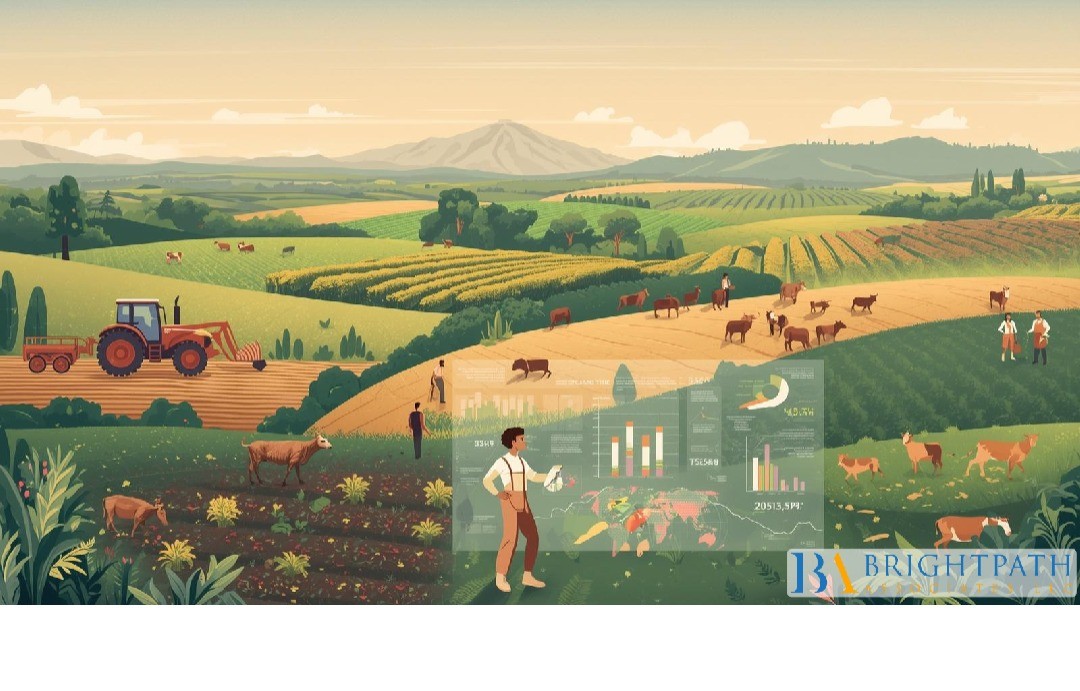
Agricultural technology is transforming how farms operate, analyze data, and allocate resources. Precision agriculture tools such as GPS-guided equipment, drone-based crop monitoring, and soil sensors enable real-time decision-making. Farm management software platforms consolidate operational, financial, and agronomic data into unified dashboards, empowering executives to track performance metrics across large and diverse land portfolios.
Studies consistently demonstrate that precision agriculture can improve input efficiency by reducing fertilizer and pesticide usage while maintaining or enhancing yields. Digital farming platforms also improve water management, reduce waste, and support predictive analytics for harvest optimization. For farming companies operating at scale, even marginal efficiency improvements translate into substantial financial gains.
The integration of agricultural innovation extends beyond crop management. Automation in harvesting, AI-driven livestock monitoring, and blockchain-based traceability systems are increasingly common. These technologies not only improve productivity but also strengthen relationships with downstream buyers in the food production industry who demand transparency and quality assurance.
However, technology implementation requires strategic leadership. Executives must evaluate vendor partnerships, oversee training programs, and ensure return on investment. Without leadership capable of interpreting data insights and aligning them with business strategy, even the most advanced digital farming systems may fail to deliver expected value.
Sustainable Farming and Capital Allocation in a Margin-Driven Industry
#SustainableFarming has become integral to long-term economic viability. Environmental regulations, consumer preferences, and investor expectations increasingly favor operations that demonstrate measurable commitments to soil health, carbon reduction, and biodiversity preservation. Organic farming and regenerative practices are gaining market share, often commanding premium pricing in both domestic and export markets.
Sustainable agriculture investment often involves upfront capital expenditures in equipment, renewable energy systems, and certification processes. While these investments may temporarily compress margins, they frequently yield long-term benefits through improved soil productivity, lower input costs, and enhanced brand positioning.
Executives must therefore balance short-term profitability with long-term resilience. Strategic capital planning becomes essential, particularly for small to mid-sized farming enterprises that may lack extensive financial buffers. Leaders who understand both agronomic science and financial modeling are better equipped to evaluate sustainability initiatives as economic drivers rather than compliance obligations.
Market Volatility, Supply Chain Pressures, and Strategic Risk Management
Modern farm economics is deeply influenced by supply chain complexity. Disruptions in transportation, fluctuations in global commodity markets, and input price volatility can significantly impact operating margins. Integration with the broader food production industry requires consistent quality, timely delivery, and adherence to evolving regulatory standards.
Farm management software plays an increasingly important role in mitigating these risks. Data analytics enable scenario planning, forecasting, and inventory optimization. Diversified crop portfolios, contract farming arrangements, and vertical integration strategies further enhance resilience.
Executives in farming companies must adopt comprehensive risk management frameworks that incorporate climate modeling, insurance strategies, and financial hedging. The intersection of agricultural technology and financial oversight underscores the expanding scope of leadership responsibility. Companies that fail to proactively manage volatility risk falling behind more agile competitors.
Leadership Talent Shortages in the Farming Sector
While technological and sustainability advancements reshape operations, the farming sector faces a significant leadership talent shortage. Industry reports indicate that a large percentage of agricultural operators are approaching retirement age, with fewer young professionals entering leadership roles at comparable rates. This demographic imbalance creates succession challenges for small to mid-sized enterprises.
Moreover, the skill profile required for modern #AgriculturalLeadership has changed dramatically. Executives must possess fluency in digital farming systems, regulatory compliance, sustainability frameworks, and global market dynamics. Traditional farming expertise, while invaluable, is no longer sufficient in isolation.
Competition for skilled leaders extends beyond agriculture. Professionals with experience in data analytics, supply chain management, and sustainability are actively recruited by sectors such as manufacturing, renewable energy, and technology. As a result, farming companies must compete aggressively for top-tier executive talent.
Expanding Executive Role Expectations in Agricultural Enterprises
The responsibilities of Chief Executive Officers, Chief Operations Officers, and Chief Financial Officers in farming companies have expanded significantly. Leaders are expected to oversee agricultural innovation initiatives, manage sustainable farming transitions, and cultivate partnerships within the food production industry.
Investor and #StakeholderExpectations further intensify pressure. Transparency in environmental metrics, workforce practices, and governance standards is increasingly required. Executives must communicate complex sustainability data while maintaining profitability targets.
Precision agriculture and digital farming systems also demand cross-functional collaboration. Agronomists, data scientists, financial analysts, and operations managers must work cohesively. Effective leadership hinges on the ability to foster interdisciplinary teams and drive cultural change within traditionally structured organizations.
The Evolution of Recruitment Practices in Agriculture
In response to these shifts, recruitment practices within the farming sector are evolving. Traditional hiring methods reliant on local networks or generational succession are giving way to more strategic talent acquisition strategies. Companies are recognizing that leadership gaps cannot be addressed solely through internal promotions, particularly when new skill sets are required.
Competency-based assessments, structured interviews, and cross-industry candidate searches are becoming more common. Agricultural enterprises are increasingly open to leaders from adjacent industries who bring expertise in digital transformation, sustainability strategy, or operational scaling.
However, identifying and attracting such talent requires specialized knowledge and networks. Small to mid-sized farming companies often lack the internal resources to conduct comprehensive market mapping or discreet executive outreach.
Executive Search Recruitment as a Strategic Growth Lever
In this context, executive search recruitment emerges as a critical enabler of sustained economic edge. Specialized recruitment partners with expertise in agriculture understand the unique intersection of agricultural technology, sustainable farming, and market risk management. They maintain access to passive candidates who possess the hybrid skill sets required for modern farm leadership.
#ExecutiveSearchRecruitment firms conduct rigorous evaluations that assess strategic thinking, cultural alignment, and technical competence. This reduces the risk associated with high-level appointments and accelerates leadership transitions. For farming companies navigating digital farming adoption and sustainable agriculture investment, securing the right executive can significantly influence long-term profitability.
Brightpath Associates, accessible positions executive search recruitment as a strategic partnership tailored to the evolving needs of agricultural enterprises. By aligning leadership capabilities with growth objectives, they help farming companies build resilient executive teams prepared to navigate technological disruption and market volatility.
Conclusion: Securing Long-Term Economic Edge Through Leadership
Thriving in modern farm economics requires more than operational excellence. It demands visionary leadership capable of integrating agricultural innovation, precision agriculture, and sustainable farming practices into cohesive business strategies. As the food production industry grows increasingly interconnected and technology-driven, the margin for strategic error narrows.
For C-suite executives and founders of small to mid-sized farming companies, investing in leadership is as critical as investing in equipment or land. Addressing talent shortages, redefining executive expectations, and adopting modern recruitment strategies are essential steps toward sustained competitiveness.
By leveraging executive search recruitment to secure forward-thinking leaders, agricultural enterprises can strengthen resilience, capture emerging opportunities, and maintain their economic edge in an increasingly complex global marketplace.
Find your next leadership role in Farming Industry today!