
The Strategic Importance of Comprehensive Logistics Solutions
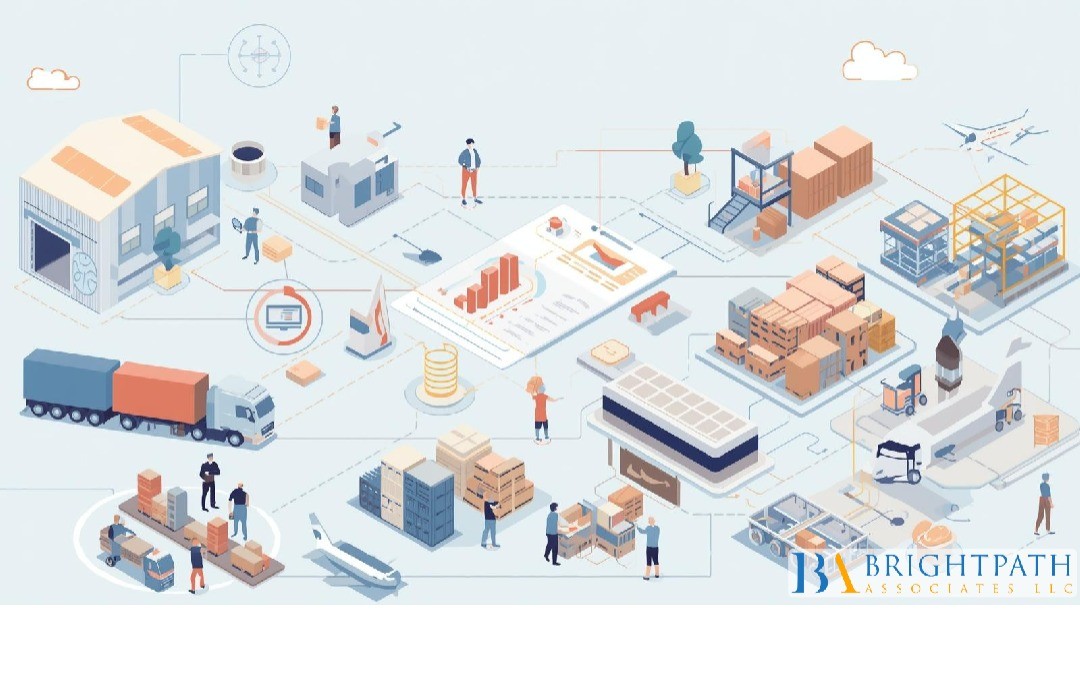
The #LogisticsSector has evolved from a cost-centered operational function into a strategic growth enabler for businesses across industries. Logistics companies in the USA and globally are facing unprecedented complexity driven by e-commerce expansion, electronics supply chain management demands, geopolitical disruptions, and rising customer expectations for speed and transparency. Comprehensive logistics solutions—integrating freight shipping, warehouse services, transportation services, and advanced logistics management—have become critical to maintaining business continuity and competitive advantage.
For small to mid-sized logistics companies, this transformation has heightened the importance of leadership capable of aligning operational execution with long-term strategy. As supply chain solutions grow more technology-driven and interconnected, executive decision-making directly influences profitability, resilience, and customer trust.
Market Forces Reshaping the Logistics Industry
Several macro trends are redefining the logistics landscape. The continued growth of e-commerce and omnichannel retail has increased demand for agile 3PL services and scalable warehouse services. At the same time, manufacturers and distributors are seeking diversified freight brokerage services to mitigate risk and ensure supply chain continuity amid global uncertainty.
Industry data shows that logistics costs as a percentage of sales have risen steadily since 2023, placing pressure on logistics management teams to optimize routes, inventory positioning, and transportation services. Technology logistics solutions, including real-time tracking, predictive analytics, and automation, are now essential tools for managing this complexity. These market forces have elevated logistics from a back-office function to a board-level priority.
Technology-Driven Logistics Solutions and Operational Complexity
Technology has become a defining factor in modern logistics success. Advanced #TransportationManagementSystems, warehouse automation, and data-driven freight shipping platforms are enabling companies to improve visibility, reduce delays, and enhance customer experience. For electronics supply chain management in particular, precision, compliance, and speed are non-negotiable requirements.
However, the adoption of technology logistics solutions has also increased organizational complexity. Executives must oversee digital transformation initiatives while maintaining service reliability and cost control. This balancing act requires leadership with both operational expertise and strategic vision, a combination that remains in short supply across the logistics sector.
Leadership Accountability in End-to-End Supply Chain Performance
As logistics solutions become more comprehensive, executive accountability has expanded significantly. Today’s logistics leaders are responsible not only for moving goods but also for ensuring supply chain resilience, regulatory compliance, sustainability initiatives, and customer satisfaction. Failures in logistics execution now have immediate financial and reputational consequences.
Boards and investors increasingly expect C-suite leaders to demonstrate proactive risk management and adaptability. This expectation has reshaped executive roles within logistics companies, placing greater emphasis on cross-functional collaboration, data literacy, and long-term capacity planning. Leadership effectiveness has become a direct driver of business success.
Executive Talent Shortages
Despite rising demand for experienced logistics leaders, the industry continues to face a significant talent shortage. Workforce studies indicate that more than 60% of logistics companies report difficulty filling senior roles in logistics management, #SupplyChain strategy, and technology integration. This shortage is particularly acute among small to mid-sized firms competing with global logistics providers for limited talent.
The lack of qualified executives has tangible consequences. Leadership gaps can delay the rollout of new freight brokerage services, weaken warehouse optimization efforts, and limit the effectiveness of 3PL services. In an environment where responsiveness and reliability define customer relationships, prolonged leadership vacancies pose serious risks.
Evolving Executive Role Expectations in Logistics Organizations
Executive role expectations in logistics have evolved rapidly over the past three years. Leaders are no longer evaluated solely on cost efficiency or on-time delivery metrics. They are now expected to drive innovation, oversee digital transformation, and build resilient supply chain solutions capable of absorbing shocks.
From 2023 to 2025, logistics executives have increasingly been required to manage technology investments, cybersecurity risks, and workforce transformation initiatives. The integration of technology logistics solutions into daily operations demands leaders who can bridge the gap between systems, people, and strategy. This evolution has narrowed the pool of candidates capable of meeting modern leadership requirements.
Workforce Strategy and Organizational Resilience
Comprehensive logistics solutions depend on a skilled and adaptable workforce. As automation and analytics reshape warehouse services and #TransportationOperations, leadership must guide workforce reskilling and cultural change. Effective executives understand that technology alone cannot deliver results without engaged, well-trained teams.
Organizations with strong leadership are better positioned to manage labor volatility, reduce turnover, and maintain service quality during periods of disruption. Conversely, leadership instability often leads to fragmented execution, lower morale, and reduced customer confidence. Workforce strategy has become inseparable from logistics performance.
Recruitment Challenges in a Specialized and Competitive Market
Recruiting senior leaders for logistics companies presents unique challenges. The most effective executives possess hybrid skill sets combining operational expertise, commercial acumen, and digital literacy. Traditional recruitment methods often struggle to assess these multidimensional capabilities, leading to misaligned hires or extended vacancy periods.
For logistics companies in the USA, the competitive labor market further complicates recruitment. Demand for leaders with experience in freight shipping, supply chain solutions, and 3PL services consistently outpaces supply. In this environment, executive hiring mistakes can be costly, affecting service delivery and growth trajectories.
The Strategic Evolution of Executive Search Recruitment
#ExecutiveSearchRecruitment has emerged as a strategic response to leadership shortages in the logistics sector. Unlike transactional hiring approaches, executive search recruitment focuses on identifying leaders with proven experience in managing complexity, scaling operations, and driving transformation.
Specialized executive search recruitment enables logistics companies to access passive talent, conduct rigorous leadership assessments, and align hiring decisions with long-term business goals. This approach is particularly valuable for organizations implementing comprehensive logistics solutions that span freight brokerage services, warehouse operations, and technology-driven logistics management.
Executive Search as a Driver of Competitive Advantage
Strong leadership sends a powerful signal to customers, partners, and investors. Logistics companies that invest in executive search recruitment demonstrate a commitment to governance, performance, and sustainable growth. By securing leaders capable of navigating market volatility, organizations enhance their ability to deliver consistent value.
Brightpath Associates supports logistics organizations by providing executive search recruitment tailored to complex, growth-oriented environments. By aligning leadership capabilities with operational and strategic objectives, the firm helps companies strengthen resilience, accelerate transformation, and maintain competitive positioning.
Preparing for the Future of Comprehensive Logistics Solutions
Looking ahead, the logistics industry will continue to face rapid change driven by technology, customer expectations, and global uncertainty. Comprehensive logistics solutions will remain central to business success, but their effectiveness will depend heavily on leadership quality.
For founders and C-suite executives of small to mid-sized logistics companies, addressing leadership gaps is no longer optional. Organizations that proactively invest in executive search recruitment will be better equipped to manage complexity, capitalize on #GrowthOpportunities, and build resilient supply chain solutions. In an industry where execution defines reputation, the right leadership remains the most critical asset for long-term success.
Find your next leadership role in Logistics Industry today!
Stay informed with the latest insights on Logistics Industry!