
Introduction
The global mining and #MetalsSector is undergoing a profound transformation driven by rapid advances in mining technology, sustainability imperatives, and shifting geopolitical and regulatory pressures. From automation and AI-enabled ore extraction to advanced metal processing and sustainable mining practices, technology is redefining how value is created across the mining lifecycle. However, as capital investments in innovation accelerate, many small to mid-sized Mining & Metals companies are encountering a critical constraint: a shortage of executive-level leadership capable of translating mining innovation strategies into scalable, profitable outcomes. Between 2023 and 2025, leadership gaps have emerged as one of the most significant risks to growth, operational resilience, and competitiveness across the sector.
The Rise of Mining Technology as a Strategic Imperative
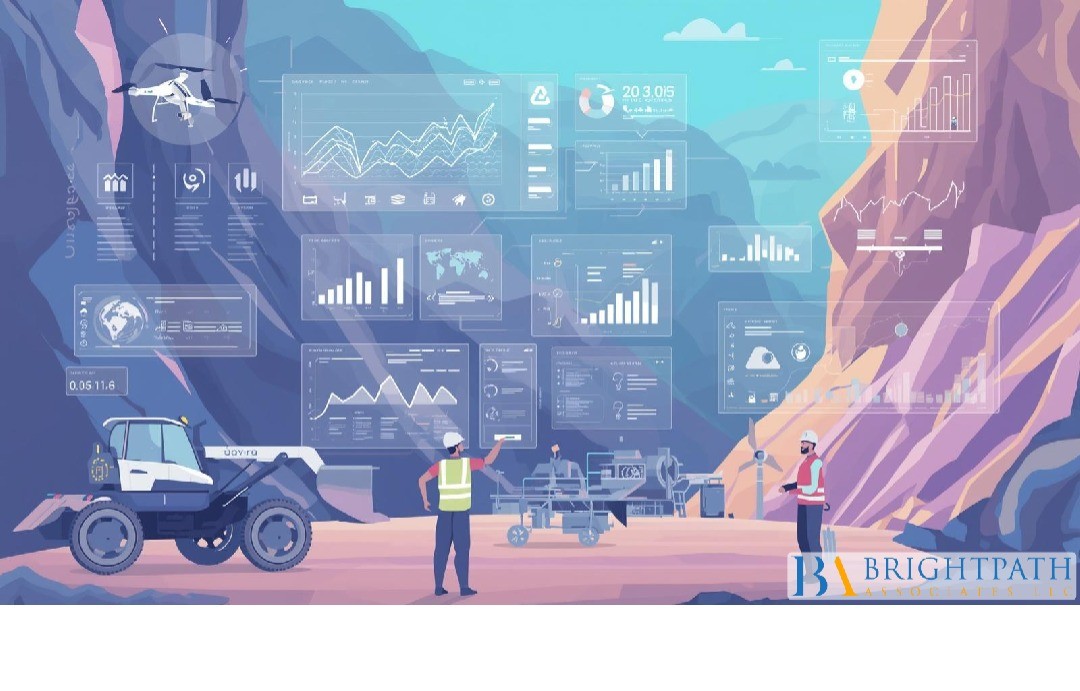
Mining technology has moved well beyond operational efficiency and cost reduction. Autonomous haulage systems, predictive maintenance powered by machine learning, digital twins for metal processing plants, and sensor-driven ore extraction are now central to productivity gains. Industry estimates indicate that digital transformation initiatives can improve mine productivity by 15–20 percent while reducing unplanned downtime by up to 30 percent. At the same time, metallurgy advancements are enabling better recovery rates from lower-grade ores, reshaping project economics in mature mining regions. These changes are forcing leadership teams to rethink traditional operating models and talent structures, particularly in organizations that historically relied on experience-based decision-making rather than data-driven strategies.
Sustainable Mining and the Expansion of Executive Role Expectations
#SustainableMining has evolved from a compliance obligation into a core strategic priority. ESG performance, emissions reduction, water stewardship, and responsible sourcing now directly influence access to capital, insurance, and long-term project approvals. Executives are increasingly expected to balance mining policy compliance with innovation, stakeholder engagement, and profitability. According to industry workforce studies, over 60 percent of mining CEOs report that sustainability and decarbonization targets have fundamentally altered executive role requirements. This shift has intensified demand for leaders who possess cross-functional expertise in metallurgy, mining technology, environmental governance, and commercial strategy—skills that remain scarce across the global talent market.
Leadership Talent Shortages Across Mining and Metals
The mining and metals sector is facing one of its most severe leadership shortages in decades. An aging executive workforce, coupled with accelerated retirements and limited succession pipelines, has created a widening experience gap. Industry data suggests that nearly 40 percent of senior mining executives are expected to retire within the next five to seven years. Simultaneously, fewer professionals are entering the sector with the technical and strategic breadth required to lead modern mining operations. Small to mid-sized companies are particularly affected, as they compete with global majors for the same limited pool of digitally fluent, sustainability-oriented leaders.
Changing Skill Sets in Executive Hiring
#ExecutiveHiring in mining is no longer centered solely on operational tenure. Boards and founders are increasingly prioritizing leaders with demonstrated experience in mining innovation strategies, advanced metal processing, and technology-enabled cost optimization. Familiarity with automation, data analytics, and integrated supply chains has become as critical as traditional mine management expertise. Additionally, executives must navigate evolving mining policy frameworks while maintaining strong relationships with regulators, investors, and local communities. This expanded skill set has significantly narrowed the candidate pool, making traditional recruitment methods ineffective in addressing leadership gaps.
Technology-Driven Transformation of Recruitment Practices
From 2023 to 2025, recruitment practices within the mining and metals industry have undergone strategic evolution. Companies are moving away from transactional hiring toward long-term leadership acquisition aligned with future operating models. Executive search recruitment has emerged as a preferred approach, particularly for roles requiring niche expertise in metallurgy, digital mining systems, and sustainable operations. Unlike conventional recruiting, executive search enables organizations to access passive candidates with proven transformation experience—leaders who are not actively seeking new roles but possess the capabilities needed to guide complex change initiatives.
The Strategic Risk of Leadership Misalignment
The cost of leadership misalignment in mining can be substantial. Failed technology implementations, delayed projects, safety incidents, and ESG setbacks often trace back to gaps in executive capability rather than technology itself. #IndustryAnalysis indicates that poorly aligned leadership appointments can delay digital mining initiatives by up to two years, eroding projected returns and investor confidence. For founders and C-suite executives, this risk underscores the importance of precision in executive hiring, particularly during periods of technological and regulatory disruption.
Executive Search Recruitment as a Competitive Advantage
#ExecutiveSearchRecruitment has become a critical enabler for mining and metals companies seeking to remain competitive in an increasingly complex environment. By leveraging deep industry networks and market intelligence, specialized mining and metals recruiters are able to identify leaders with the rare combination of technical expertise, strategic vision, and cultural alignment. Firms such as Brightpath Associates play a pivotal role in bridging the leadership gap by aligning executive talent with long-term business objectives, rather than short-term operational needs. This approach allows organizations to build resilient leadership teams capable of driving innovation while managing risk.
Building Future-Ready Leadership Teams
Future-ready leadership in mining requires more than filling vacant roles. It demands a holistic understanding of how mining technology, sustainability, and market volatility intersect. Companies that invest in executive search recruitment are better positioned to secure leaders who can integrate digital transformation with operational excellence and ESG accountability. As metal processing technologies advance and ore extraction becomes increasingly data-driven, leadership teams must possess both the technical literacy and strategic foresight to adapt. This capability is particularly vital for small to mid-sized firms aiming to scale efficiently without compromising safety or sustainability.
Conclusion: Leadership as the Catalyst for Mining Innovation
Between 2023 and 2025, mining and #MetalsCompanies face a defining moment. Technology, sustainability, and shifting policy landscapes are reshaping the industry at an unprecedented pace, while leadership talent shortages threaten to slow progress. For C-suite executives and founders, addressing this challenge requires a strategic rethinking of executive hiring practices. Executive search recruitment offers a proven pathway to securing leaders who can navigate mining technology adoption, sustainable mining demands, and evolving market expectations. Organizations that prioritize leadership alignment today will be best positioned to drive innovation, efficiency, and long-term value in the next era of mining and metals.
Find your next leadership role in Metal and Mining Industry today!
Stay informed with the latest insights on Metal and Mining Industry!