
Introduction
The #GlobalUtilities and renewable energy sector is undergoing one of the most profound transformations in its history. Driven by decarbonization mandates, grid modernization initiatives, and rapid advances in digital infrastructure, smart grid technology has moved from a long-term aspiration to an operational necessity. According to international energy agencies, global investment in smart grid systems crossed USD 300 billion between 2023 and 2024, with consistent year-on-year growth projected through 2027. For small to mid-sized utility providers, the adoption of smart grids is no longer about innovation alone; it is about resilience, regulatory compliance, and competitive relevance.
However, while technology deployment has accelerated, leadership readiness has not always kept pace. The success of smart grid implementation depends not only on advanced infrastructure but also on executive capability—leaders who understand digital transformation in utilities, energy storage solutions, cybersecurity, and data-driven operations. This growing leadership gap has become one of the most pressing challenges facing the utility industry today.
Smart Grid Technology and the Expanding Scope of Executive Responsibility
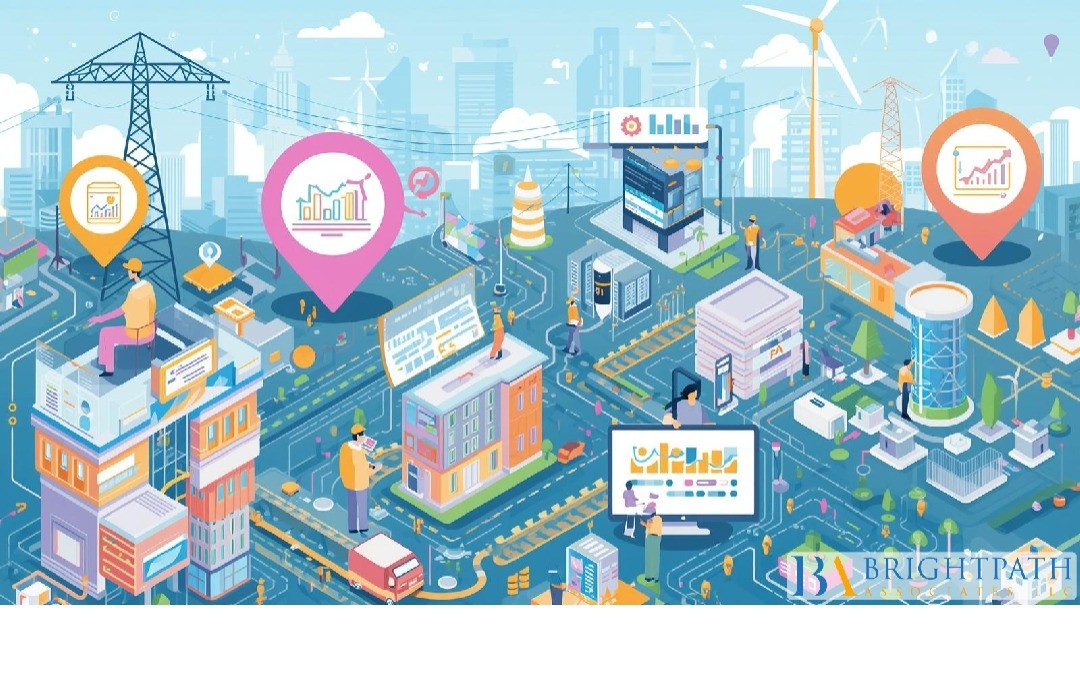
Smart grids integrate advanced metering infrastructure, real-time analytics, distributed energy resources, and automated control systems to improve reliability, efficiency, and sustainability. As utilities and renewable energy companies adopt these technologies, executive roles have expanded significantly in scope and complexity. Traditional operational leadership is no longer sufficient. Modern utility executives must balance power reliability, renewable integration, regulatory compliance, customer experience, and digital transformation simultaneously.
Between 2023 and 2025, executive roles in utilities increasingly demand cross-functional expertise. Chief executives and senior leaders are now expected to possess fluency in utility technology innovation, data governance, and digital risk management, alongside financial and operational acumen. This shift has intensified demand for leaders who can translate technology investments into measurable business outcomes—a capability that remains scarce across the talent market.
Leadership Talent Shortages and Their Impact on Utility Modernization
Leadership shortages have emerged as a structural risk within the utilities and renewable energy sector. Industry workforce studies indicate that nearly 30 percent of senior utility leaders in North America and parts of Europe are expected to retire by 2030, with replacement pipelines struggling to keep pace. For small to mid-sized companies, the challenge is even more acute, as they often compete with large investor-owned utilities and global energy firms for the same limited pool of leadership talent.
The consequences of this shortage are tangible. Delayed smart grid deployments, underutilized energy storage solutions, and fragmented digital transformation initiatives are frequently traced back to leadership gaps rather than technology constraints. Without executives capable of aligning utility consulting services, internal teams, and technology partners, smart grid investments risk falling short of their intended value.
Evolving Recruitment Practices in the Utility Industry
The #ExecutiveHiring landscape within utilities has evolved significantly from 2023 to 2025. Traditional recruitment models focused on industry tenure and operational experience are giving way to more strategic, capability-driven approaches. Companies now prioritize leadership agility, systems thinking, and experience in utilities and renewable energy integration.
This evolution reflects a broader understanding that smart grid adoption is not a single project but a continuous transformation. Executives must lead change across legacy infrastructure, workforce culture, and regulatory environments while maintaining uninterrupted power delivery. As a result, executive search recruitment has become increasingly specialized, emphasizing alignment between leadership capability and long-term strategic objectives.
Digital Transformation Utilities Require Strategic Leadership Alignment
Digital transformation in utilities is not limited to technology deployment; it reshapes organizational structures, decision-making processes, and risk frameworks. Advanced analytics, AI-driven forecasting, and grid automation demand leaders who can govern data responsibly while extracting actionable insights. Cybersecurity threats targeting critical infrastructure have further elevated the importance of digitally literate leadership at the executive level.
For renewable energy utilities, the integration of distributed generation sources such as solar, wind, and battery storage adds another layer of complexity. Executives must oversee grid stability while scaling renewable capacity, often under regulatory scrutiny and tight capital constraints. This convergence of technical, regulatory, and commercial challenges underscores the need for leadership that can operate confidently at the intersection of power systems and digital innovation.
Executive Search Recruitment as a Catalyst for Smart Grid Success
As leadership demands grow more complex, #ExecutiveSearchRecruitment has emerged as a strategic enabler rather than a transactional service. Effective executive search partners understand utility industry trends, suitable utility solutions, and the nuanced leadership requirements of smart grid environments. They help organizations identify leaders who can drive digital transformation, manage stakeholder expectations, and future-proof operations.
For small to mid-sized utilities, this approach is particularly valuable. Executive search recruitment enables access to a broader, often passive, talent pool that traditional hiring methods rarely reach. It also ensures rigorous assessment of leadership readiness, cultural alignment, and long-term strategic fit—critical factors in environments where leadership misalignment can delay transformation by years.
Addressing Role Evolution and Succession Planning
One of the most significant trends from 2023 to 2025 has been the redefinition of executive roles within utilities and renewable energy companies. Titles such as Chief Digital Officer, Head of Grid Innovation, or Vice President of Energy Transition are becoming more common, reflecting the strategic importance of technology-led growth. At the same time, existing roles such as CEO, COO, and CFO now require expanded competencies in digital strategy and sustainability.
Succession planning has therefore become inseparable from smart grid strategy. Organizations that proactively identify and place leaders with future-ready capabilities are better positioned to manage regulatory change, technology adoption, and market volatility. Executive search recruitment plays a central role in this process, supporting both immediate leadership needs and long-term organizational resilience.
The Strategic Advantage of Partnering with Brightpath Associates
In an environment defined by rapid technological change and leadership scarcity, utilities and #RenewableEnergy companies benefit from recruitment partners who understand both the industry and its strategic trajectory. Brightpath Associates specializes in executive search recruitment tailored to the evolving needs of utilities and renewable energy organizations. By aligning leadership selection with smart grid objectives, digital transformation goals, and business growth strategies, Brightpath Associates supports organizations in building leadership teams capable of navigating complexity with confidence.
Their approach reflects a deep understanding of utility industry trends, renewable energy integration, and executive role evolution, enabling clients to address leadership gaps before they become operational risks.
Conclusion: Leadership as the Foundation of Smart Grid Transformation
The adoption of smart grid technology represents a defining opportunity for utilities and renewable energy companies to enhance efficiency, sustainability, and resilience. Yet technology alone cannot deliver these outcomes. Leadership capability remains the decisive factor in overcoming implementation challenges and unlocking long-term value.
From 2023 to 2025, the utility sector has learned that strategic executive hiring is inseparable from successful digital transformation. Organizations that invest in executive search recruitment, aligned with smart grid and renewable energy objectives, position themselves to lead rather than react in an increasingly complex energy landscape. For decision-makers, the message is clear: the future of power depends as much on who leads as on what technology is deployed.
ind your next leadership role in Utilities Industry today!
Stay informed with the latest insights on Utilities Industry!