
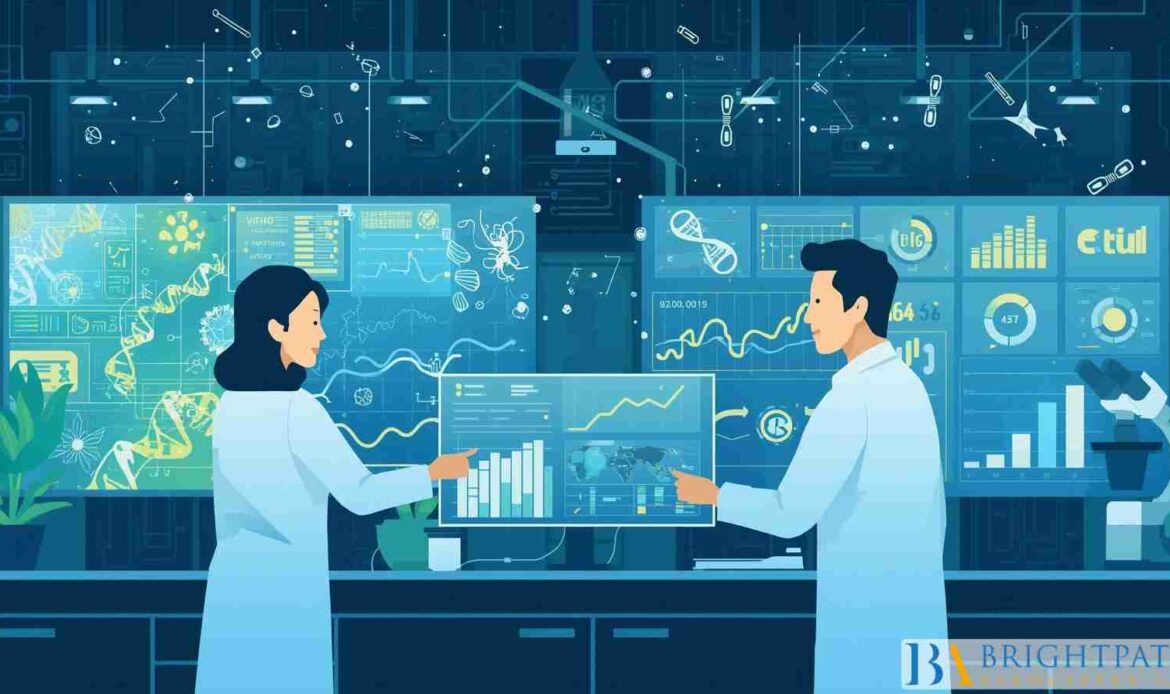
The convergence of machine learning with biotechnology is catalyzing a paradigm shift in how data is leveraged to improve scientific outcomes. Machine Learning and #PredictiveAnalytics now play pivotal roles in the biotech landscape, providing tools that are indispensable for analyzing complex biological data. This evolution is crucial in driving innovation and operational efficiency, underlining its significant footprint in modern biotech advancements. As the industry continues to grow, the interplay between artificial intelligence and biotech not only accelerates research timelines but also fosters more effective collaboration across various sectors of life sciences. Such transformations are paving the way for revolutionary breakthroughs that were previously deemed unattainable.
The Role of Machine Learning in Biotech Innovation
The integration of machine learning within biotech facilitates novel approaches to scientific inquiry and discovery. It allows for faster diagnostic processes and more tailored treatments, particularly in areas like Gene Therapy and Cell Therapy. By developing sophisticated algorithms capable of sifting through massive datasets to identify intricate patterns, machine learning is enabling a more intelligent, data-driven approach to pharmaceutical development and personalized medicine. The implications are profound, as these technologies harness the predictive power of data to minimize experimental errors and enhance the reliability of research findings.
In practical terms, machine learning algorithms enhance every stage of biotech development—from drug discovery through clinical trial management—allowing for the prediction of patient responses and potential side effects of drugs with greater accuracy and confidence. By meticulously analyzing patient demographics, genetic markers, and historical treatment outcomes, researchers can craft more effective therapeutic strategies tailored to individual needs. These advancements fuel the next wave of #BiotechInnovation by improving the accuracy and significantly reducing the timescales of research and development, thus offering strategic advantages to companies that embrace these technologies. This, in turn, encourages investment in biotech ventures as the industry becomes increasingly reliant on these innovative solutions, reinforcing a growth cycle that benefits all stakeholders involved.
Predictive Analytics: Transforming Biotech Leadership
Predictive analytics is a powerful tool reshaping strategic leadership in biotech firms. It empowers Biotech Leadership to anticipate market shifts, innovate product offerings, and streamline operational efficiencies. By leveraging robust data forecasting techniques, leaders are equipped to make informed decisions that ensure alignment with market demands and complex regulatory requirements. The ability to predict future trends and consumer behavior allows biotech companies to stay ahead of the competition, ultimately enhancing their market positioning and relevance.
Noteworthy examples from cutting-edge biotech companies illustrate the practical benefits of predictive analytics. For instance, firms utilizing predictive technologies have enhanced their R&D processes and strengthened their competitive stance by optimizing supply chains and launching geographically targeted marketing campaigns. This strategic enhancement not only showcases the tangible impact that data analytics can have on leadership but also exemplifies the operational agility that modern biotech firms must possess to thrive in a constantly shifting landscape. The foundational shift towards data-driven decision-making highlights a broader trend in corporate governance where analytics become integral to risk management and strategic foresight.
Navigating Biotech Regulatory with AI Solutions
Compliance with regulations is a fundamental challenge in biotechnology, given the intricacies of health regulations around the world. Here, artificial intelligence (AI) provides substantial support by offering real-time analysis that preemptively addresses potential regulatory issues. AI systems streamline compliance workflows by automating documentation and tracking compliance metrics, significantly reducing human error and ensuring adherence to complex regulatory landscapes.
Through AI-driven solutions, biotech companies can predict and mitigate compliance risks while maintaining operational flexibility. Enhanced compliance management not only streamlines processes but also allows biotech firms to respond promptly to regulatory changes, ensuring that they can adapt quickly to new laws and guidance. This tech-enabled regulatory support empowers companies to keep pace with evolving legal standards, fostering trust among stakeholders and ensuring sustained regulatory compliance—thus solidifying their market positions. Importantly, as trust is built through consistent compliance, companies are more likely to attract partnerships and investments, further embedding their operations within the broader scientific community.
Addressing Leadership Talent Shortages with Machine Learning
The biotech industry’s rapid growth has precipitated a unique challenge: a shortage of leadership talent equipped to guide companies through these evolutionary changes. Machine Learning assists in this realm by enhancing executive search recruitment processes. Predictive analytics improve hiring strategies, ensuring that companies can efficiently identify and recruit top-tier talent capable of leading in an ever-evolving market.
Biotech firms can benefit from implementing strategic recruitment practices that leverage data-driven insights, enabling them to facilitate the placement of leaders who are not only technically proficient but also visionary. This capability is particularly vital in a field where innovation is paramount, and where leaders are not just administrators but architects of transformative change. Guided by these enhanced hiring practices, companies can place individuals who embody the perfect blend of expertise and innovation required to navigate the modern biotech environment effectively. The right leadership not only steers organizations through current challenges but also inspires a culture that embraces continual learning and improvement, essential drivers of long-term success.
The Impact of Machine Learning on Biotech AI and Data Analytics
Machine learning’s influence extends deeply into Biotech AI and Data Analytics. These fields offer critical insights that guide product development and consumer engagement strategies, underscoring current trends such as personalized medicine and advanced analytics for patient data. Machine learning stands as a cornerstone for interpreting vast amounts of genetic and biological data, thereby facilitating breakthroughs in predictive diagnoses and tailored treatment plans.
This data-driven approach has resulted in landmark improvements in patient outcomes and has significantly enhanced the capabilities of biotech firms to anticipate and act on emerging health trends. By continuously harnessing the power of AI and machine learning, companies can refine their research focus based on real-time data, allowing them to pivot quickly as new information emerges. Consequently, this adaptability not only positions firms favorably within the marketplace but also contributes to a larger narrative of ongoing healthcare improvement across populations.
Innovations in Biotech Gene and Cell Therapy
Machine learning is at the forefront of innovations in Gene Therapy and Cell Therapy. These groundbreaking technologies enable the development of treatments personalized to the unique genetic makeup of individual patients, thereby improving therapeutic efficacy and minimizing undesirable side effects. Predictive analytics play a crucial role in these endeavors, offering vital insights that inform the design and strategic deployment of personalized medical interventions.
As the biotech industry seeks to advance personalized medicine, machine learning provides the necessary tools to analyze genetic and cellular data at unprecedented speeds, allowing for continuous enhancements in treatment methodologies. The production of customized therapies, such as CRISPR technology, illustrates not only the potential for improved health outcomes but also the ethical imperatives that must be balanced with innovation. As patient data becomes more integrated with treatment modalities, the commitment to ethical considerations becomes paramount, guiding not just the development but the implementation of such technologies.
Biotech Venture Capital and International Expansion Strategies
In the realm of Biotech Venture Capital and International Expansion, AI and analytics are emerging as influential guides for strategic decision-making. These technologies offer data-driven insights that inform investment strategies, helping identify promising innovations and markets ripe for expansion. The analytics capabilities embedded within these technologies allow firms to navigate complex investment landscapes, ensuring that resources are allocated wisely to maximize return on investment.
Crafting strategies for expansion requires an understanding of complex, multi-market dynamics, where AI offers valuable predictions and risk assessments regarding market conditions, competition, and potential barriers to entry. By employing these data insights, companies can engage confidently in international markets, supported by robust analytics that illuminate opportunities while mitigating risks. This strategic approach not only enhances the likelihood of successful ventures abroad but also contributes to the overall wealth of knowledge within the biotech sector, firmly establishing companies as global leaders.
Conclusion
Machine learning and predictive analytics represent the cutting edge of biotech innovation, offering tools that are imperative for fostering growth and maintaining a competitive edge in a rapidly evolving industry. As biotech firms look to the future, integrating these technologies within strategic frameworks will be paramount to their continued success. The call to action is clear: leverage these advancements not simply as tools to address current challenges, but as drivers of transformative change throughout the biotech landscape. Embracing machine learning and predictive analytics fully can lead to unprecedented advancements in personalized medicine, market readiness, and strategic global expansion, aligning the vision of biotechnology with the ever-changing needs of healthcare systems worldwide.
Find your next leadership role in biotech Industry today!