
Introduction to Agricultural Sustainability
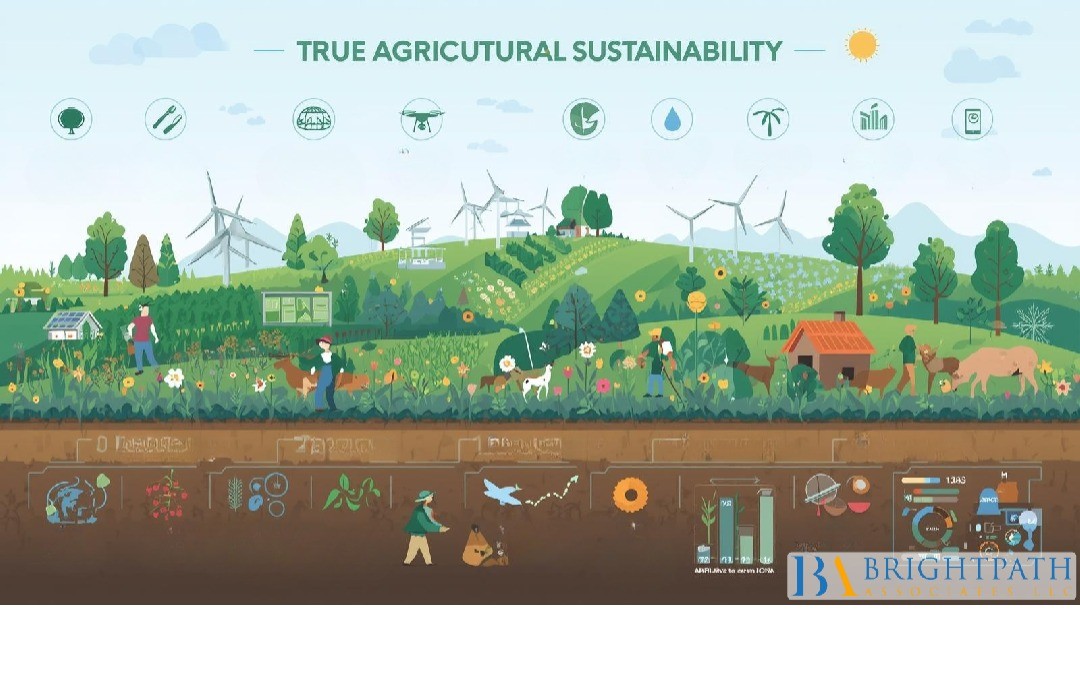
#SustainableFarmingPractices are no longer a mere alternative; they are imperative for the sustenance and prosperity of future generations. With the global population projected to exceed 9 billion by 2050, agricultural sustainability has become a pressing issue. The looming question is how the agrarian sector can meet increasing food demands without compromising the planet’s health. Agricultural sustainability ensures that farming efforts not only address the current needs but also protect resources for the future. This holistic approach incorporates economic profitability, environmental health, and social and economic equity into agricultural practices. As we delve deeper into the complexities of farming systems, it becomes clear that innovative solutions and responsible stewardship of resources are essential. Equally important is fostering a culture of education and awareness among both farmers and consumers to promote the virtues of sustainable agriculture.
Current Industry Trends and Market Analysis
In recent years, the food production market analysis has revealed monumental shifts. Emerging agricultural technologies are enhancing efficiency and productivity, transforming traditional farming practices. Agricultural technology, such as autonomous tractors and AI-driven tools, are being integrated into daily farming operations, revolutionizing how crop management and resource allocation is approached. The transition from analog to digital agriculture technology has made farm management more precise and data-driven, allowing for a level of monitoring and control previously thought unattainable. Digital farming signifies a shift from traditional techniques towards incorporating advanced technology in monitoring crop health, optimizing input use, and predicting market trends. This not only contributes to immediate yield improvements but also lays the groundwork for future advancements in sustainable practices. Furthermore, the popularity of farm-to-table movements is influencing market trends, encouraging farmers to adapt their operations to meet consumer demand for transparency and environmental responsibility.
The Rise of Precision Agriculture
Precision agriculture represents a new frontier in the quest for #AgriculturalSustainability. Utilizing high-tech tools such as drone data analysis enables farmers to adopt more effective farm management strategies than ever before. These technologies collect real-time data, providing insights into soil conditions, crop health, and weather patterns. Consequently, farmers can optimize water use, reduce fertilizers and pesticides, and increase yields without overburdening the environment. By using mapping technologies and soil sensors, farmers are now able to make decisions based on specific field conditions rather than a one-size-fits-all approach. Precision agriculture not only supports sustainable farming but also contributes to environmental conservation by minimizing resource wastage and reducing runoff that can lead to water pollution. Case studies from entities that have successfully implemented precision agriculture technologies showcase noticeable improvements in yield and resource management, with some farms reporting increases of up to 25% in productivity. This innovative approach also empowers farmers to take proactive steps to mitigate risks associated with climate change, positioning them better for the future.
Organic and Regenerative Farming Approaches
Organic farming has gained significant traction as a sustainable practice that emphasizes the use of natural inputs and processes. New, cutting-edge techniques continue to emerge, focusing on reducing chemical inputs and promoting natural processes. As society becomes more health-conscious, the demand for organic produce has spurred farmers to adopt practices that prioritize biodiversity and environmental health. Complementing this is regenerative agriculture, which emphasizes ecosystem restoration through soil health improvement, increased biodiversity, and better water cycles. This transformative approach actively seeks to enhance soil organic matter and promote microbial life, creating an ecosystem that is resilient and self-sustaining. Regenerative farming practices contribute to a sustainable food system and help combat climate change by sequestering carbon into the soil, which not only benefits the agricultural landscape but also plays a significant role in global carbon management. By rehabilitating ecosystems, these practices ensure long-term agricultural resilience and productivity, fostering a symbiotic relationship between agriculture and the environment. Consumers, too, are beginning to recognize the value of these practices, leading to a greater emphasis on purchasing sustainably produced goods that support local economies.
Agricultural Innovation and Digital Farming
The #DigitalTransformation in farm management software marks a notable innovation leap that is reshaping the landscape of agriculture. Farm management software solutions have become essential for modern farming operations, aiding in everything from planning to execution and analytics. These platforms help streamline farm processes, manage inventory, monitor crop progress, and analyze performance data, thus facilitating informed decisions that can significantly enhance productivity. Furthermore, the increased accessibility of cloud-based solutions means that farmers can access their data from anywhere, enabling real-time decision-making that is crucial in the fast-paced agriculture sector. There’s a marked shift towards data-driven agricultural decision-making, whereby farmers rely on concrete data analytics to guide their actions, improving efficiency and yield outcomes while minimizing environmental impact. This information-rich environment also allows for more precise forecasting, thereby aligning production with market demand, reducing waste, and ensuring economic viability.
Challenges in Leadership Talent Acquisition
Despite technological advancements, the agricultural sector faces significant challenges in leadership talent acquisition. There is a growing scarcity of skilled leadership in agriculture, exacerbating the gap in effective farm management and innovation implementation. The role expectations for executives are also shifting; they must now be equipped to handle complex digital systems and innovations, requiring a blend of traditional agricultural knowledge and digital competence. The industry’s challenge is further compounded by the aging population of farmers and executives, creating a pressing need for succession planning and workforce development. The executive search recruitment industry is evolving strategically to meet these new demands, focusing on bridging the leadership gap with qualified candidates. As the complexity of the agricultural ecosystem increases, cultivating a new generation of leaders who can adapt to technological changes while molding sustainable practices will be vital for the future success of the sector.
Solutions through Executive Search Recruitment
With the agricultural sector’s evolving dynamics, there’s a pronounced need for cross-industry talent. Effective leaders who can seamlessly integrate #AgriculturalKnowledge with technological expertise are in high demand, as they are crucial in guiding the sector through its current transformative phase. Identifying such leaders with robust expertise in agricultural innovation is critical for the sector’s progression and sustainability practices. #ExecutiveSearchRecruitment plays a pivotal role in addressing these leadership gaps by sourcing and placing capable leaders who can drive sustainability and growth in the agricultural domain. To meet these demands, recruitment firms are focusing on not only the technical capabilities of candidates but also their leadership potential and cultural fit within the organization. Creating a strong network of progressive, forward-thinking leaders will be essential for fostering innovation and ensuring that the agricultural sector remains competitive in the global market.
Conclusion: Navigating the Future of Agriculture
Investing in leadership is crucial for realizing sustainable outcomes in agriculture. Aligning agricultural sustainability goals with technological innovation paves the way for a resilient and productive future. As agricultural practices continue to evolve, ensuring long-term profitability and success involves preparing today’s leadership for the challenges of tomorrow. By navigating these complexities, the agricultural sector can achieve not just environmental sustainability but also economic viability and social equity. The collaborative efforts of farmers, innovators, and policy-makers can lead to a redefined agricultural landscape that not only meets the food demands of a growing population but also ensures that the health of our ecosystems is preserved for generations to come. This shared vision will require commitment, adaptation, and a willingness to embrace new strategies in pursuit of a more sustainable agricultural industry.
Find your next leadership role in Farming Industry today!