
Introduction
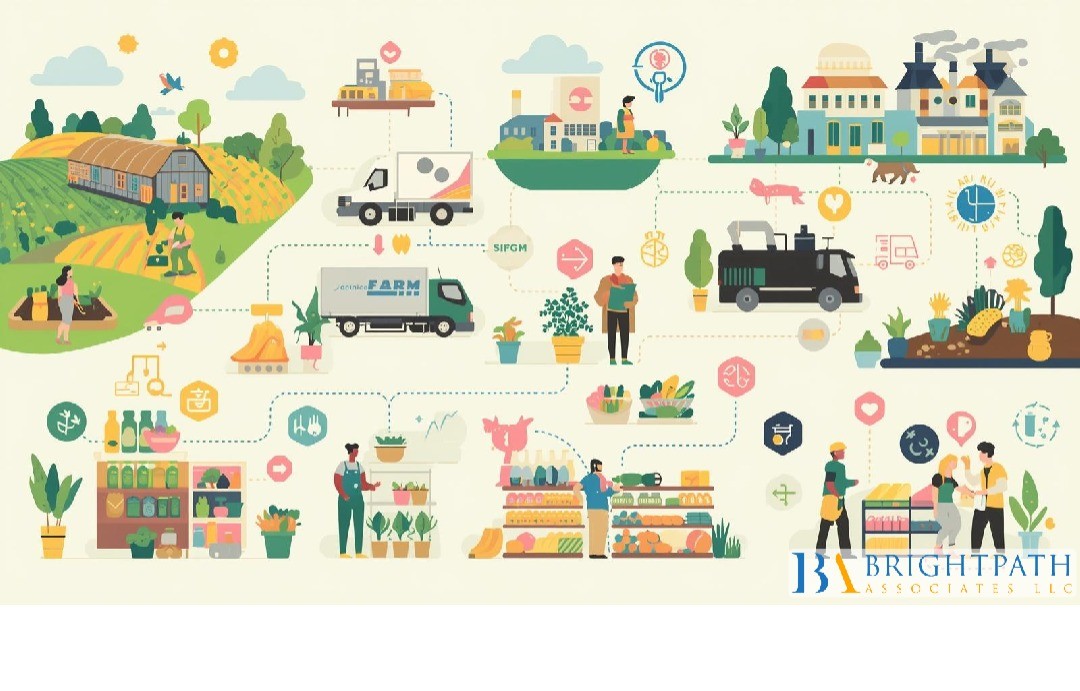
The “Farm to Fork” concept represents a holistic approach to #FoodProduction that emphasizes freshness, sustainability, and the efficient flow of food products from the point of origin to the consumer. This model is more than just a trend; it is a necessity in today’s fast-paced society. As consumers become more conscious of where their food comes from and the impact of their purchasing decisions on the environment, the food industry has seen a significant shift towards this integrated approach. Today’s food industry heavily relies on this model to ensure transparency, reduced carbon footprints, and enhanced food quality. This transparency fosters trust between consumers and producers, which is crucial in building a sustainable food system.
Amidst this conceptual framework, food production has demonstrated notable trends and growth strategies. In recent years, the industry has witnessed significant advancements in food production management, leading to improved efficiency and safety standards. Notable improvements in areas such as food production safety certification and streamlined food production supply chains have played a critical role in this evolution. These advancements not only help ensure food safety but also address the challenges of feeding a growing global population. By focusing on innovative practices, the industry is adapting to meet increasing demands while also prioritizing quality and environmental stewardship.
The Farm Phase
Agricultural Techniques
The farm phase sets the foundation for the entire food production process. Driven by innovations and technology, modern agricultural techniques have transformed how crops are grown and harvested. Techniques such as hydroponics, aquaponics, and vertical farming are becoming more prevalent, allowing for higher yields in smaller spaces and reducing the reliance on traditional land resources. Sustainable farming methods, including precision agriculture and organic farming, are increasingly adopted to enhance food quality and production efficiency. These practices not only improve crop yields but also mitigate the environmental impact of farming operations. By using data-driven approaches, farmers can optimize water usage, minimize pesticide application, and enhance soil health, ensuring that farming practices are environmentally sustainable.
Supply Chain Management
Effective #SupplyChainManagement is pivotal in connecting farmers to processors and ultimately to consumers. The complexity of the food supply chain necessitates clear communication and coordination among all stakeholders involved. Strategic food production supply chain practices ensure that products retain their quality throughout the journey, from the field to the table. However, the industry faces challenges such as logistical inefficiencies and fluctuating market demands. Tackling these challenges requires a cohesive food production business strategy that prioritizes both resilience and adaptability. Implementing technologies like real-time tracking systems can enhance visibility in the supply chain, enabling companies to respond swiftly to changing conditions and consumer preferences, thus maintaining the integrity of the food products delivered.
Processing and Production
Food Production Processing Equipment
Advancements in food processing technologies have revolutionized how food is transformed, packaged, and preserved for consumption. Cutting-edge food production processing equipment enhances processing efficiency, allowing producers to meet the growing demand for food without compromising quality. Technologies such as high-pressure processing, which extends shelf life while maintaining nutritional content, are gaining traction. Food production consultants play a vital role in this space, offering expertise to optimize these processing systems and ensure compliance with industry standards. They help businesses implement best practices, engage in process improvement, and navigate the rigorous regulatory landscape, which is essential in maintaining food safety and quality.
Food Production Safety Certification
Obtaining Safety Quality Food (SQF) certification is crucial for production plants aiming to ensure food safety and quality. This certification process not only enhances market access but also fosters a culture of food safety and boosts consumer confidence. By adhering to stringent safety protocols, producers can maintain a competitive edge in the global market while ensuring product quality. Moreover, achieving certification can serve as an effective marketing tool, signaling to consumers that a business prioritizes safety and quality in its operations. The benefits of certification extend beyond compliance; they can also lead to operational improvements and efficiencies that enhance overall production quality.
The Role of Technology and Innovation
Technology in Food Production
Technology continues to redefine food production by enhancing both transparency and efficiency. Innovations such as blockchain technology facilitate traceability, offering unprecedented insights into the food production process. This traceability not only helps in ensuring food safety but also in building trust with consumers who are increasingly concerned about food authenticity and sourcing. Future technological trends, including #ArtificialIntelligence and automation, are poised to further elevate the industry’s operational capabilities, potentially reducing labor costs and increasing precision in food production processes. These advancements hold the promise of not only streamlining operations but also creating a more responsive food supply chain that can adapt to consumer needs rapidly.
Industrial Trends
Key industrial trends in food production underscore the critical need for strategic leadership. The industry faces a talent shortage, necessitating executive search recruitment to fill leadership gaps and foster innovation. As the market evolves, businesses must be equipped with leaders who understand current trends and can drive change within their organizations. Tailoring recruitment practices to meet future demands is essential, and companies like BrightPath Associates excel in providing tailored executive search solutions to navigate these challenges effectively. A focus on developing leadership capabilities in areas such as sustainability, technology integration, and consumer engagement will be vital for future success.
The Distribution and Consumer Experience
From Processing to Retail
Efficient distribution strategies are essential to minimize transportation distances and reduce carbon footprints. By optimizing logistics, companies can ensure that food products reach consumers while retaining their inherent quality. This efficiency is increasingly important as the demand for quick delivery of fresh products rises. Investing in sustainable transportation and distribution practices integrates #EvironmentalConsiderations into the food supply chain, reinforcing the farm-to-fork philosophy. Reducing reliance on fossil fuels, adopting electric vehicles, and enhancing route planning can lead to a more sustainable practice that benefits producers, retailers, and consumers alike.
Consumer Engagement
Engaging consumers with the farm-to-fork movement cultivates a deeper appreciation for fresh and seasonal products. Informational campaigns, farmer’s markets, and farm-to-table events can help educate consumers about the benefits of supporting local agriculture. Encouraging consumer participation in this movement promotes trust and transparency, which are crucial elements of a successful food production business strategy. Strategies to promote local produce and foster consumer engagement are integral to maintaining a robust connection between producers and consumers, reinforcing the notion that food choices can have a significant impact on local economies and the environment.
Conclusion
Overall, the farm-to-fork production model embodies a comprehensive approach that defines modern food production. Adopting this model necessitates commitment and collaboration across the entire food chain, from farmers through to retailers and consumers. Implementing effective food production growth strategies is essential for ensuring the industry’s sustainability and efficiency in an ever-changing market landscape. Leveraging expertise in #ExecutiveSearchRecruitment allows businesses to address leadership gaps and adapt seamlessly to emerging trends. Meanwhile, embracing innovative technologies is crucial for positioning the food production industry for continued success and sustainability, ensuring that future generations can enjoy safe, nutritious, and responsibly sourced food.
Find your next leadership role in Food Production Industry today!
Stay informed with the latest insights on Food Production Industry!