
Introduction
The #TransportationIndustry is a cornerstone of global commerce, encompassing a wide range of services from trucking to railroad freight. It plays an imperative role in the movement of goods, contributing significantly to freight logistics services by ensuring efficient communication across vast geographies. Within this complex network, railroad freight services have emerged as a pivotal player, handling substantial volumes of goods efficiently and effectively, further solidifying their role in the intricate web of supply chain dynamics.
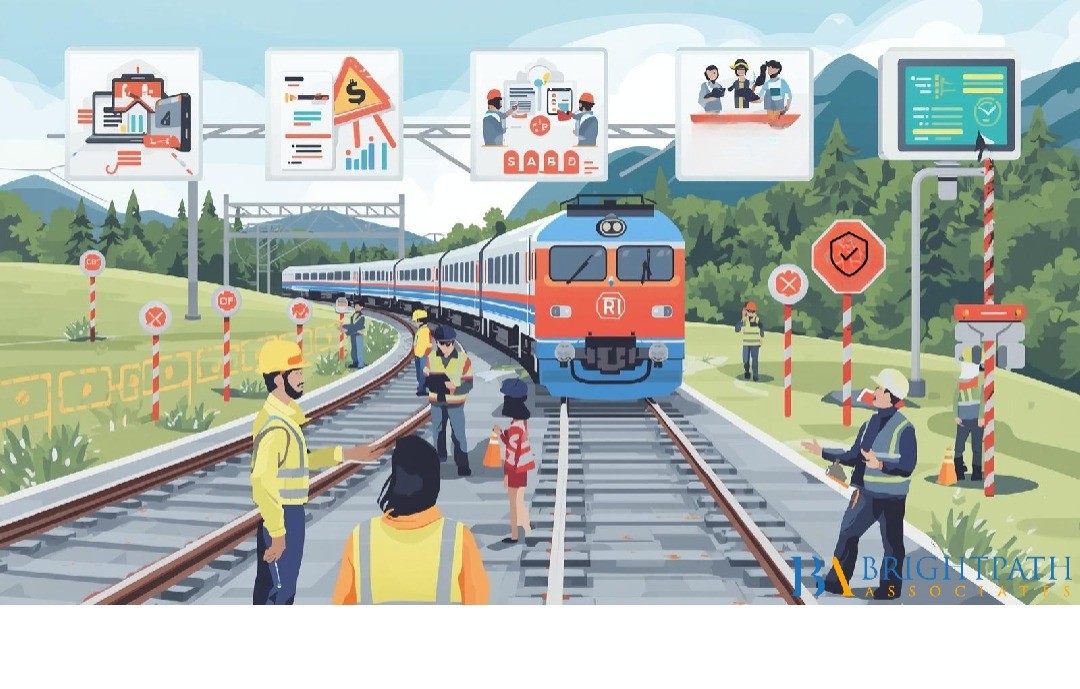
Railroad safety training forms the backbone of these operations, serving as a strategic focus in both transportation services and trucking industry consultations. It is not only about compliance but about cultivating a culture that prioritizes the safety of personnel and assets. As the industry evolves, the emphasis on safety becomes even more pronounced, ensuring that operations not only meet current demands but also align with future challenges, including those posed by increased automation and regulatory changes.
Understanding the Current Railroad Industry Trends
The railroad industry is undergoing transformative changes, primarily influenced by technological advancements and evolving safety protocols. Modern rail logistics solutions now incorporate cutting-edge technology, such as Internet of Things (IoT) sensors and advanced data analytics, to enhance operational efficiency and increase safety measures. These advancements impact transportation services on multiple levels, from the core mechanics of operations to the broader spectrum of freight logistics, ultimately enhancing the industry’s responsiveness and resilience.
Emerging trends in the railroad industry emphasize the integration of predictive maintenance technologies, automation, and enhanced communication systems. For instance, with predictive maintenance, companies can forecast when equipment is likely to fail, thereby reducing downtime and promoting safer operations. These elements contribute significantly to safer operations, minimizing risks and potential hazards, which in turn fosters a more robust framework for safety management. As a result, freight logistics services are becoming more streamlined, with safety ingrained as a critical parameter in transportation industry jobs, reinforcing the need for continuous education and training.
The Importance of Safety in the Railroad Sector
Safety protocols within trucking and #RailroadTransportation are not merely operational guidelines but are essential frameworks that ensure the integrity of freight operations. These protocols have been developed and refined to mitigate risks associated with railroad freight services, safeguarding personnel, cargo, and infrastructure. The foundation of effective safety practices stems from thorough training and the consistent application of learned principles to everyday operations.
Safety training plays a crucial role in this matrix, equipping supervisors and frontline workers with the knowledge and skills necessary to handle potential hazards effectively. It encompasses various aspects, including hazard recognition, emergency preparedness, and injury prevention strategies, enabling employees to act decisively in critical situations. By fostering a culture of safety, the transportation industry can ensure its operations are both efficient and secure, significantly reducing the likelihood of accidents and disruptions, which can have devastating effects not only on the company but also on the broader community.
Key Components of Essential Railroad Safety Training
Comprehensive railroad safety training encompasses several key components, including understanding regulatory requirements, emergency response strategies, and operational safety measures. These training modules must adapt to the evolving landscape of the industry, incorporating the latest best practices and innovations. This training is integral to aligning with the industry standards and regulations that govern railroad and trucking operations, ensuring compliance while enhancing overall safety culture.
The focus on robust safety training not only supports compliance but also enhances the resilience and adaptability of transportation services. By keeping abreast of industry developments and integrating new safety technologies, such as virtual reality training simulations, companies can ensure their safety protocols remain current and effective. This ongoing education helps personnel not only to understand what is required legally but also to embrace a safety-first mindset that permeates the organizational culture.
Leadership and Executive Recruitment in the Railroad Industry
The dynamics of leadership and executive recruitment within the railroad industry are evolving in response to changes in operational demands and industry expectations. Railroad and #TruckingIndustry consultation increasingly emphasizes the need for leaders who are adaptable, forward-thinking, and capable of navigating emerging challenges, including those related to environmental policies and technological disruptions.
Addressing talent shortages in transportation industry jobs involves reevaluating role expectations and recruitment strategies. The strategic focus is on identifying leaders who not only understand the complex nature of the industry but also possess the strategic vision to drive growth and innovation. This search for talent includes looking for candidates with diverse backgrounds and experiences, as diverse leadership can, in turn, foster more innovative thinking and problem-solving approaches.
Strategic Evolution in Recruitment Practices (2023-2025)
From 2023 to 2025, #RecruitmentPractices in the transportation sector are set to undergo strategic evolution, driven by the need to attract top talent capable of addressing current and future industry challenges. #ExecutiveSearchRecruitment processes are being refined to meet the leadership gaps present within the industry, especially in small to mid-sized companies.
These practices include utilizing data-driven hiring strategies, enhancing employer branding, and focusing on leadership development programs that also emphasize safety training and awareness. By aligning recruitment initiatives with industry needs, companies can secure the expertise required to maintain competitive advantage and operational excellence, ensuring a future-ready workforce equipped with essential skills and knowledge.
Industry Statistics and Trends Shaping the Future
Current statistics and trends underscore significant shifts in the trucking and railroad industries, with truck dispatch services and freight logistics services poised as vital components driving job growth and industry innovation. Data indicates not only a rising demand for transportation industry jobs but also shifts in skill requirements due to the integration of technology, fueled by expanding freight volumes and technological advancements.
Companies are leveraging these trends to optimize operations and improve service delivery, thus impacting recruitment strategies and highlighting the importance of strategic planning in addressing workforce needs. For instance, the move towards sustainability in transportation is prompting a demand for expertise in green technologies, further reshaping the future workforce landscape.
Conclusion
In conclusion, the essential points within this guide emphasize the critical role of #RailroadSafetyTraining and strategic recruitment solutions in navigating industry trends and challenges. For decision-makers in small to mid-sized transportation, trucking, and railroad companies, prioritizing these elements is crucial in enhancing operational safety and securing future-ready leadership.
By cultivating a workforce that is not only skilled in safety protocols but also adept at responding to industry dynamics, businesses can ensure their stability and growth in a competitive landscape. This proactive approach not only safeguards operations but also significantly contributes to long-term success and industry advancement, positioning companies to thrive amid challenges and seize new opportunities as they arise.
Find your next leadership role in Transportation, Trucking & Railroad Industry today!
Stay informed with the latest insights on Transportation, Trucking & Railroad Industry!