
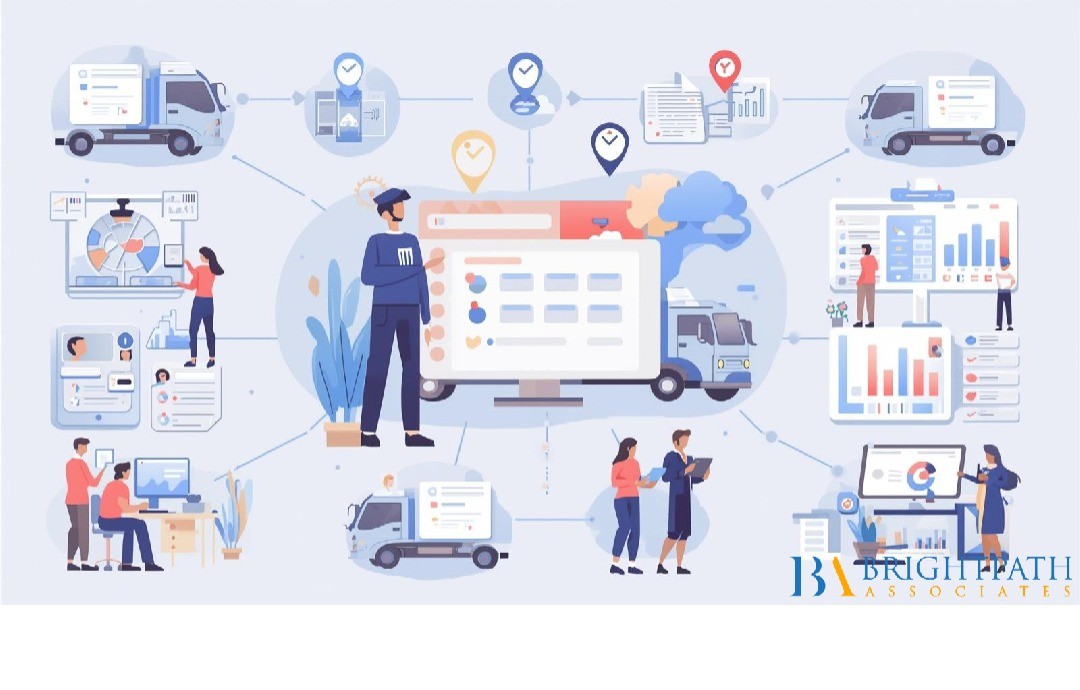
The Growing Complexity of Fleet Operations
The transportation, trucking, and #RailroadIndustries are evolving at an unprecedented pace. Companies offering freight logistics services face mounting pressures to optimize fleet performance, reduce operational costs, and meet increasing customer expectations. At the heart of these challenges lies the critical role of executive leadership. From 2023 to 2025, the responsibilities of senior executives in these industries have expanded, requiring not only operational oversight but also strategic vision, technological literacy, and a deep understanding of regulatory compliance.
This transformation has reshaped the expectations for leadership. Executives are now expected to integrate advanced fleet management systems, implement data-driven performance metrics, and ensure safety compliance while driving growth. These heightened expectations have highlighted a significant gap in available leadership talent, posing risks to both operational efficiency and long-term competitiveness.
Leadership Talent Shortages and Their Impacts
A recent 2024 industry survey revealed that approximately 62% of transportation companies struggled to fill senior management positions with qualified candidates. This shortage directly affects the quality of truck dispatch services, the efficiency of rail logistics solutions, and the overall effectiveness of transportation services. Small to mid-sized companies, in particular, face the challenge of competing with larger corporations for top talent, often without the resources to conduct extensive in-house recruitment campaigns.
The implications of leadership gaps are far-reaching. Without capable executives, companies may experience inefficiencies in fleet operations, lapses in safety compliance, and reduced profitability. Leaders are pivotal in cultivating a culture of safety, operational excellence, and innovation. A lack of experienced leadership can result in increased accident rates, delayed shipments, and lower employee retention, ultimately undermining a company’s reputation in the marketplace.
Strategic Evolution of Recruitment Practices
Recognizing the urgency of addressing leadership gaps, the transportation industry has witnessed a significant shift in recruitment strategies. Traditional hiring approaches, which primarily focused on experience and tenure, are giving way to more strategic, data-driven methods. Companies are increasingly relying on behavioral assessments, talent mapping, and targeted sourcing to identify executives capable of meeting modern operational and strategic demands.
#ExecutiveSearchRecruitment has emerged as an essential solution. By partnering with specialized recruitment firms, transportation companies can access a curated pool of senior-level talent equipped to enhance fleet performance and safety. Executive search firms bring not only a deep understanding of industry-specific skills but also market insights, competitive benchmarks, and strategic guidance. For small to mid-sized companies, this approach enables them to secure high-caliber leadership without overextending internal resources.
Technology Integration and Fleet Optimization
Modern fleet management relies heavily on technological innovation. From telematics and GPS tracking to predictive maintenance and AI-driven scheduling, transportation companies are leveraging technology to maximize efficiency and safety. Executives play a crucial role in implementing these solutions, overseeing integration, and ensuring alignment with corporate objectives.
In railroad freight services, AI-enabled scheduling tools optimize rail network operations, reducing delays and maximizing throughput. Trucking companies, meanwhile, employ real-time tracking systems to enhance route efficiency, monitor driver performance, and manage fuel consumption. Leadership talent capable of understanding and deploying these technological solutions directly influences operational success. Effective executives not only manage day-to-day logistics but also anticipate future trends, ensuring the organization remains competitive and resilient.
Safety and Regulatory Compliance
Safety remains a non-negotiable aspect of fleet management. Executives are responsible for enforcing strict safety protocols, overseeing employee training programs, and ensuring compliance with regulatory requirements. Companies with strong leadership experience fewer accidents, lower insurance premiums, and higher workforce satisfaction.
#RegulatoryCompliance is particularly critical in the trucking and railroad sectors, where non-compliance can result in substantial fines, operational delays, and reputational damage. Leaders who prioritize safety cultivate a culture of accountability and excellence, safeguarding both employees and assets. The presence of experienced executives capable of navigating complex regulatory environments ensures that companies not only meet compliance standards but also implement proactive measures to prevent incidents before they occur.
Talent Development and Succession Planning
Addressing immediate leadership shortages is only part of the solution. Long-term sustainability requires robust succession planning and talent development strategies. Companies must identify emerging leaders and provide training to equip them for higher-level responsibilities. A strong leadership pipeline ensures operational continuity and positions the organization for sustained growth.
Executive search recruitment firms contribute strategically to succession planning by identifying candidates with both current capabilities and future potential. They help companies build a pipeline of leadership talent, reducing the risk of disruption from unexpected vacancies. This proactive approach enables organizations to maintain a steady trajectory of growth, even in the face of industry volatility or competitive pressures.
Case Studies Illustrating Impact
Several mid-sized companies have successfully leveraged executive search recruitment to strengthen leadership capabilities. A regional trucking company in the Midwest, for example, struggled to find a Chief Operations Officer capable of managing both fleet optimization and technology implementation. By engaging an executive search firm, the company secured a candidate with a strong track record in operational efficiency and strategic innovation. Within a year, the firm reported a 15% reduction in fleet downtime and notable improvements in safety compliance.
Similarly, a Southeast-based railroad freight services company appointed a Chief Safety Officer through an executive search firm. The new leader’s expertise in regulatory compliance and employee training contributed to a 20% decrease in incident rates, enhancing both operational performance and reputation. These examples underscore the tangible benefits of strategic #ExecutiveRecruitment in addressing leadership gaps and optimizing fleet management outcomes.
Adapting to Emerging Trends
The transportation industry continues to evolve, influenced by automation, digital transformation, and sustainability initiatives. Executives are increasingly expected to drive these changes while maintaining operational stability. Freight logistics services must adapt to e-commerce growth, cross-border regulations, and fluctuating fuel costs, requiring agile leadership capable of strategic foresight.
Trucking recruitment and railroad industry trends indicate that companies prioritizing technology integration, workforce development, and leadership excellence are better positioned to navigate these complexities. Executive search recruitment serves as a crucial tool in this context, enabling organizations to identify and secure leaders with the skills necessary to guide operations, enhance safety, and drive long-term growth.
Conclusion
Effective fleet management in the transportation, trucking, and railroad industries depends on the caliber of leadership at the helm. From operational efficiency and safety compliance to technological integration and strategic growth, executives are central to organizational success. Leadership shortages, shifting role expectations, and competitive pressures underscore the importance of proactive talent acquisition strategies.
Executive search recruitment provides a strategic solution to these challenges, offering access to top-tier candidates and market insights that align with organizational goals. For small to mid-sized companies, investing in executive talent is not merely a tactical decision but a critical strategic imperative. Companies that prioritize leadership development and succession planning are better positioned to optimize fleet performance, enhance safety, and achieve #SustainableGrowth.
In an industry where efficiency, safety, and innovation define success, securing capable leadership is essential. By embracing executive search recruitment and aligning leadership strategy with operational goals, transportation, trucking, and railroad companies can navigate the evolving landscape and maintain a competitive edge in an increasingly complex market.
Find your next leadership role in Transportation, Trucking & Railroad Industry today!
Stay informed with the latest insights on Transportation, Trucking & Railroad Industry!