
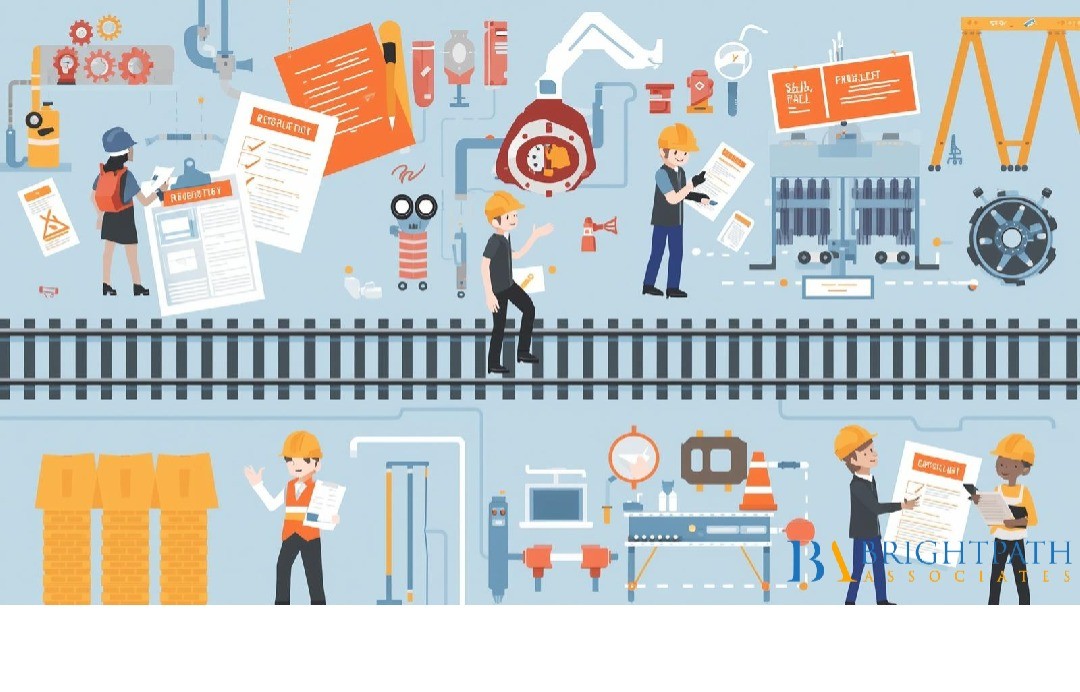
Understanding Safety Compliance in the Railroad Manufacturing Industry
In the dynamic world of #RailroadManufacturing, safety compliance is a critical concern for small manufacturers. Navigating the complex web of safety regulations is essential to ensure the smooth operation and enduring success of businesses within this sector. The regulatory landscape from 2023 to 2025 is evolving rapidly, with several key trends influencing safety requirements. These changes are driven by advancements in technology, heightened safety expectations, and shifts in industrial standards.
Compliance is not simply about following rules; it involves a proactive approach to anticipate and mitigate risks. Failure to adhere to safety regulations can lead to severe consequences, including legal liabilities, financial penalties, and reputational damage, which can be particularly devastating for smaller entities. Therefore, for small railroad manufacturers, understanding compliance means comprehending the broader implications of each regulation and how they interconnect to form a cohesive safety strategy.
Small railroad manufacturers must remain vigilant to keep pace with the developments in safety compliance. The adoption of new technology often introduces sophisticated regulatory requirements. These requirements necessitate comprehensive understanding and adherence to stay compliant. As manufacturers innovate, they also need to rethink how safety is integrated into product development, production processes, and even employee training programs to foster an environment of continuous improvement. Keeping abreast of regulatory updates, attending industry seminars, and collaborating with regulatory bodies can significantly aid manufacturers in ensuring compliance.
The Role of Leadership in Navigating Compliance Challenges
Strategic leadership within small to mid-sized railroad manufacturers is crucial in overcoming the challenges associated with safety compliance. These enterprises require leaders who can anticipate regulatory shifts and implement policies that align with both current and future safety standards, thereby laying a solid foundation for operational success. The role of leadership is not merely administrative; it involves fostering a safety-centric culture and integrating innovative practices into existing systems.
Leadership must prioritize open communication channels, empowering employees at all levels to engage in safety discussions and disclose potential hazards without fear of reprisal. This collaboration strengthens the organization’s culture of safety, enabling the quick identification and resolution of compliance issues as they arise. Moreover, effective leaders will champion training initiatives focused on safety protocols, enhancing employee understanding and commitment to compliance.
The current executive hiring dynamics highlight a significant shortage of leadership talent. Small railroad manufacturers are finding it increasingly challenging to locate and retain executives who possess the necessary strategic foresight and expertise. This shortage impacts their ability to effectively navigate compliance obstacles and achieve long-term growth. In this competitive environment, investing in leadership development programs can also play a crucial role in nurturing homegrown talent, equipping emerging leaders with the skills to meet both current challenges and future demands.
Industry Trends and Innovations in Rail Safety
The railroad manufacturing industry is experiencing a wave of innovations and #TechnologicalAdvancements that have significant implications for safety compliance. Recent rail industry innovations and technological breakthroughs are reshaping how manufacturers approach compliance, creating opportunities for enhanced safety measures and efficiency improvement.
Advanced manufacturing techniques, such as additive manufacturing and the use of digital twins, are enabling more precise and efficient production processes that conform to stringent safety standards. The implementation of these technologies not only streamlines manufacturing but also reduces waste and minimizes the potential for errors, thus lowering safety risks. Additionally, the incorporation of IoT (Internet of Things) devices facilitates real-time monitoring and data collection, providing manufacturers with critical insights that can enhance safety practices and compliance metrics.
Similarly, locomotive manufacturing innovations are driving improvements in safety through enhanced design and engineering methods. Technologies such as automated inspections and predictive maintenance systems help identify potential issues before they escalate into safety hazards. These advancements are critical for railroad equipment manufacturers aiming to elevate their compliance strategies and remain competitive in an increasingly regulated market.
Addressing Leadership Gaps and Role Expectations
To effectively address leadership gaps, companies need to adapt to shifting role expectations within executive recruitment. This adaptation is crucial for maintaining high safety standards that meet evolving compliance requirements. From 2023 to 2025, strategic evolution in recruitment practices is anticipated, with a focus on sourcing leaders who can bridge the gap between traditional safety protocols and modern compliance requirements.
By incorporating behavioral assessments and industry-specific experience into the hiring process, manufacturers can better identify candidates who not only meet technical qualifications but also embody the preferred leadership qualities. Beyond industry expertise, soft skills such as empathy, communication, and adaptability will prove essential in nurturing a compliance-focused corporate culture.
#RecruitmentStrategies should emphasize the growing importance of a leader’s ability to innovate and implement new compliance technologies. By prioritizing candidates who exhibit strong adaptability and forward-thinking capabilities, small railroad manufacturers can secure the leadership necessary to navigate evolving safety landscapes. Furthermore, engaging in mentorship programs can help junior staff ascend through the ranks, thereby ensuring that the organization retains a wealth of institutional knowledge while preparing future leaders to meet compliance challenges proactively.
Integrating Executive Search Recruitment as a Solution
#Executivesearchrecruitment is proving to be a vital solution in overcoming leadership challenges faced by the railroad manufacturing sector. Through targeted recruitment efforts, companies can identify and onboard executives possessing the requisite skills and vision to drive safety compliance initiatives. Fostering a direct connection with specialized recruitment firms can facilitate access to a broader talent pool and bring in candidates well-versed in current industry trends and challenges.
Case studies from various industry segments highlight successful integrations of leadership talent through executive search recruitment. These examples demonstrate how the right leadership can dramatically enhance a company’s compliance posture, ensuring that safety standards are met while also fostering innovation. For instance, some companies have successfully revitalized their safety strategies under new leadership by adopting an agile compliance framework that allows for quicker adaptability to regulatory changes while championing a culture of continuous improvement.
Conclusion: The Strategic Importance of Compliance for Growth
In summary, safety compliance is not just a regulatory requirement; it’s a strategic imperative for growth in the railroad manufacturing industry. By prioritizing compliance and addressing leadership gaps, small manufacturers can position themselves for sustained success amidst an ever-changing regulatory landscape.
Looking forward, the future of small railroad manufacturers hinges on their commitment to safety and compliance. By embracing strategic leadership and leveraging innovations, these companies can not only maintain compliance but also drive growth and achieve industry prominence. As stakeholders—ranging from employees to customers and regulatory agencies—place increasing emphasis on safety, manufacturers must recognize that compliance excellence is tantamount to business resilience and profitability.
By following this structured outline and integrating insights from credible sources, executives and founders in the railroad manufacturing industry can navigate safety compliance effectively while bridging leadership gaps, ensuring that safety is ingrained at every level of the organization. This commitment not only protects the workforce and assets but also establishes a firm foundation for innovation and competitive advantage in the marketplace.
Find your next leadership role in Railroad Industry today!
Stay informed with the latest insights on Railroad Industry!