
Introduction
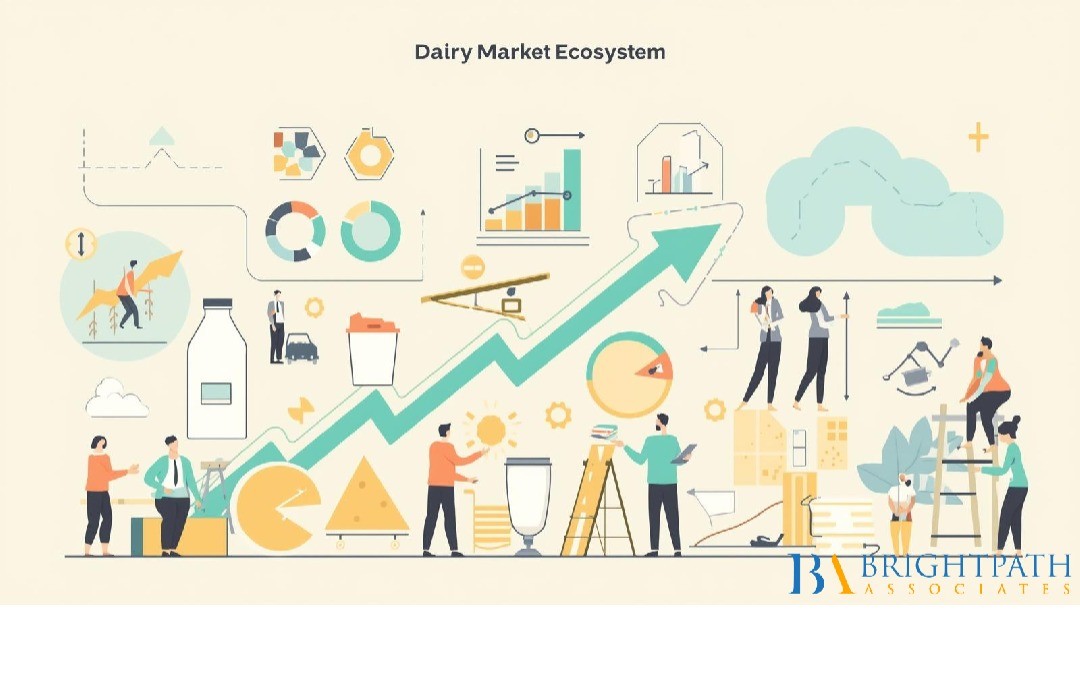
#DairyProducts have carved a significant niche in the global food industry, not only as staples of daily nutrition but also as key players in economic value. They are not merely consumed for their taste and nutritional benefits; they represent a multifaceted sector that encompasses a wide range of products including milk, cheese, yogurt, and butter, each with its own sub-markets and consumer demographics. Understanding the myriad forces shaping the dairy product landscape is vital for stakeholders tracking the volatile path of this market. Conducting a comprehensive market analysis enables businesses to navigate complexities within the dairy sector while also adapting to changing consumer preferences, dietary trends, and regulatory frameworks.
Current Market Landscape
Global Trends and Statistics
The world has witnessed a steady increase in global dairy production, fueled by rising consumption patterns that span continents and are driven by both increasing population numbers and changing diets. According to the latest industry reports, advancing milk production is bolstered by dairy automation technologies. These advancements have remarkably increased production efficiency, reduced labor costs, and expanded product range by incorporating technology in every step of the process—from milking to distribution. Additionally, international trade in dairy products has surged, with countries engaging in imports and exports to meet local demand. Notably, health concerns and the growing popularity of plant-based alternatives continue to pose challenges, necessitating agility and responsiveness from industry players.
Regional Insights
In terms of regional production, Europe, North America, and parts of Asia, particularly India and China, lead the dairy production. The patterns of production and consumption in these regions are as varied as their cultures and economies. Different #ConsumerBehaviors and dairy industry growth strategies in these regions illustrate contrasting engagements with dairy products. For instance, while Europeans focus on high-quality specialty dairy products, featuring artisanal cheeses and locally sourced milk, emerging Asian markets emphasize volume and accessibility, highlighting a need for affordability and convenience. This divergence not only illustrates regional tastes but also demonstrates the underlying economic conditions and agricultural practices that shape the dairy industry. Furthermore, countries like New Zealand are becoming increasingly essential as export leaders, capitalizing on their natural resources and innovation in dairy farming practices.
Technological Transformations
Dairy Automation Technologies
Technological innovations in food technology hold transformative potential for the dairy sector. Automation technologies streamline processes such as milking, feeding, and health monitoring of cattle, increasing both yield and quality. These innovations not only help farmers to increase output but also allow for better animal welfare, thereby addressing ethical considerations in dairy farming. Consequently, sustainable dairy farming practices have gained traction, promoting environmentally friendly and economically viable production methods. The integration of data analytics into farming operations further enhances efficiency, allowing farmers to make informed decisions based on real-time data about herd health and milk production metrics.
Digital Transformation
The #DigitalTransformation of the dairy industry has led to significant improvements in dairy supply chain management. Real-time tracking of products, automated ordering solutions, and predictive analytics for supply prediction have revolutionized how dairy products navigate the market. Enhanced transparency within the supply chain is fostering consumer trust and facilitating better forecasting and inventory management. In parallel, dairy e-commerce platforms are swiftly growing, providing consumers with easier access to a broader selection of dairy goods while enhancing digital consumer engagement. These platforms allow small dairy producers to reach wider audiences beyond their geographical limitations, thereby promoting local brands and niche products that cater to specific dietary needs or preferences.
Recruitment and Leadership in the Dairy Industry
Executive Hiring Challenges
The dairy industry is facing pivotal challenges in executive hiring, marked by a shortage of leadership talent and evolving role expectations. As companies strive to stay relevant amid rapid technological changes and fluctuating consumer demands, there is a growing need for leaders who understand both the agricultural traditions of dairy farming as well as the modern technological landscape. This scarcity is precipitated by the need for leaders adept at managing both traditional practices and cutting-edge technological advancements. #ExecutiveSearchRecruitment offers strategic solutions to this dilemma, sourcing and placing talent capable of steering companies through these competitive waters. Forward-thinking organizations are beginning to value diverse skill sets that include digital competency and sustainability expertise alongside traditional business acumen.
Strategic Evolution of Recruitment Practices
From 2023 to 2025, a strategic evolution in #RecruitmentPractices has emerged, characterized by targeted executive hiring. Changes in the labor market and the dairy sector are informing these new strategies, which now prioritize adaptability, cultural fit, and innovative mindset in addition to experience. Successful recruitment strategies offer insights into adapting hiring techniques to suit the unique needs of the dairy sector. Case studies highlight the crucial role that a tailored, data-driven recruitment approach can have in aligning executive capabilities with industry demands. The emphasis now increasingly includes training and upskilling existing staff to retain talent and foster a shared vision within organizations.
Future Outlook
Growth Potentials
The dairy market is rife with growth potentials, primed with opportunities for innovation. Predictions hint at a continued rise in demand for organic and specialty dairy products, driven by health-conscious consumers who prioritize quality and ethical sourcing in their dietary choices. The rise of plant-based alternatives is also influencing the market as producers look to diversify offerings to remain competitive. Strategies for future sustainability and competitive prowess revolve around embracing technological and digital transformations, alongside robust growth strategies, such as expanding into growing markets or integrating vertically within the supply chain.
Closing Thoughts
Navigating the complex dairy market necessitates data-backed decision-making. By employing comprehensive market analysis, dairy companies can adopt proactive #BusinessStrategies that assure resilience and profitability in a turbulent economic climate. Continuous learning and adaptation to market trends, consumer preferences, and regulatory changes will be necessary for maintaining a competitive edge. Investing in innovation and sustainability will not only enhance brand image but also contribute to long-term success within the industry.
Conclusion
Recapitulating the key insights from this analysis, it becomes clear that leveraging market analysis in the dairy industry paves the path to strategic advantage. Through informed decision-making, innovative growth strategies, and a commitment to sustainability, businesses can effectively harness dairy market dynamics to sustain success amidst ever-evolving market conditions. As the global landscape continues to shift, those involved in the dairy sector must remain vigilant and versatile, ready to seize the opportunities that lie ahead.
Find your next leadership role in Dairy Industry today!