
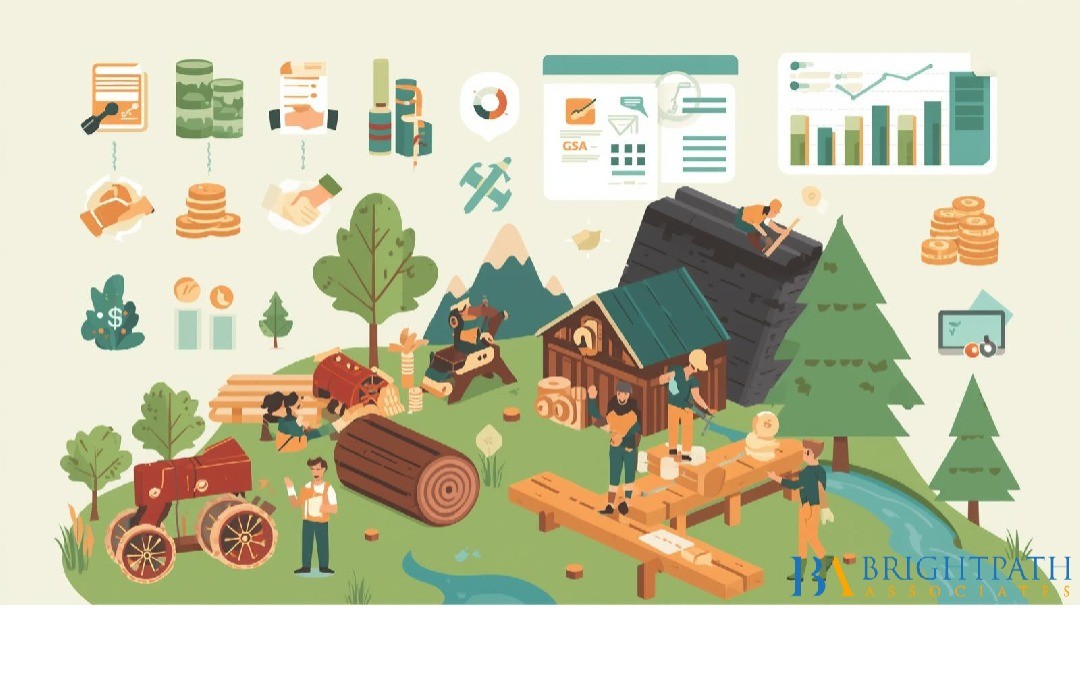
Introduction to Sawmill Financing
The need for financing in small-scale sawmill operations is an imperative topic, as it bridges the gap between limited resources and technological advancement in the #LumberIndustry. Equipment loans become particularly relevant here, gearing operations towards efficiency and sustainability. As smaller businesses often compete against larger corporations with extensive capital reserves, accessing financing solutions becomes not just a necessity but a strategic move to enhance their operational capabilities. With modern equipment becoming a cornerstone for success in timber harvesting and wood product manufacturing, understanding and securing proper financing solutions not only sustain operations but also drive innovation. For small-scale sawmills, navigating the complexities of securing loans can pave the way for significant growth and development.
Industry Trends in Sawmill Equipment Financing
In recent years, the lumber industry has observed transformative trends, emphasizing the need for efficient machinery and structured financial strategies to stay competitive in a rapidly changing market. The integration of paper and pulp technology, alongside innovative recycling solutions, is shaping new industry norms and operational standards. As small-scale sawmills aim to compete with larger players and scale efficiently, equipment loans provide the necessary capital leverage, ensuring that companies can invest in cutting-edge machinery without depleting their cash reserves. Furthermore, evolving environmental regulations and consumer preferences for sustainably sourced wood products compel sawmills to adopt newer technologies that enhance efficiency and reduce waste. This evolution not only leads to more profitable operations but also aligns with broader consumer trends toward environmental sustainability, thus solidifying the importance of financing in the current landscape.
Benefits of Equipment Loans in the Sawmill Sector
Equipment loans offer several #FinancialAdvantages that are crucial to maintaining a competitive edge in the sawmill sector. Not only do they preserve cash flow by spreading the costs over time, allowing businesses to allocate their resources more effectively across different operational needs, but they also provide tax benefits that can significantly impact a company’s bottom line. For example, interest payments on loans may be tax-deductible, which can reduce the overall tax burden on a business. Additionally, obtaining equipment loans grants access to modern, efficient technologies crucial for maintaining a competitive advantage in a market that increasingly demands higher productivity and lower operational costs. Integrating these technological advancements with sustainable material sourcing not only drives forest product innovation but also places the company at the forefront of the lumber industry’s trends. Companies that effectively leverage equipment loans can position themselves as leaders in sustainability and operational efficiency, creating a positive ripple effect throughout the industry.
Exploring Different Equipment Loan Options
Various financing options cater to the unique needs of small-scale sawmills, allowing them to select the most suitable loan structures based on their specific operational contexts and financial positions. From traditional equipment loans that offer straightforward terms and predictable repayment schedules to Small Business Administration (SBA) loans that provide favorable rates and extended terms for eligible businesses, the landscape of financing is quite diverse. Vendor financing presents another appealing option, wherein equipment suppliers partner with sawmills to offer financed purchases, ensuring that the sawmills can access the machinery needed without large upfront costs. Lease-to-own agreements also provide flexibility, allowing operations to remain funded without major upfront expenditures while ultimately leading to ownership of the equipment. Understanding timber harvesting guidelines and the economics surrounding the paper industry can further hone decision-making processes, empowering sawmills to select the optimal financing plan that aligns with their growth trajectories and operational goals.
Key Challenges in Equipment Loan Acquisition
Despite the promising benefits, small-scale operations often encounter significant challenges in acquiring equipment loans. #FinancialConstraints, largely due to limited credit history or lower collateral values, alongside stringent forestry regulations, create barriers that many small businesses struggle to navigate. A closer look at the small-to-medium sawmills in regions like the Copperbelt of Zambia reveals the real-world operational constraints these enterprises face, such as fluctuating market prices and inconsistent demand for lumber products. These challenges underscore the critical need for strategic financial planning and risk management. Small-scale businesses must also contend with accessing resources for technology upgrades and staff training, which are essential for operating advanced equipment successfully. As the landscape continues to evolve, addressing these barriers through targeted financial education and support can empower small sawmills to unlock their full potential.
Strategic Role of Executive Search Recruitment
Addressing these challenges requires an approach that goes beyond mere financial acumen; it demands effective leadership. The evolving #RecruitmentPractices from 2023 to 2025 highlight a pressing demand for adept leadership talent that can navigate the complexities of the lumber industry’s financial landscape. Executive search recruitment plays an increasingly vital role, as it helps fill leadership gaps and drives strategic initiatives that support sawmill financing and sustainability goals. By recruiting leaders with a blend of industry experience and innovative thinking, small-scale sawmills can more effectively align their operational strategies with the latest market demands. This alignment ensures that operations stay on the path of growth and innovation, fostering a culture that encourages continuous improvement and responsiveness to changing market conditions.
Conclusion: The Future of Sawmill Equipment Financing
Effective financial planning and solid leadership are pivotal for the future success of small-scale sawmills. As the lumber and paper industries strive for sustainable growth amidst increasing competition, addressing leadership gaps becomes essential. Executive search recruitment emerges as a crucial service, fortifying the executive bench strength and guiding companies through industry transitions. This proactive approach aligns with broader industry trends that highlight the necessity for innovation and adaptability, fostering an environment where small sawmills can thrive amidst challenges. By prioritizing robust financial strategies alongside proficient leadership, these operations can streamline their processes and enhance their adaptability to market changes.
Final Thoughts
In conclusion, the blend of modern machinery, #StrategicFinancialPlanning, and proficient executive management creates a robust framework for enhancing profitability in sawmill operations. The industry must adapt to changes, embracing new technology and financial opportunities to remain competitive. Addressing both machinery advancements and leadership needs through comprehensive strategic approaches ensures a resilient future for small-scale sawmills that lie at the heart of the paper industry. By acknowledging the interconnectedness of finance, technology, and leadership, the sector can position itself for sustainable success in the years to come. Such foresight will not only benefit individual businesses but also contribute to the overall health and regeneration of the lumber industry as a key player in the global marketplace.
Find your next leadership role in Paper & Forest Industry today!
Stay informed with the latest insights on Paper & Forest Industry!