
Introduction to Industry 4.0
Defining Industry 4.0 and its significance in the modern manufacturing landscape
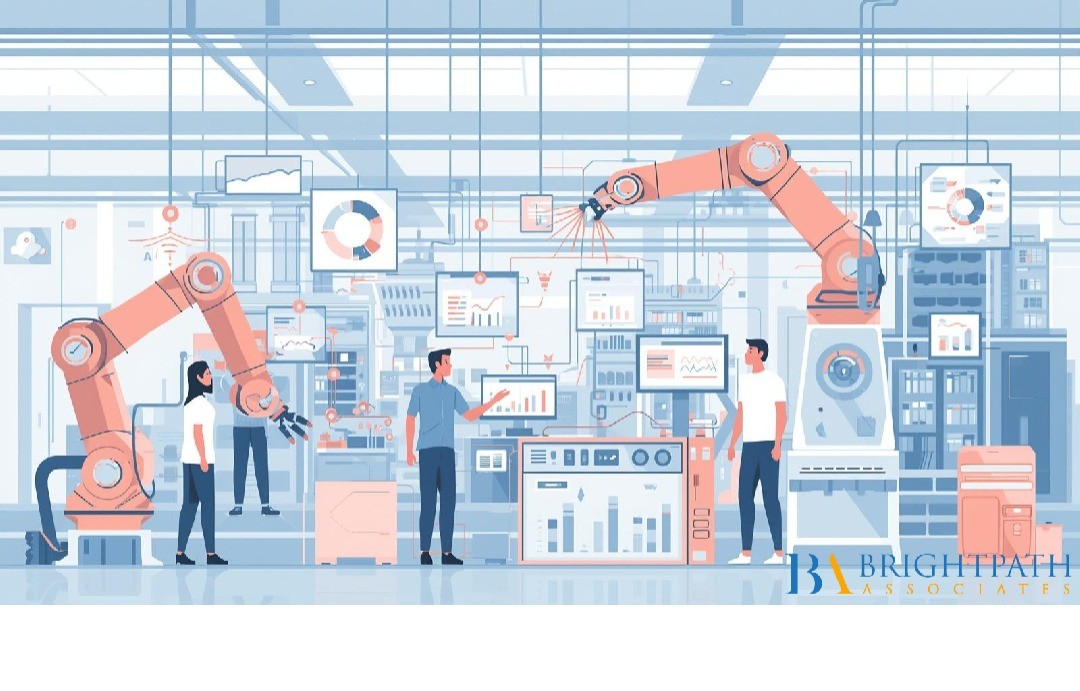
Industry 4.0 signifies a transformation that is reshaping the #ManufacturingIndustry through the integration of digital technologies. Known as the Fourth Industrial Revolution, it embodies a shift towards connected and smart manufacturing systems. Industry 4.0 merges the virtual and physical worlds, leading to increased automation, improved communication, and self-monitoring capabilities within factories. This new era is marked by profound changes that enhance productivity, foster innovation, and create more agile supply chains.
Key characteristics and components: Smart factories, IoT, Artificial Intelligence, and Robotics
At the heart of Industry 4.0 are smart factories, characterized by interconnected machines that leverage the Internet of Things (IoT), Artificial Intelligence (AI), and robotics. These technologies enable seamless communication and data exchange throughout the manufacturing process. IoT facilitates real-time monitoring and control, AI drives predictive analytics and decision-making, and robotics enhances precision and efficiency in manufacturing tasks. Together, they create an intelligent ecosystem that adapitates swiftly to changes in product demand and manufacturing conditions.
The Impact of Industry 4.0 on Mechanical Engineering Design Services
How Industry 4.0 is reshaping mechanical design services and the use of CAD/CAM software
As Industry 4.0 takes hold, #MechanicalEngineering design services are undergoing significant transformations. The integration of advanced CAD/CAM software into design processes allows for faster prototyping, improved accuracy, and enhanced design capabilities. These technologies enable engineers to simulate and optimize designs in a virtual environment, reducing time to market and minimizing costs. The need for continuous innovation pushes the boundaries of traditional mechanical design services, ensuring they remain competitive in an evolving landscape.
The role of mechanical engineering design services in Industry 4.0 advancements
Mechanical engineering design services play a pivotal role in driving Industry 4.0 advancements. They are not only adapting to new tools and technologies but also leading the development of innovative solutions that enhance manufacturing efficiency and sustainability. Mechanical engineers are crucial in designing smart products, integrating intelligent systems, and implementing sustainable manufacturing practices, allowing companies to harness the full potential of Industry 4.0.
Transforming Manufacturing Jobs and Roles
Shifts in mechanical engineering jobs due to automation and robotics
The rise of automation and robotics in the manufacturing sector has led to a significant shift in mechanical engineering jobs. Traditional roles are evolving, requiring engineers to possess new skills in digital technologies, data analysis, and system integration. Automation reduces the need for manual labor and mundane tasks, allowing engineers to focus on more strategic and innovative aspects of product development and process optimization.
The emergence of new roles in manufacturing engineering and robotics engineering
Industry 4.0 has given rise to a plethora of new roles within manufacturing engineering and #RoboticsEngineering. These include positions such as automation specialists, robotics engineers, data analysts, and IoT consultants. These roles demand expertise in integrating digital solutions with mechanical processes, enhancing efficiency, and driving innovation. As the demand for these specialized roles increases, the need for continuous upskilling and adaptation becomes imperative.
Digital Transformation in the Manufacturing Sector
Understanding the impact of digital transformation on mechanical product design
Digital transformation is fundamentally altering how mechanical products are designed, developed, and manufactured. It leverages technologies such as virtual reality, simulation software, and digital twins to enhance product design processes. Companies are now capable of creating highly customized and innovative products at an unprecedented pace, while also ensuring cost-effectiveness and sustainability throughout the product lifecycle.
Case studies: Successful digital transformations in automotive and industrial automation manufacturing
In the automotive and #IndustrialAutomationSectors, digital transformation has led to remarkable success stories. Companies have harnessed digital tools to streamline operations, optimize supply chains, and foster collaboration across global teams. For instance, automotive giants have implemented digital twins to refine vehicle designs, leading to shorter development cycles and reduced production costs. Similarly, industrial automation manufacturers have utilized AI-driven analytics for predictive maintenance, minimizing downtime and maximizing operational efficiency.
Challenges and Opportunities in Industry 4.0
Addressing skill gaps and the need for continuous learning and development
While Industry 4.0 presents numerous opportunities, it also introduces challenges, particularly in terms of skill gaps. The rapid evolution of technologies necessitates continuous learning and development for the workforce. Organizations must invest in training programs to upskill existing employees and prepare them for the changing demands of the industry. This proactive approach ensures a skilled workforce that can drive innovation and competitiveness.
Opportunities for engineering consulting and innovation in manufacturing systems
The changing landscape of manufacturing brings forth opportunities for #EngineeringConsultingFirms. These firms can offer valuable expertise in guiding companies through their digital transformation journeys. Engineering consultants can assist in designing innovative manufacturing systems, optimizing processes, and implementing cutting-edge technologies, ultimately enhancing efficiency and productivity.
Navigating Leadership and Recruitment in a Transforming Industry
Examining leadership talent shortages and evolving role expectations from 2023 to 2025
As the adoption of Industry 4.0 accelerates, there is a growing concern over leadership talent shortages. The rapid pace of technological change demands leaders who can navigate complex digital environments and drive strategic decisions. Companies must identify and nurture leaders who possess the vision and agility to lead their organizations through this period of transformation, the need for capable leaders becomes increasingly critical.
Strategies for executive search recruitment in the context of Industry 4.0
#ExecutiveSearchRecruitment emerges as a crucial solution to address leadership gaps and challenges. Companies must adopt innovative recruitment strategies to attract and retain top talent. By leveraging advanced algorithms and data-driven insights, executive search firms can identify candidates with the right skills and attributes to lead organizations in an Industry 4.0 landscape. Proactive recruitment ensures organizations are equipped with capable leaders to thrive in a competitive market.
Conclusion
The future outlook: Embracing Industry 4.0’s full potential in manufacturing
Embracing Industry 4.0 promises transformative benefits for the manufacturing sector. As companies continue their digital journeys, they will unlock new levels of efficiency, innovation, and competitiveness. By harnessing the full potential of Industry 4.0 technologies, manufacturing companies can redefine their processes, products, and operations, positioning themselves as leaders in a rapidly evolving industry.
Summarizing the transformative power of Industry 4.0 on mechanical engineering and manufacturing sectors
Industry 4.0 represents a seismic shift in the mechanical engineering and manufacturing sectors. It empowers companies to rethink traditional approaches, optimize operations, and drive sustainable growth. As organizations embrace this technology-driven era, they have the potential to revolutionize their industries and shape the future of manufacturing.
References and Further Reading
Suggested articles and reports for deeper insights into Industry 4.0 and its effects on manufacturing
For those seeking to delve deeper into the topic of Industry 4.0, it is beneficial to explore various articles and reports. These resources offer comprehensive insights into the technologies, strategies, and best practices driving the future of manufacturing. They provide a valuable foundation for understanding the challenges and opportunities of Industry 4.0, enabling companies to make informed decisions as they navigate this #TransformativeJourney.
Find your next leadership role in Mechanical Engineering Industry today!
Stay informed with the latest insights on Mechanical Engineering Industry!