
Introduction
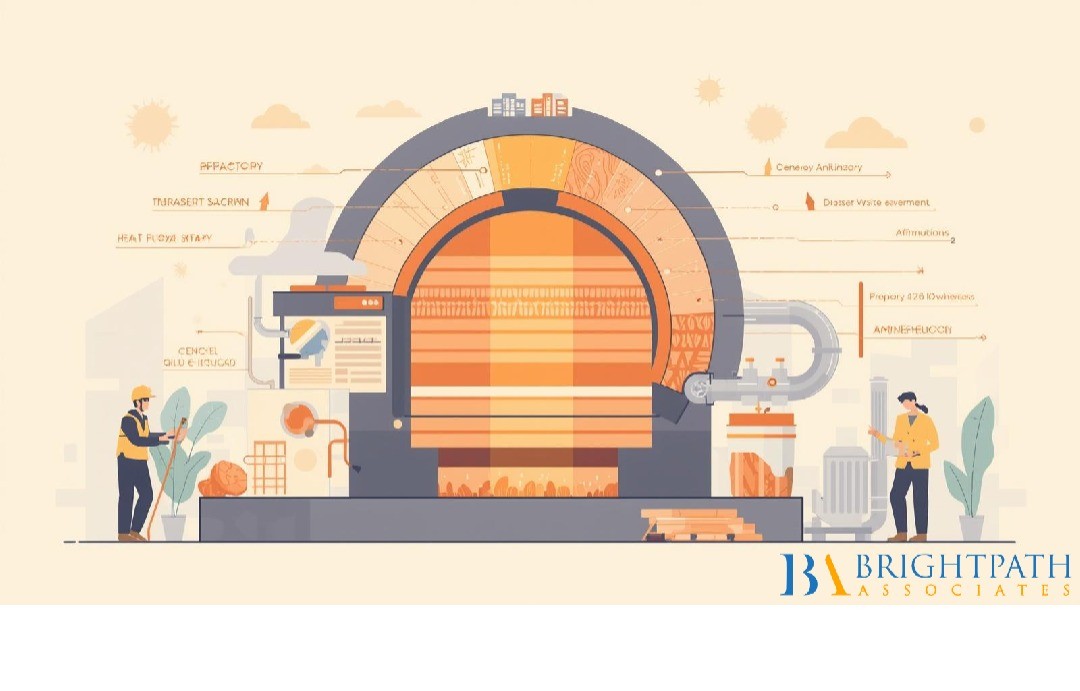
In the #FiercelyCompetitiveLandscape of the glass, ceramics, and concrete industries, maximizing kiln efficiency stands as a pivotal concern for manufacturers striving for both economic sustainability and operational excellence. Kilns act as the heartbeat of production processes, necessitating optimal functionality to ensure smooth operations and high-quality output. The management of refractory materials, which serve as critical components in kiln operations, plays a vital role in enhancing overall kiln efficiency. Refractory materials provide essential heat resistance, safeguarding kilns from the intense operational temperatures that characterize industrial manufacturing. Effective management of these materials not only improves production efficiency but also plays an integral part in the quality of the final products while simultaneously driving down costs, creating a multifaceted impact on the bottom line.
Understanding Refractory Materials
Refractory materials are specialized substances expertly designed to withstand extremely high temperatures, which is essential across various kiln operations in industries such as glass, ceramics, and concrete. Among these materials, firebrick, high-alumina bricks, silicon carbide, and zirconia stand out, with each offering unique properties tailored to meet specific industrial needs and applications. For instance, in the glass industry, refractories are crucial in maintaining kiln integrity under conditions of high thermal stress, where any failure could lead to significant downtimes and economic losses. Similarly, in ceramics and concrete production, refractories not only ensure effective thermal insulation but also enhance durability, thus supporting the production of high-quality end products capable of meeting or exceeding industry standards. Understanding the specific properties and appropriate applications of these refractory materials is foundational for optimizing their use and enhancing the performance of kilns.
Industry Trends in Refractory Material Management
Embracing the latest trends in #RefractoryMaterialManagement is absolutely essential for industries striving to stay ahead of the curve. In the concrete industry, for example, there is a noticeable shift towards sustainable and cost-efficient refractory solutions that align with broader environmental regulatory pressures and consumer demand for eco-friendly products. This trend not only reflects a growing consciousness about sustainability but also emphasizes the need for materials that can improve thermal performance while being mindful of cost reductions in the production cycle. In ceramics, recent advancements in manufacturing technologies have ushered in innovative refractory materials that significantly enhance kiln lifespan, reduce maintenance needs, and improve operational efficiency. Likewise, the glass market is witnessing a wave of innovations targeted at enhancing the sustainability of refractory materials, thereby improving energy efficiency and reducing harmful emissions. These advancements not only contribute to environmental stewardship but also help the industry align with modern sustainability goals, reflecting a broader commitment to responsible manufacturing practices.
Strategies for Optimizing Refractory Material Usage
Optimizing the usage of refractory materials begins with the meticulous selection of products tailored specifically to the unique requirements of each kiln. It is imperative for industries to invest in materials that are compatible not only with their product specifications but also with the varying environmental conditions in which they operate. Advanced technologies, such as artificial intelligence (AI) and machine learning, can significantly aid in predictive maintenance strategies, thereby optimizing refractory usage and extending the operational lifespan of kilns. By analyzing performance data and operational conditions in real time, these technologies can identify potential issues before they escalate into costly failures. Furthermore, the incorporation of sustainable building materials is pivotal in promoting refractory management practices that not only reduce environmental impact but also enhance overall performance. Such strategies can make a positive difference in operational efficiency and contribute to greener production practices, ultimately fostering a more sustainable industrial environment.
The Role of Executive Search Recruitment in Enhancing Efficiency
The rapidly evolving landscape of the glass, ceramics, and #ConcreteIndustries imposes new demands on leadership talent that is well-versed in the complexities these fields entail. Filling leadership gaps with capable candidates who understand both the technical and operational nuances of these industries is paramount for success. From 2023 to 2025, recruitment practices have strategically evolved to address the growing talent shortage by prioritizing skills that enhance production efficiency and foster innovation. #ExecutiveSearchRecruitment has emerged as a vital solution to this pervasive challenge, focusing on aligning leadership talent with industry-specific needs, particularly in relation to material management and operational efficiency. By harnessing the right leadership strategy in tandem with robust material management practices, organizations can ensure they remain competitive, innovative, and responsive to industry dynamics.
Conclusion
In conclusion, effective refractory material management is not only essential for maximizing kiln efficiency; it also provides significant gains in both production quality and cost management. In this context, evolving recruitment strategies play a crucial role in addressing the increasingly complex leadership talent challenges faced by the glass, ceramics, and concrete industries. By prioritizing a strategic blend of innovative material management alongside robust recruitment practices, industry leaders can achieve enhanced operational standards, ultimately paving the way for sustainable growth and a resilient market position. Moreover, as industries grapple with the challenges brought on by rapid changes in technology, customer preferences, and environmental regulations, leaders are called upon to innovate in their approaches to both recruitment and #MaterialManagement. Such forward-thinking strategies will not only help organizations navigate today’s challenges but also prepare them to seize future opportunities, ensuring they remain at the forefront of their respective industries.
Find your next leadership role in Glass, Ceramic, Concrete Industry today!
Stay informed with the latest insights on Glass, Ceramic, Concrete Industry!