
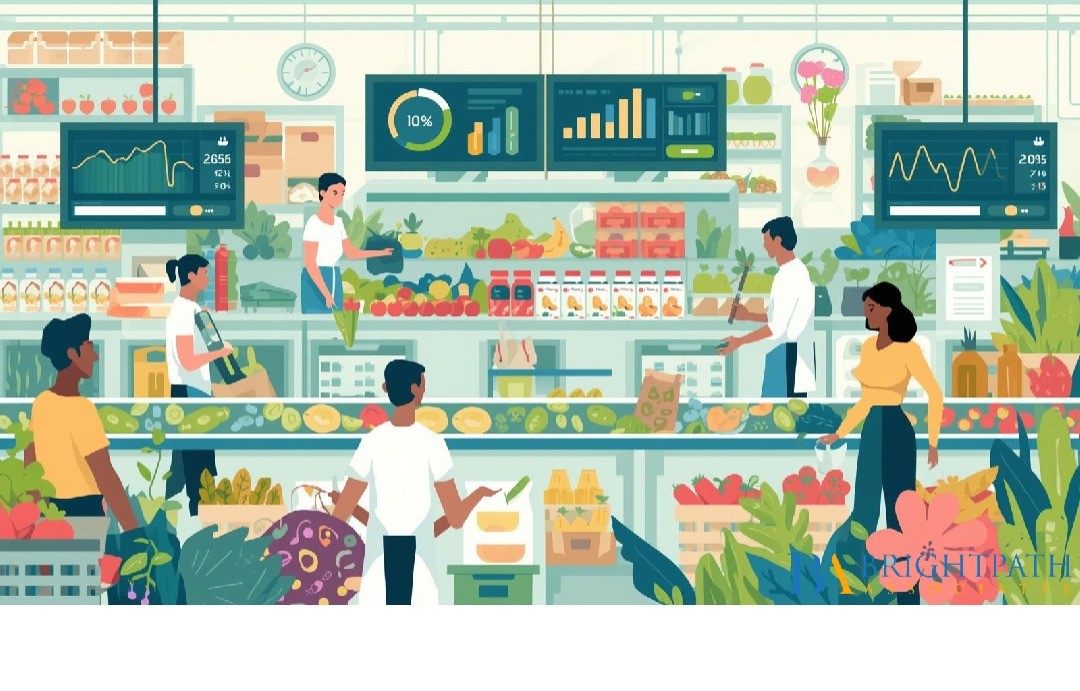
As the #FoodProduction landscape continues to evolve at a rapid pace, companies are faced with both challenges and opportunities that require strategic action to ensure their growth is both sustainable and profitable. This article delves into the comprehensive strategies for achieving sustainable growth within the food production industry, emphasizing the paramount importance of understanding current landscapes, adapting to emerging trends, and leveraging innovation and technology to stay ahead of the competition.
Understanding the Food Production Environment
Current Landscape of the Food Production Industry
The global food production industry is a complex matrix influenced by several multifaceted factors, including shifting consumer demand, intricate regulatory changes, and growing environmental concerns. With the rising global population, projected to reach nearly 10 billion by 2050, there is an increasing pressure on food production systems to not only increase output but also ensure that food safety and quality are maintained. In this context, companies are being pushed to respond proactively.
The industry is currently spearheaded by major players who are innovating at every step—from farm to fork. However, small to mid-sized companies are also finding their niche by focusing on specialized markets and sustainable practices that appeal to increasingly conscious consumers. Increasing consumer awareness about food sources and sustainability is driving profound changes in food production processes. The demand for organic produce, farm-to-table operations, and ethical sourcing practices is reshaping not just how food is produced, but also how it is marketed and sold.
Emerging Trends in Food Production
Emerging trends within the food production industry highlight a significant and notable shift towards sustainability and #TechnologyIntegration. Key trends include the adoption of precision agriculture, which uses data analytics to optimize field-level management regarding crop farming, sustainable packaging solutions designed to minimize environmental impact, and alternative proteins that cater to the growing vegetarian and vegan population. Additionally, there is a burgeoning trend of implementing circular economy concepts that focus on reducing waste and improving resource efficiency throughout the supply chain, ensuring that companies not only meet consumer needs but also contribute positively to the environment.
Strategic Framework for Sustainable Growth
Importance of Innovation in Food Production
Innovation is a pivotal component in driving sustainable growth in food production. Companies are focusing on developing new products and processes that align with market demands for health, sustainability, and efficiency. By embracing innovative strategies and a culture of creativity, businesses can differentiate themselves from competitors and capture emerging opportunities in the market, ensuring customer engagement and loyalty in an increasingly crowded space.
Furthermore, innovation in food production often requires collaboration across sectors, which can lead to the sharing of best practices and the development of novel solutions that might not be possible in isolation. Partnerships with technology firms, research institutions, and even competitors can yield transformative results and spur growth in ways that benefit not just individual companies, but the entire industry.
Role of Technology in Advancing Food Production
The role of technology in food production cannot be understated. From advanced processing equipment, such as #AutomatedSystems that enhance manufacturing capabilities, to the integration of IoT (Internet of Things)-powered devices that monitor conditions in real-time, technology is transforming how food is produced, processed, and distributed. The adoption of new technologies can help enhance productivity significantly, ensure compliance with stringent safety standards, and improve overall supply chain efficiency, offering businesses a competitive edge.
Additionally, with the increasing prevalence of data analytics, manufacturers now have the ability to predict trends, optimize inventory levels, and reduce waste, which is crucial in an industry often criticized for inefficiency. This technological revolution, combined with innovative supply chain strategies, positions companies much better prepared to adapt to market fluctuations and consumer demands.
Enhancing Efficiency in Food Business Operations
Food Production Supply Chain: Opportunities and Challenges
The food production supply chain is a critical component of operational efficiency. Companies must navigate a complex matrix of suppliers, distributors, and retailers. Opportunities lie in increasing transparency and building robust relationships throughout the supply chain network, which can lead to greater collaboration and shared objectives across the industry. However, challenges such as supply chain disruptions caused by natural disasters, geopolitical issues, or health crises, as seen in the COVID-19 pandemic, and the need for regulatory compliance can pose significant hurdles that firms must actively work to mitigate.
Effective communication within the supply chain can facilitate quicker responses to disruptions and foster a culture of collaboration among all parties involved, ultimately strengthening the entire system. Furthermore, adopting innovative technologies can also enhance these networks, allowing for improved tracking and management of resources.
Importance of Food Production Safety Certification
#SafetyCertification is imperative for food production companies aiming for sustainable growth. Certifications such as HACCP, ISO 22000, and others serve as benchmarks for safety, quality, and consistency in food production, ensuring that companies adhere to both local and international standards. These certifications not only enhance consumer trust—essential in an era of rising food safety awareness—but also open doors to international markets, allowing companies to expand their reach and grow their operations, which is invaluable for long-term sustainability.
Furthermore, achieving and maintaining such certifications requires a commitment to continuous improvement and ongoing training, ensuring that the workforce remains aware of best practices and is able to respond effectively to emerging food safety challenges.
Leadership in Food Businesses
Executive Recruitment for Food Production Companies
Effective leadership is essential for steering companies in the right direction amidst constant change and evolution. #ExecutiveSearchRecruitment plays a critical role in securing senior leaders who bring strategic vision, operational efficiency, and a deep understanding of the food production landscape. Companies should prioritize finding executives who align with their sustainability goals and who possess the ability to navigate the evolving challenges of the food production industry, providing guidance that fosters growth.
Moreover, leadership in today’s context also includes a focus on building diverse and inclusive teams, which have been shown to enhance creativity and problem-solving abilities within organizations. This inclusive approach creates an environment that can respond dynamically to market changes and consumer preferences.
Addressing Leadership Talent Shortages through Executive Search Recruitment
The shortage of leadership talent in the food production sector poses a significant challenge to strategic growth. Executive search services, such as those offered by BrightPath Associates, are vital in addressing this gap by providing access to top-tier leaders who can drive change and innovation within the organization. By tapping into expansive networks of seasoned professionals, these services help companies find individuals who not only meet the technical requirements but also resonate with the company culture, facilitating a smoother transition and integration.
The continued investment in talent acquisition and development is critical to ensuring that the food production sector can keep pace with the demands of the future and respond adeptly to shifting market dynamics.
Adapting to Industrial Trends
The Role of Food Production Consultants
#FoodProduction consultants provide invaluable insights and expertise in navigating industrial trends that can shift rapidly. By partnering with consultants, companies can enhance their business strategies, optimize operations, and implement innovative solutions that align with current market trends. These professionals draw on their wealth of experience and industry knowledge to offer tailored advice that can significantly improve performance.
Additionally, having an external viewpoint can help identify blind spots within a company’s operation or strategy, encouraging a more holistic approach to problem-solving and implementation of best practices across the board.
Food Production Management: Enhancing Operational Efficiency
Effective management of food production involves optimizing processes, managing resources efficiently, and ensuring rigorous quality control across all stages of production. Companies should focus on continuous improvement and leverage management practices that enhance operational efficiency while also embedding sustainability into their operational ethos. This may include adopting lean production techniques that minimize waste, as well as employing workforce management strategies that prioritize employee welfare and engagement, ultimately leading to enhanced productivity.
Furthermore, investing in employee training and development can equip teams with the necessary skills to adapt to new technologies and processes, ensuring that the workforce is well-prepared to meet the demands of an evolving industry and contributes positively to the company’s objectives.
Future Directions for Food Production Companies
Evolution of Recruitment Practices from 2023 to 2025
#RecruitmentPractices in the food production industry are evolving to meet the changing demands of the workforce and organizational needs. Between 2023 and 2025, companies are likely to continue focusing on diversity, inclusivity, and the integration of technology in recruitment processes to attract and retain top talent. As the battle for skilled workers intensifies, organizations will need to adopt innovative recruitment strategies, including enhanced employer branding and the incorporation of data analytics into the hiring process to better identify potential candidates.
Moreover, fostering a positive corporate culture that aligns with contemporary workforce values can improve retention rates and make businesses more appealing to new talent entering the field.
Integrating Advanced Processing Equipment
The integration of advanced processing equipment will be a focal point for future growth in food production. Such advancements will enable companies to increase capacity, reduce costs, and maintain high standards of quality control. Embracing automation and cutting-edge technology not only streamlines operations but also boosts overall production efficiency, allowing businesses to scale swiftly in response to market fluctuations.
Additionally, companies that prioritize the continual upgrade of their equipment and processes are better positioned to adapt to consumer demands, regulatory changes, and challenges arising from global supply chains.
Conclusion and Strategic Recommendations
Embracing Change for Sustainable Growth
For food production companies, embracing change is crucial for achieving sustainable growth in an incredibly dynamic environment. By adopting innovative practices, leveraging technological advancements, and ensuring strategic leadership that is aligned with both current and future market demands, businesses can thrive in an increasingly competitive landscape. Executive search recruitment remains a cornerstone in identifying visionary leaders to drive these changes and foster a culture of innovation throughout the organization. As the industry continues to evolve, companies that adapt and incorporate strategic solutions will set themselves on a path to resilience and success, ensuring that they not only survive but flourish in the years to come.
Find your next leadership role in Food Production Industry today!
Stay informed with the latest insights on Food Production Industry!