
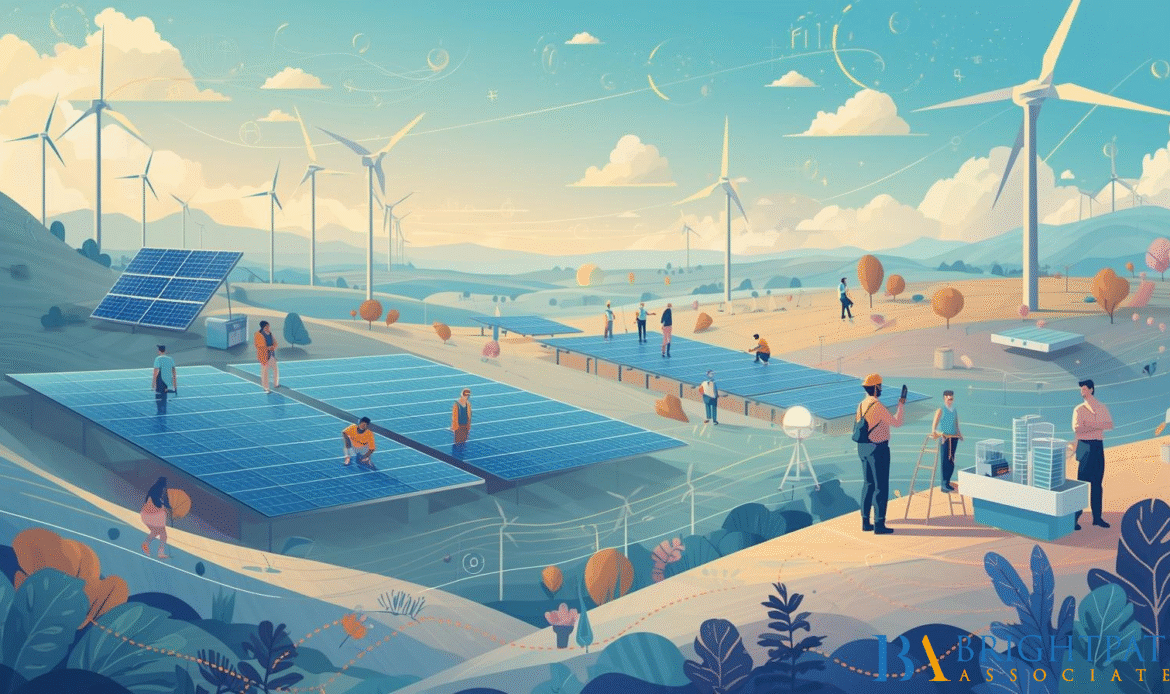
Introduction: A Sector on the Edge of Transformative Change
The global #RenewableEnergySector is entering a defining era shaped by rapid technological progress, intensifying climate commitments, and shifting economic landscapes. Small and mid-sized Renewable Energy and Environment companies are experiencing a surge in opportunity as nations push toward net-zero targets, yet this evolution brings complexity and heightened pressure on leadership. The future of renewables is not only molded by innovation in sustainable energy solutions but by the capabilities of leaders who can navigate the changing terrain of regulatory expectations, investment flows, and operational demands. From 2023 to 2025, the sector has seen remarkable expansion, and with it, a significant rise in the expectations and challenges associated with executive hiring.
Innovation and Technology Shaping the Renewable Energy Ecosystem
Innovation continues to accelerate across renewable energy technology, reshaping how organizations generate, store, and distribute clean power. Global investment in renewable energy exceeded USD 1.7 trillion in 2023, according to the International Energy Agency, with solar and wind energy at the forefront. The wind energy industry alone continues to scale rapidly through offshore development, floating turbines, and improvements in aerodynamic design. Simultaneously, advancements in green technology such as grid-integrated AI systems, smart inverters, next-generation battery storage, and digital renewable energy monitoring tools are redefining the future of power systems.
Environmental management systems now integrate automation and real-time analytics, allowing companies to monitor carbon output, assess environmental risks, and comply with evolving environmental regulations more effectively. This interconnection of technology and compliance increases operational transparency and enhances long-term sustainability. To capitalize on these innovations, organizations require leaders who can combine technical fluency with strategic insight, enabling them to interpret data, optimize project performance, and align investments with renewable energy economics.
Regulatory Shifts and Their Impact on Strategic Leadership
#RegulatoryEnvironments are becoming more stringent as governments intensify their climate commitments. New reporting frameworks, emission reduction mandates, and sustainability standards are expanding rapidly. For renewable energy companies, environmental regulations are no longer administrative hurdles; they have become decisive factors shaping business models, funding eligibility, and expansion strategies. Leaders must navigate these regulatory changes strategically, integrating compliance considerations into organizational planning and project execution.
Executives are now expected to understand the intricate relationships between policy, market incentives, and technological opportunity. Whether implementing environmental management systems or managing ESG reporting, companies depend on leadership that can forecast regulatory outcomes and build resilient frameworks. This shift has heightened the demand for executives with specialized experience in environmental compliance, sustainability strategy, and renewable energy innovation. As regulatory landscapes grow more complicated, the talent capable of managing them becomes increasingly scarce.
The Growing Leadership Gap in the Renewable Energy Workforce
The expansion of renewable energy jobs has created unprecedented opportunities, yet has simultaneously exposed a widening leadership gap. According to workforce studies conducted between 2023 and 2024, nearly 40% of renewable energy companies report challenges in securing executives with the technical, strategic, and cross-functional expertise required to operate in a rapidly evolving environment. This shortage is particularly evident in small to mid-sized organizations that lack the brand visibility and compensation scale of major global energy corporations.
The leadership gap affects project timelines, investment readiness, partner confidence, and overall innovation capacity. Executives must now manage complex operational ecosystems—integrating engineering teams, navigating supply chain constraints, adopting renewable energy technology, and overseeing digital transformation strategies. Few candidates possess the blended skillset required to meet these expectations, intensifying the competition for qualified leaders and prompting companies to reassess how they approach executive hiring.
Evolving Expectations of Modern Clean Energy Leaders
Leadership roles in the renewable energy industry have changed dramatically. Today’s executives must combine technical understanding with adaptability, innovation-driven thinking, and a commitment to sustainability. They are responsible for interpreting large data sets generated from digital platforms, anticipating grid behavior influenced by weather patterns, and aligning operations with long-term societal goals for carbon neutrality.
Additionally, executives are increasingly expected to demonstrate global awareness. As companies expand internationally—especially in wind, solar, and hybrid renewable systems—leaders must navigate cross-border environmental regulations, manage geopolitical influences on supply chains, and coordinate distributed teams across time zones. The convergence of engineering, technology, economics, and policy requires executives who can approach challenges holistically and lead organizations confidently through rapid change.
The Shift Toward Research-Driven Executive Hiring
Between 2023 and 2025, executive recruitment practices in the renewable energy industry have transformed significantly. Traditional hiring methods, which relied heavily on generalist recruiters or broad job postings, no longer meet the needs of technically complex, innovation-driven roles. Instead, companies are turning to specialized clean energy executive search firms that possess industry-specific research capabilities and deep networks of leadership talent.
#ExecutiveSearchRecruitment has become an essential strategy because it addresses the leadership gap through targeted candidate identification, competency mapping, and rigorous assessment. Firms specializing in renewable energy understand the nuances of wind energy industry operations, environmental management systems, renewable energy economics, and the global regulatory landscape. They can align executive capabilities with organizational needs, ensuring match quality and long-term stability.
Case-based evidence shows that organizations that leverage research-driven executive recruitment experience accelerated project execution, improved operational resilience, and significant gains in investor confidence. For mid-sized renewable companies particularly, partnering with an executive search firm often becomes a pivotal factor in scaling operations and maintaining strategic advantage.
Innovation Demands Strong Leadership Alignment
Technological innovation and leadership excellence are directly intertwined. As companies implement clean technologies—whether through advanced turbine infrastructure, integrated battery systems, or digital energy forecasting tools—they require executives who can interpret technological potential and translate it into business growth. Leaders must ensure that the adoption of renewable energy innovation is reinforced by sound financial planning, operational readiness, and market strategy.
The integration of automation and digital platforms within sustainable energy solutions highlights the urgency of leadership alignment. Without executives who understand digital transformation, companies risk underutilizing cutting-edge renewable energy technology, falling behind competitors, or failing to meet regulatory obligations. Leadership remains the determining force that transforms innovation into impact.
Conclusion: Leadership as the Driving Force of the Energy Transition
The future of renewables will be shaped by innovation, regulation, and the strategic decisions made by #LeadersGuiding the transition. As the renewable energy sector becomes more technologically advanced and economically significant, the need for specialized leadership becomes increasingly critical. Companies that focus on acquiring the right executives will be positioned to leverage renewable energy innovation, navigate environmental regulations, and build sustainable energy solutions that endure.
Executive search recruitment emerges as a crucial resource for organizations seeking leaders capable of addressing modern challenges. By partnering with specialized firms, companies secure the knowledge, talent networks, and industry insight needed to remain competitive in an evolving landscape. To explore how expert-driven executive recruitment can support renewable industry growth, visit Brightpath Associates.
Find your next leadership role in Renewable Energy and Environment Industry today!
Stay informed with the latest insights on Renewable Energy Environment Industry!